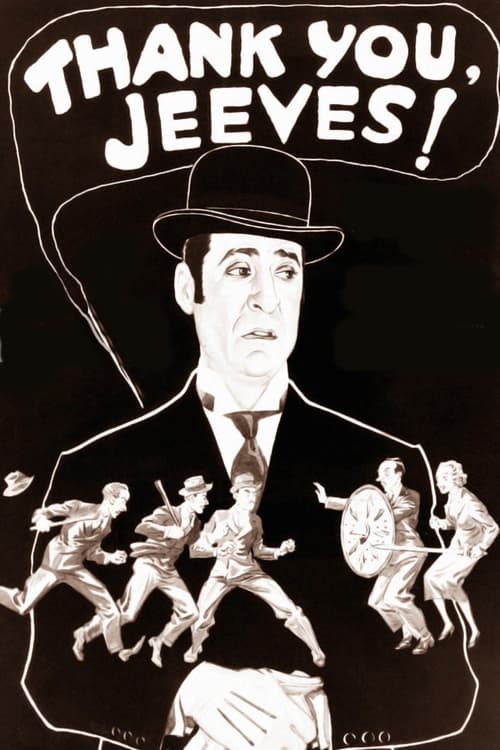
Thank You, Jeeves!
1936
No user ratings available yet
Representation score: 0.3 out of 10
Representation Score
Minimal
1944
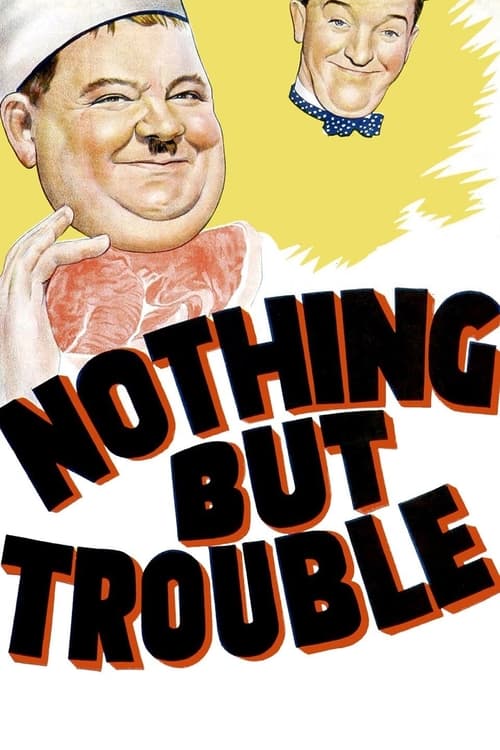
NRDirector
Sam Taylor
Runtime
69 minutes
Average Rating
No ratings yetNew Showbiz Analysis
Nothing But Trouble is a conventional mid-century comedy that upholds rather than challenges the social hierarchies of its era. The narrative centers on the comedic incompetence of servants catering to royalty, a premise that leans heavily into established class and gender clichés. The film lacks complexity in representing multiple aspects of identity, offering little in the way of challenging themes or diverse representation. It functions as a standard studio-era production, prioritizing situational slapstick over progressive social commentary.
Category Breakdown
The film does not include any LGBTQ+ characters or narratives that go beyond straight relationships. It follows the conventional comedic structures typical of 1944.
Gender roles in the film seem to rely on established period clichés. The portrayal of a flighty society matron suggests a stereotypical feminine archetype rather than a character with significant influence over the story.
The production likely reflects the homogeneous casting norms of the mid-1940s. There is no indication of a diverse cast or actors playing roles outside traditional expectations based on race.
The story operates within a traditional class hierarchy centered on royalty and servants. It uses social friction for situational comedy without questioning Western institutions.
There is no mention of characters with visible or invisible disabilities. Such elements are not used as plot devices or character traits in the film.
Present on Screen
Limited or Absent
Official Synopsis
Two bumbling servants are hired by a dizzy society matron to cook and serve a meal for visiting royalty.
1936
1940
1928

1946
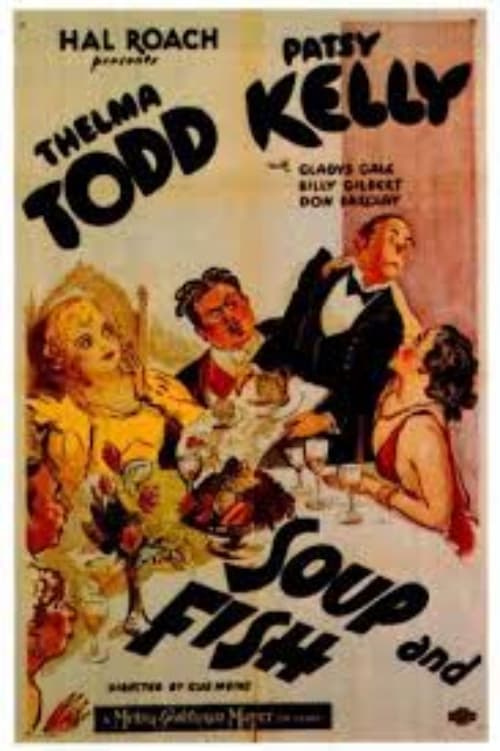
1934
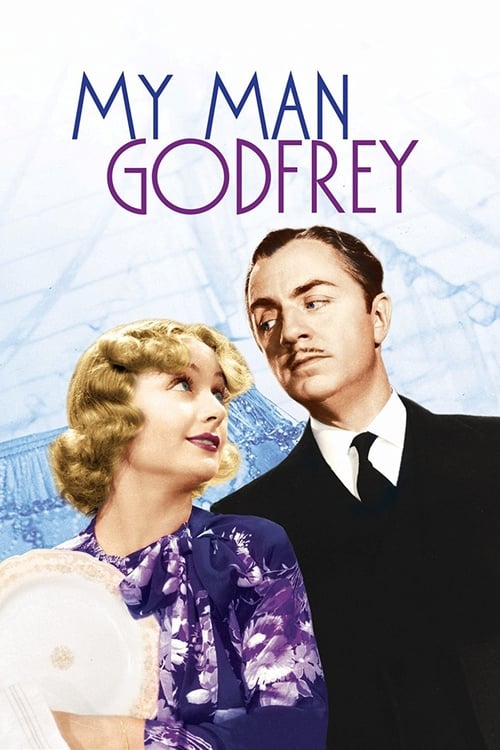
1936
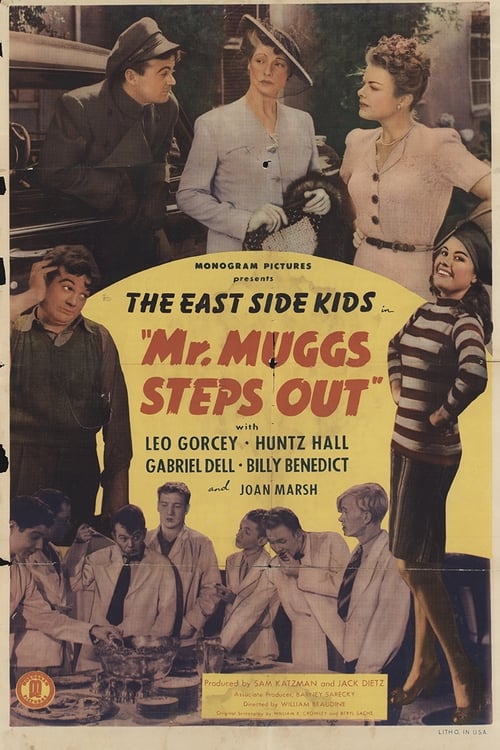
1943
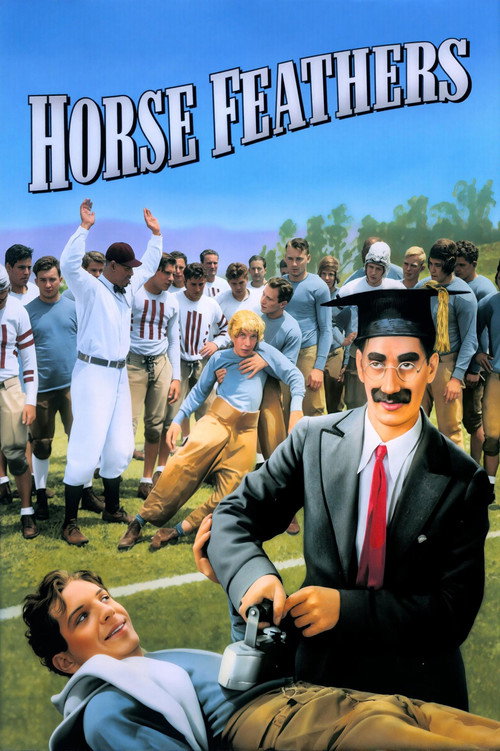
1932
No reviews yet. Be the first to share your thoughts on this movie!
Use the rating form above to leave a star rating and optional review.