The Spider and the Fly
1931
No user ratings available yet
Representation score: 0.8 out of 10
Representation Score
Minimal
1942
ApprovedDirector
Robert Clampett
Runtime
7 minutes
Average Rating
No ratings yetNew Showbiz Analysis
This 1942 short by Robert Clampett uses insect allegory to explore themes of attraction and social entrapment. While the animation is stylistically kinetic, the narrative remains firmly rooted in the homogeneous storytelling standards of its time. The film relies on biological archetypes to drive a comedic plot centered on romantic pursuit. It functions as a fable of courtship and predatory intervention rather than a vehicle for social disruption. Ultimately, the work lacks intentionality regarding the overlapping aspects of identity. It adheres to the traditional comedic frameworks and social hierarchies prevalent in early theatrical animation.
Category Breakdown
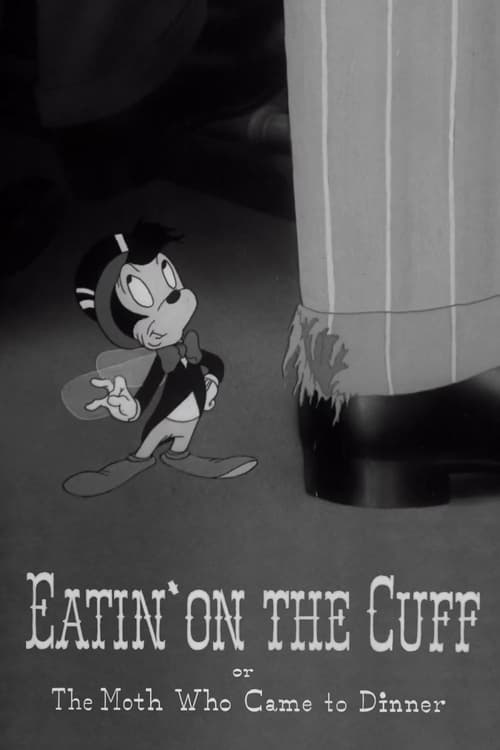
The story follows a relationship between a moth and a honey bee, both assumed to be heterosexual. There are no characters with non-cisgender identities or same-sex intimacy.
The characters rely on traditional archetypes, such as the male protagonist and a predatory 'femme fatale' spider. These roles reinforce mid-century gender stereotypes.
The cast consists entirely of anthropomorphic insects. There is no indication of human racial or ethnic diversity within the character descriptions.
The narrative adheres to conventional 1940s social mores regarding courtship. It follows a standard pursuit-and-predation structure typical of the era.
The film contains no characters with physical, sensory, or neurodivergent traits. There is no focus on disability representation.
Present on Screen
Limited or Absent
Official Synopsis
A live action piano player tells the story of a clothes-devouring moth who is on his way to marry a honey bee but gets caught by a black widow spider looking for a man of her own.
1931
1944
1942
1942
1935
1956
1948
1972
No reviews yet. Be the first to share your thoughts on this movie!
Use the rating form above to leave a star rating and optional review.