Pink Pest Control
1969
No user ratings available yet
Representation score: 0.3 out of 10
Representation Score
Minimal
1956
ApprovedDirector
Dave Tendlar
Runtime
6 minutes
Average Rating
No ratings yetNew Showbiz Analysis
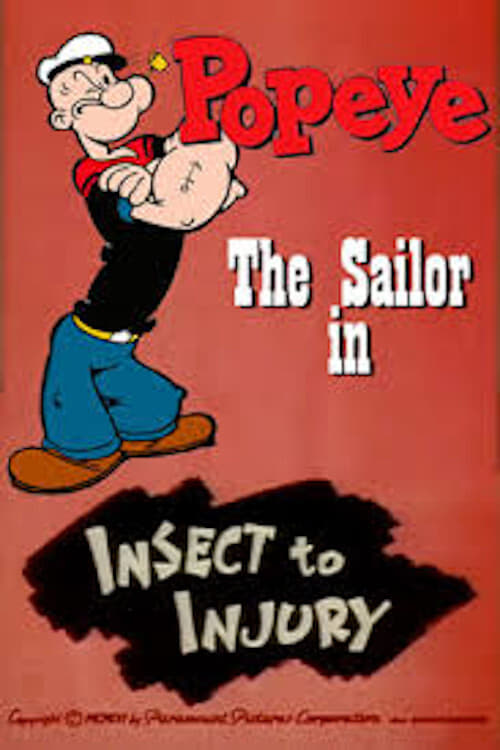
Insect to Injury is a traditional slapstick short that prioritizes physical comedy over social complexity. The narrative follows a straightforward conflict structure where Popeye defends his home from a termite infestation, offering little room for character depth or diverse themes. Since the film focuses on a singular protagonist and environmental antagonists, it lacks the breadth needed for meaningful representation of race, disability, or LGBTQ+ identities. The themes are rooted in conventional domesticity and property preservation. Ultimately, the work serves as a character-centric comedy that adheres to established mid-century clichés without challenging or expanding social perspectives.
Category Breakdown
The film does not include any representations of LGBTQ+ identities or same-sex relationships. The story focuses solely on the physical conflict between Popeye and termites.
The story centers on a traditionally masculine protagonist engaged in physical labor and property defense. There are no alternative or subverted portrayals of masculinity.
The film does not mention a diverse cast or non-Anglo-Saxon characters. The focus is limited to a single character and biological antagonists.
The plot reinforces traditional ideas of domesticity and the protection of private property. It aligns with conventional clichés of maintaining order against external threats.
There is no indication of characters with visible or invisible disabilities. The film lacks any representation of neurodivergent individuals.
Present on Screen
Limited or Absent
Official Synopsis
Popeye has just finished his house when a band of termites attacks.
1969
1969
1969
1954
1968

1951
1952
1958
No reviews yet. Be the first to share your thoughts on this movie!
Use the rating form above to leave a star rating and optional review.