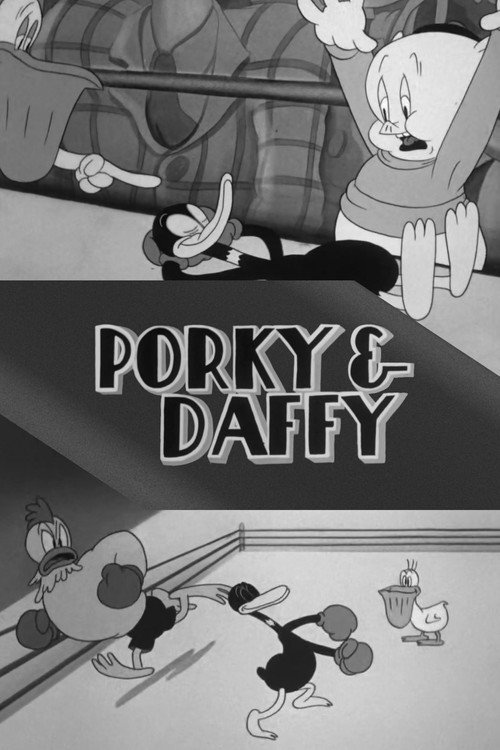
Porky & Daffy
1938
No user ratings available yet
Diversity score: 1.3 out of 10

1944
NRDirector
Robert Clampett
Runtime
8 minutes
Average Rating
No ratings yetSynopsis
At the Academy Awards ceremony, Bugs Bunny tries to convince the audience that he deserves the Oscar. Opens with live action scenes of Hollywood.
Overall Score
Minimal
Category Breakdown
LGBTQ+ Representation
The narrative focuses entirely on the competitive atmosphere of a Hollywood awards ceremony and Bugs Bunny's ambitions. No non-cisnormative gender identities or same-sex intimacy are depicted.
Gender Representation
The film utilizes standard mid-century character archetypes. The focus remains on a male protagonist and male celebrity figures, operating within established comedic tropes of the era.
Racial & Ethnic Diversity
The film depicts a largely homogeneous social environment through a 1940s red carpet aesthetic. It does not integrate diverse racial perspectives or non-white majority ensembles.
Religious & Cultural Diversity
The short functions as a satire of Western institutional prestige. It mocks the self-importance of Hollywood's elite through slapstick rather than systemic critique.
Disability Representation
There is no discernible representation of physical, sensory, or neurodivergent identities. Characters are driven by standard cartoon physics and comedic motivations.
Strengths
Areas for Improvement
AI Analysis
This short serves as a meta-commentary on the Hollywood awards circuit, centered on the pursuit of institutional recognition. While Bob Clampett’s kinetic and irreverent directorial style brings an anarchic energy to the animation, the content remains firmly rooted in the social norms of 1944. The film reinforces traditional hierarchies of the mid-century entertainment industry. It prioritizes individual merit and the prestige of the Oscar over any deconstruction of systemic power or the inclusion of marginalized identities. Ultimately, the work reflects the homogeneous cultural standards of its time, focusing on a narrow, conventional view of Hollywood stardom.
1938
1942
1945
1943
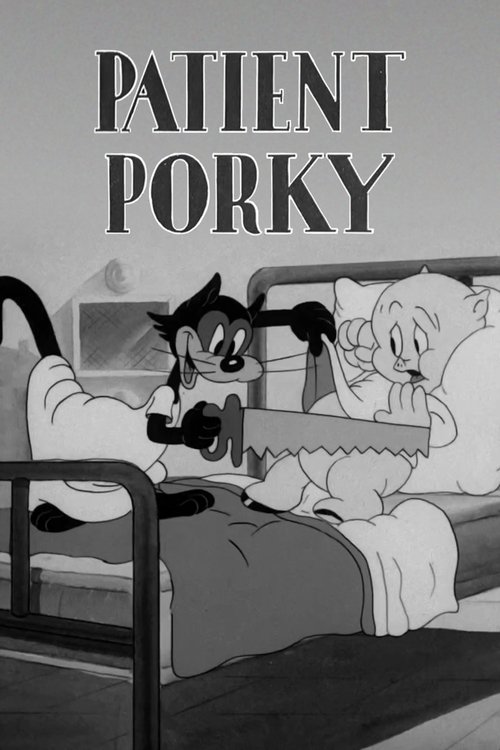
1940

1944
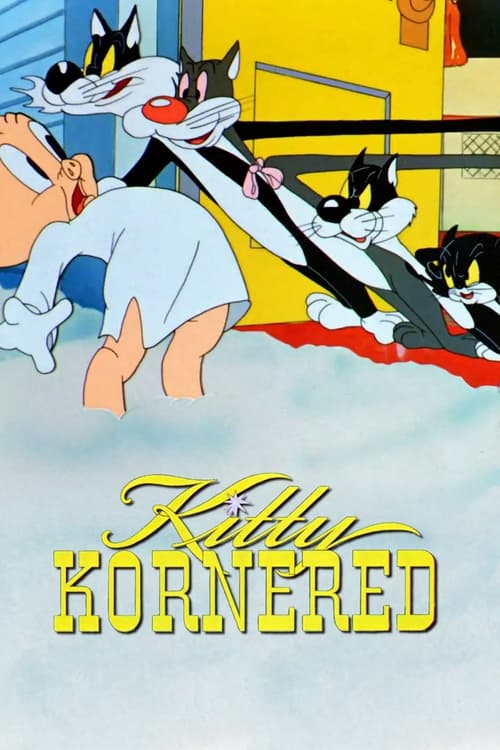
1946
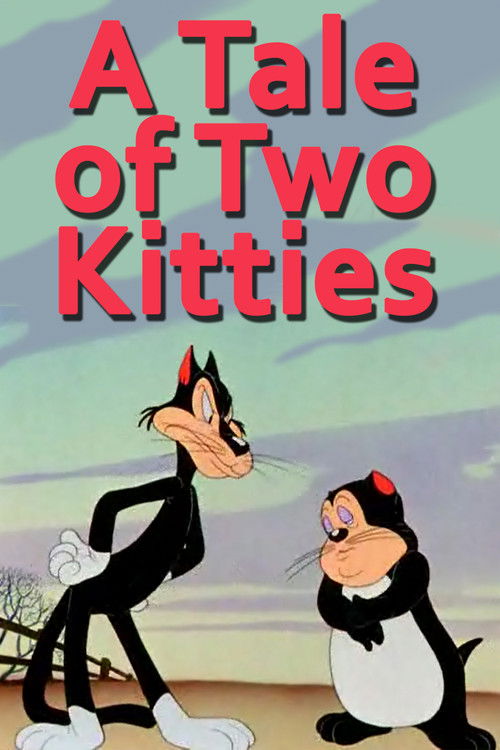
1942
1944
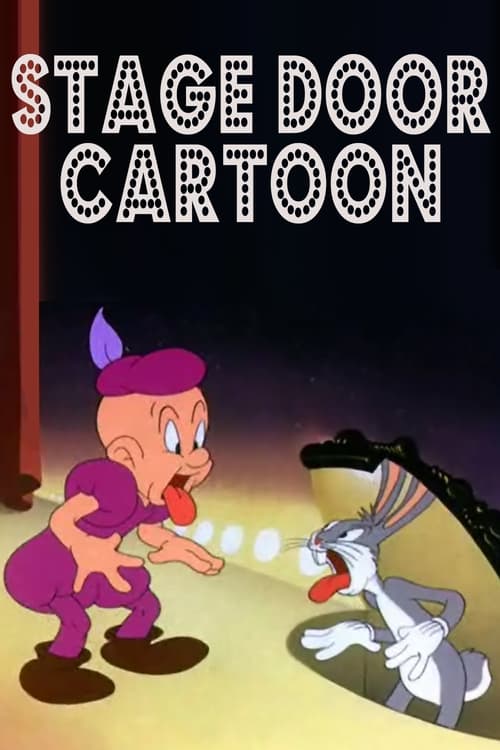
1944
1939
1957
No reviews yet. Be the first to share your thoughts on this movie!
Use the rating form above to leave a star rating and optional review.