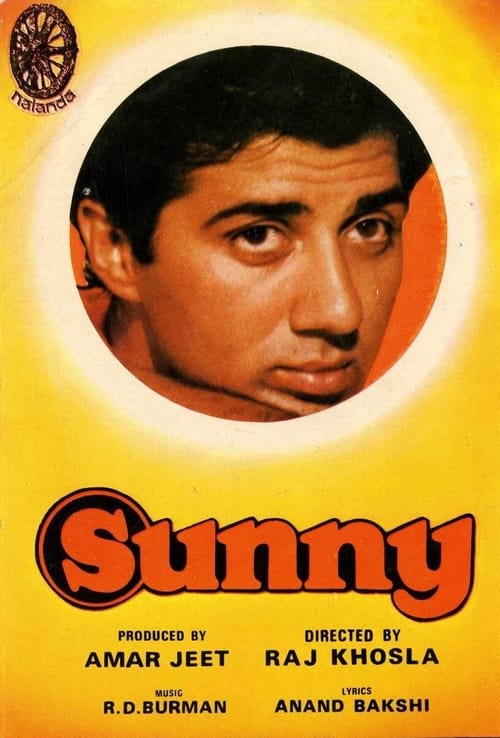
Sunny
1984
No user ratings available yet
Representation score: 5.0 out of 10

Representation Score
Minimal
1969
Not RatedDirector
Shakti Samanta
Runtime
169 minutes
Average Rating
No ratings yetNew Showbiz Analysis
Aradhana is a classic mid-century melodrama that prioritizes emotional resonance over systemic critique. It excels in cultural authenticity, providing a robust representation of Indian identity through its cast and setting. However, the film operates within rigid social hierarchies. The female protagonist's strength is framed through the lens of suffering and domesticity, reinforcing traditional gender roles rather than disrupting them. Ultimately, the film upholds conventional moral structures. It focuses on the preservation of social righteousness and familial continuity, offering little room for the deconstruction of identity-based power dynamics.
Category Breakdown
The film adheres to an assumption that everyone is straight or cisgender, offering no depiction of same-sex relationships or non-cisgender identities.
Vandana shows strength through her maternal sacrifice and dedication to her family. However, her role primarily supports traditional gender roles rather than challenging them.
The production features a predominantly Indian cast that provides culturally authentic representation. It avoids Western-centric casting clichés by focusing on local social strata.
The narrative reinforces traditional moral frameworks and social propriety. It emphasizes duty and the sanctity of marriage rather than challenging established institutions.
There are no prominent depictions of physical or neurodivergent disabilities that drive the character studies or central plot.
Present on Screen
Limited or Absent
Official Synopsis
Vandana's husband, Arun, gets killed in an air crash after they secretly get married but no one accepts their marriage. Thereafter, she is forced to put her child up for adoption and later work as his nanny to stay by his side.
1984

1953
1972

1964
1975
1983
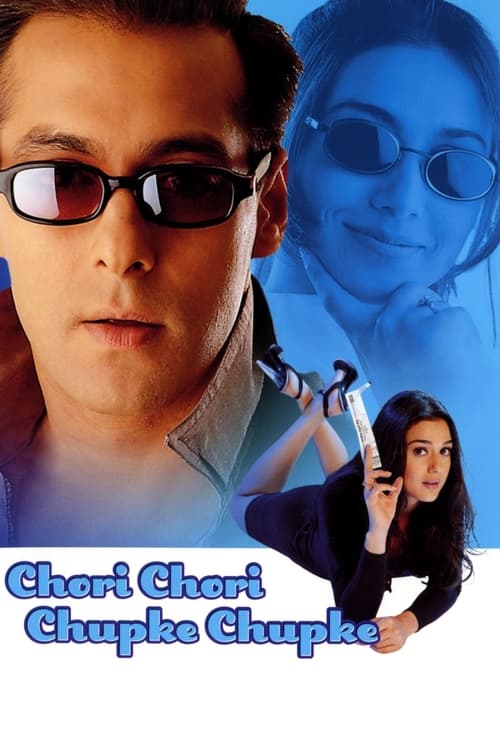
2001
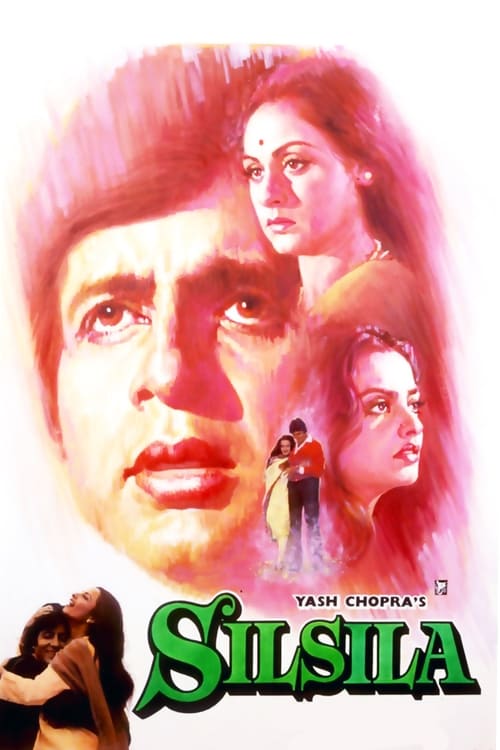
1981
No reviews yet. Be the first to share your thoughts on this movie!
Use the rating form above to leave a star rating and optional review.