
Aar Paar
1954
No user ratings available yet
Representation score: 4.2 out of 10
Representation Score
Minimal
1974
Director
Shakti Samanta
Runtime
139 minutes
Average Rating
No ratings yetNew Showbiz Analysis
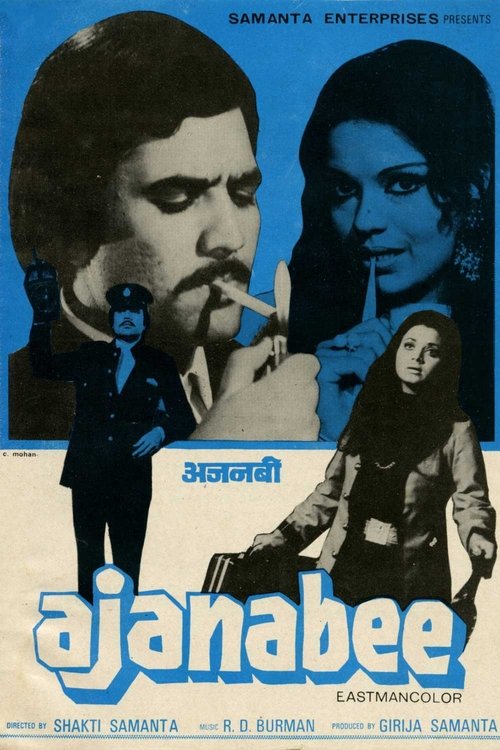
The film opens with a terrified young woman, Sonia, fleeing into a station master’s quarters, a framing device that immediately contrasts the film’s glittering reality with its gritty underbelly. But the camera quickly abandons her for the true subject: the effortless, aristocratic charm of Rajesh Khanna. Ajanabee sells a vision of 1974 Bombay where beauty is currency and class is destiny. The billed plot is a romance, but the sold meaning is a negotiation between two wealthy families where the woman’s value is confirmed only when the man chooses her. The film’s argument rests on the idea that love conquers all, provided the woman is willing to suffer for it. Reshmi, Zeenat Aman, is the moral center, yet her competence is limited to emotional endurance. She does not solve the plot through action; she solves it through waiting and weeping. Rohit, by contrast, is the unblemished hero whose "goodness" is conditional on her conforming to his timeline. The camera loves him, lingering on his dance moves, while her shots are reactive, always waiting for his attention. The contradiction lies in the film’s treatment of agency. Reshmi’s desire is framed as a problem to be solved by male attention. Her persistence is rewarded, but the power dynamic remains that he is the prize. The ending, a romantic reconciliation, treats the union of two wealthy, beautiful people as the highest good. It is a polished, entertaining masala musical that reinforces traditional hierarchies while dressing them in the glamour of the era.
Category Breakdown
No queer characters or themes appear. The narrative relies on a strictly heterosexual romance between Rohit and Reshmi, with no on-screen discussion of identity.
Reshmi’s beauty and wealth drive the plot, yet her agency is framed as stubbornness until Rohit validates her. The ending rewards her persistence, but the camera treats Rohit as the prize she must secure.
The cast is entirely South Asian, reflecting the film’s specific cultural context. No racial hierarchy is depicted, but the unmarked majority is treated as the default standard for competence and beauty.
Traditional family approval and class status are treated as the primary obstacles and ultimate rewards. The wealthy Diwan’s consent legitimizes the union, positioning social hierarchy and earned wealth as the moral foundation.
Absent. No characters with disabilities appear, and the leads’ idealized, able-bodied physiques are the only physical traits highlighted by the camera.
Present on Screen
Limited or Absent
Official Synopsis
Middle-classed young and dashing Rohit Kumar Saxena falls in love with wealthy and lovely Reshmi, and both decide to get married. Reshmi's dad, the wealthy Diwan Sardarilal is strongly opposed to this marriage, but relents when Reshmi refuses to marry anyone else. As a result, Rohit and Reshmi get married. Shortly after their marriage, Reshmi gets pregnant, news that is very well received. Then Reshmi enters a beauty pageant, and wins it - being crowned Miss India, with offers to travel abroad. Reshmi decides that she does not want the child now, but Rohit opposes this decision. Both quarrel, and separate, and Reshmi goes back to live with her dad. Shortly thereafter, Sardarilal sends a legal notice to Rohit asking for a divorce. Devastated, Rohit seeks employment, and finds it as a station master at a remote hill station. He meets with Reshmi and her dad, and is humiliated because he is poor.
1954

1989

1969
1983
1982

1973

1964
1995
No reviews yet. Be the first to share your thoughts on this movie!
Use the rating form above to leave a star rating and optional review.