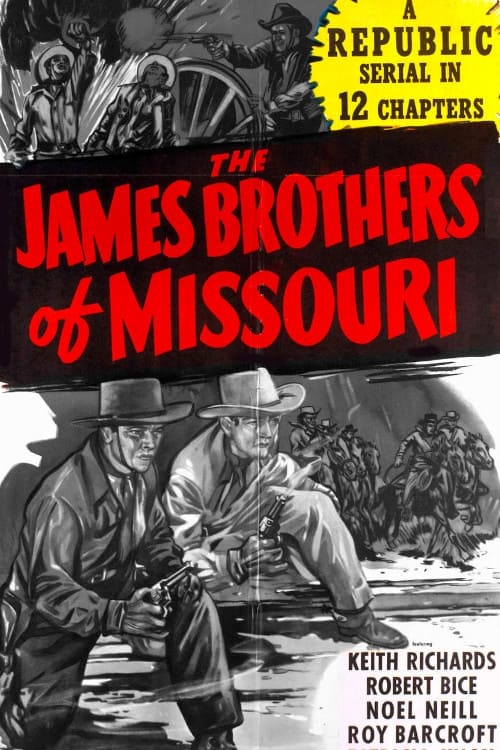
The James Brothers of Missouri
1949
No user ratings available yet
Diversity score: 2.1 out of 10

1963
Director
Jürgen Roland
Runtime
101 minutes
Average Rating
No ratings yetSynopsis
European produced Western based on the novel by Friedrich Gerstäcker, set in the 19th century in a town on the banks of the Mississippi River. The area is plagued by a gang of pirates under the leadership of Captain Kelly, who live on an island in the river, from where they operate raids on passing steamboats and traders rafts, robbing them of their cargo and murdering the crews. Townspeople and settlers do their best to put an end to the crimes and rid themselves of the pirates and their daring leader.
Overall Score
Limited
Category Breakdown
LGBTQ+ Representation
The film contains no LGBTQ+ characters or non-heteronormative identities. It operates strictly within the conventional social frameworks of the 1960s.
Gender Representation
Character agency is concentrated among male protagonists and antagonists. Women occupy domestic or reactive roles rather than driving the central conflict.
Racial & Ethnic Diversity
The cast is predominantly white, mirroring the settler-colonial themes of the era. There is no evidence of non-white characters with significant agency.
Religious & Cultural Diversity
The story follows a traditional adventure arc centered on lawlessness versus order. It adheres to standard Western tropes without critiquing institutions.
Disability Representation
There are no characters with visible or invisible disabilities. The narrative does not engage with physical or neurodivergent impairments.
Strengths
Areas for Improvement
AI Analysis
The Pirates of the Mississippi is a traditional 1960s European Western that prioritizes genre-standard adventure tropes over social complexity. The narrative reinforces the demographic and social hierarchies of its era, focusing on a male-dominated struggle for control over the Mississippi waterway. While the film successfully establishes a clear conflict between pirates and settlers, it lacks intersectional depth. The storytelling relies on established archetypes that do not challenge the status quo regarding race, gender, or identity. Ultimately, the film serves as a period-typical genre piece. It lacks the intentional subversion of systemic power dynamics or the inclusion of diverse identities necessary for a modern progressive score.
1949

1971

1960
1947
1936
1932
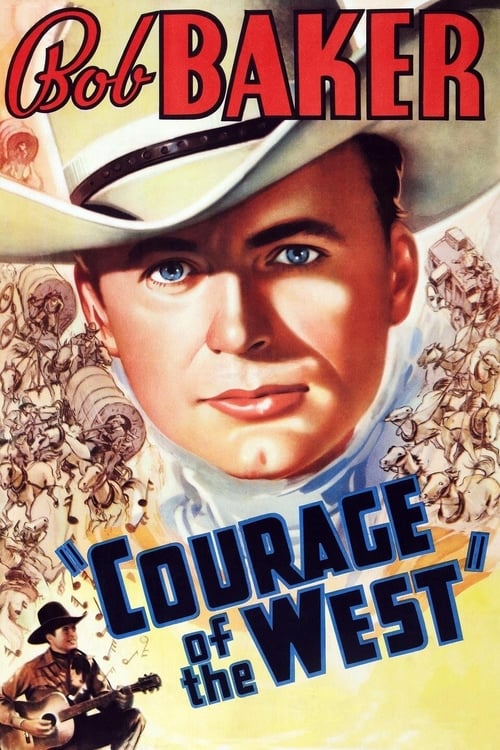
1937
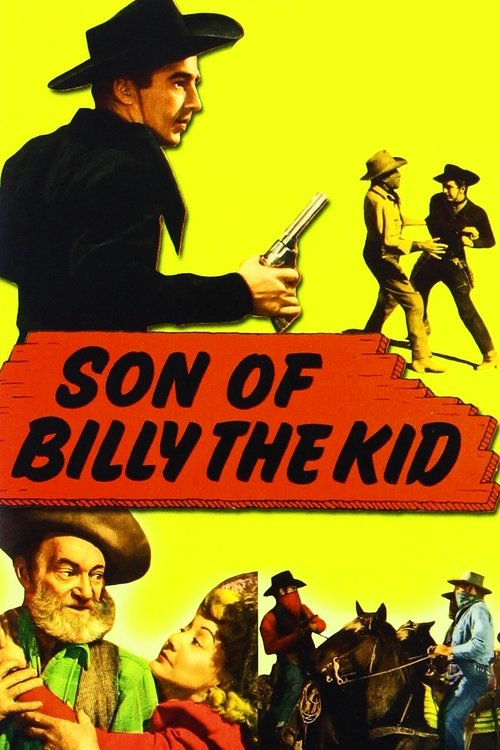
1949
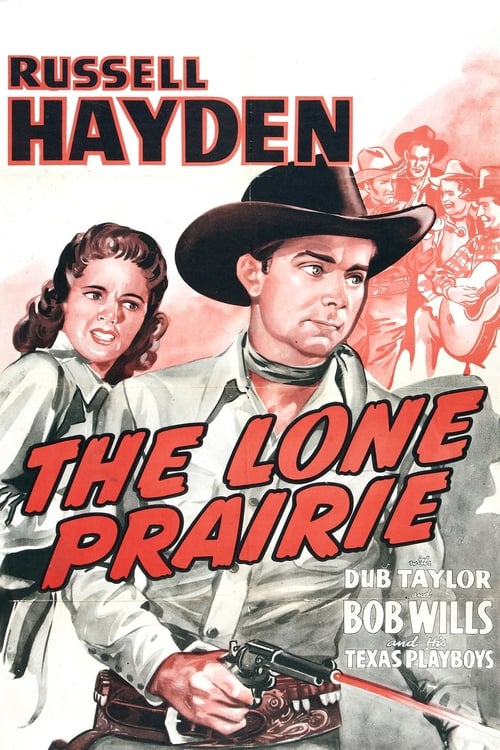
1942
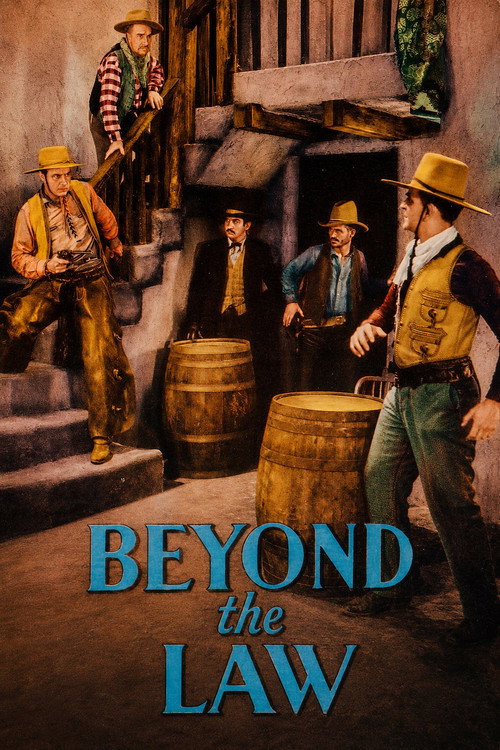
1930
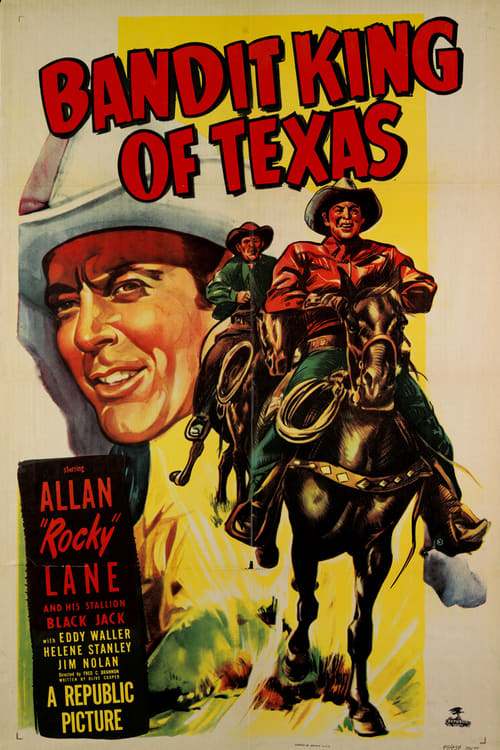
1949
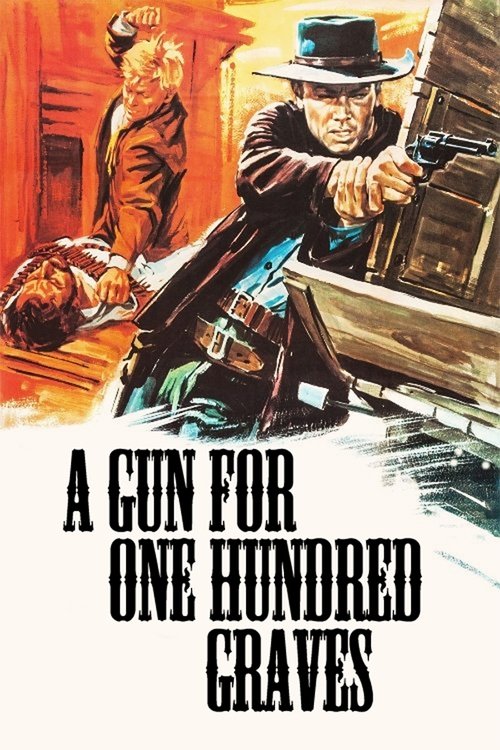
1968
No reviews yet. Be the first to share your thoughts on this movie!
Use the rating form above to leave a star rating and optional review.