Looker
1981
No user ratings available yet
Representation score: 4.3 out of 10
Representation Score
Limited
1984
PG-13Director
Michael Crichton
Runtime
100 minutes
Average Rating
No ratings yetNew Showbiz Analysis
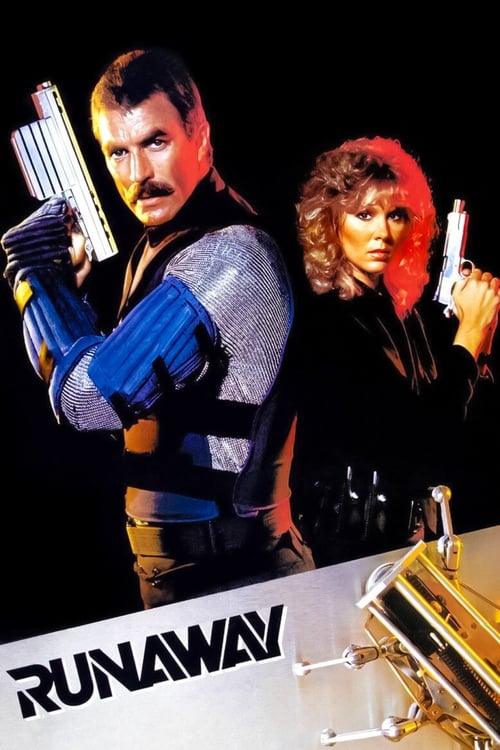
Runaway is a quintessential piece of 1980s techno-paranoia that emphasizes the philosophical tension between human intellect and autonomous systems. The narrative structure revolves around a man-versus-machine conflict, which overlooks social and identity-based dimensions. While the film provides a compelling critique of capitalist-driven technological advancement, it does so through a narrow demographic lens. The story lacks intentionality in diversifying its cast or challenging established social norms. Ultimately, the film serves as a cautionary tale about the loss of human control, but it fails to offer meaningful representation across most diversity categories.
Category Breakdown
The film adheres to traditional assumptions where everyone is assumed to be straight or cisgender. There are no hints of queer relationships or non-traditional gender identities among the characters.
Gender roles follow typical 1980s genre conventions. A female character plays a crucial role, but the male protagonist retains the majority of the narrative's driving force.
The cast and setting reflect a predominantly uniform demographic. The film lacks diverse ethnic representation, particularly in roles that have significant influence or multicultural viewpoints.
The narrative criticizes over-reliance on technology and predatory corporate automation. It focuses on individual survival against mechanical autonomy rather than broader societal issues.
Characters are portrayed as physically capable without disabilities. There is no significant focus on neurodivergence, physical disabilities, or chronic illnesses.
Present on Screen
Limited or Absent
Official Synopsis
In the near future, a police officer specializes in malfunctioning robots. When a robot turns out to have been programmed to kill, he begins to uncover a homicidal plot to create killer robots... and his son becomes a target.
1981
1995

1991
1970

2014
1989
1987
1973
No reviews yet. Be the first to share your thoughts on this movie!
Use the rating form above to leave a star rating and optional review.