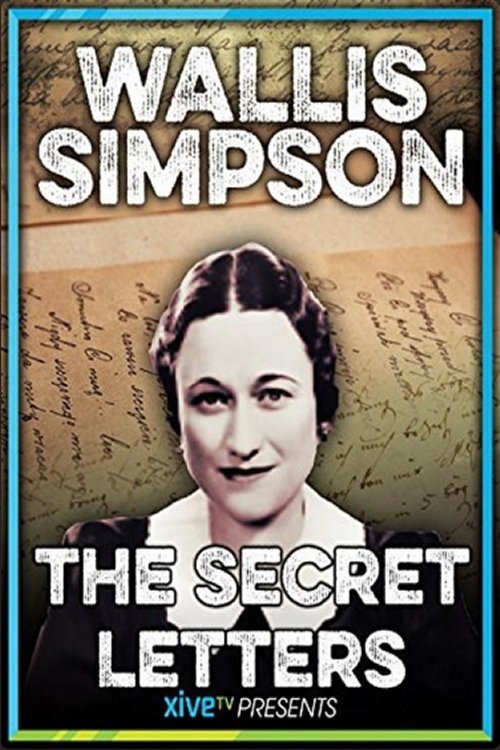
Wallis Simpson: The Secret Letters
2011
No user ratings available yet
Representation score: 4.5 out of 10

Representation Score
Limited
2016
Director
Renny Bartlett
Runtime
59 minutes
Average Rating
No ratings yetNew Showbiz Analysis
The film functions as a character study of historical power, highlighting the strength in subverting gendered expectations. By focusing on the political maneuvers of Elizabeth I and Mary, Queen of Scots, it places women's ability to drive the story at the forefront of the historical record. However, the work remains rooted in a traditional Western framework. It lacks the breadth needed to address systemic hierarchies, focusing instead on individual rivalry and the specific demographics of the 16th-century courts. Ultimately, while the film offers a compelling look at female leadership, it does not actively engage with broader social or cultural critiques.
Category Breakdown
The film examines the intense, obsessive relationship between two women, focusing more on political motives than on explicit LGBTQ+ identity or queer-coded dialogue.
The narrative challenges traditional hierarchies by emphasizing the authority and intellect of women. It portrays the monarchs as key drivers of history rather than passive subjects.
The setting is rooted in a specific Anglo-European historical context. It adheres to the era's demographics without employing diverse casting to challenge the homogeneity of the time.
The film highlights the tension between Catholic and Protestant factions. It focuses on the psychological complexity of individuals rather than a systemic critique of religious institutions.
There is no indication of the depiction of physical or neurodivergent disabilities in this historical portrayal.
Present on Screen
Limited or Absent
Official Synopsis
A dramatisation based on the exchange of letters between Mary Queen of Scots and her cousin Elizabeth I, detailing the hatred and obsession in their bitter rivalry. Expert historians examine and interpret the royals' motives for the animosity that lasted more than two decades, and which threatened to tear apart the reigning monarch and her kingdom.
2011
1986
2017
1969
2013
2024

2022
2017
No reviews yet. Be the first to share your thoughts on this movie!
Use the rating form above to leave a star rating and optional review.