The King Who Fooled Hitler
2019
No user ratings available yet
Diversity score: 2.3 out of 10
2013
PG-13Director
Giulia Clark, Stuart Elliott
Runtime
59 minutes
Average Rating
No ratings yetSynopsis
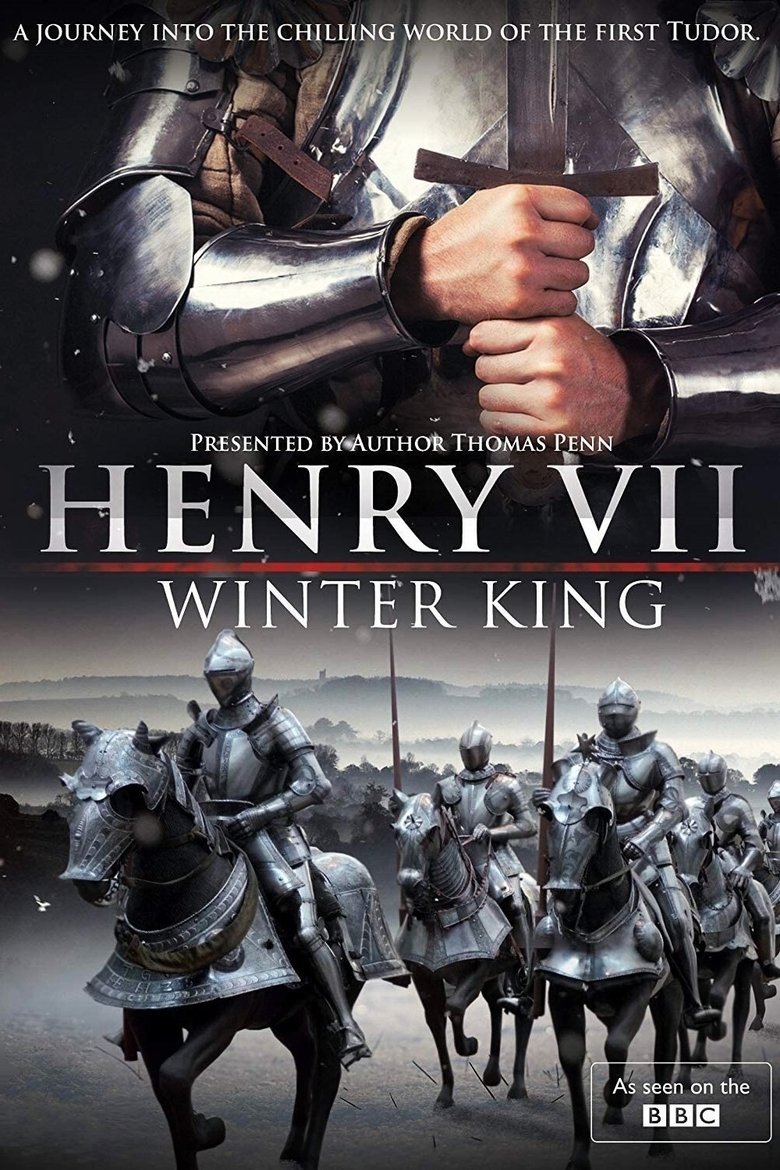
Historian Thomas Penn reveals the secrets of founder of Britain’s great Tudor Dynasty - and his amazing trajectory to power. Two weeks after landing on the shores Wales in 1485 with a small band of mercenaries, Henry of Richmond defeats the notorious Richard III at the Battle of Bosworth. He is crowned Henry VII and then begins a career of realpolitik, a charming exterior making a savage ambition. The War of the Roses, his wife Elizabeth of York, and the beginning of the Renaissance are all part of this incredible history, as are Henry’s obsessions with money and astonishing spy network.
Overall Score
Limited
Category Breakdown
LGBTQ+ Representation
The film focuses strictly on the 15th-century political landscape. It contains no LGBTQ+ characters or narratives addressing non-heteronormative identities.
Gender Representation
While Elizabeth of York is central to legitimizing the Tudor line, the narrative prioritizes masculine agency. Women function primarily as instruments of political consolidation rather than independent drivers.
Racial & Ethnic Diversity
The subjects reflect the demographic realities of 15th-century Britain. The documentary adheres to the era's documented social constraints without seeking to diversify the historical period.
Religious & Cultural Diversity
The film disrupts romanticized views of kingship by focusing on systemic pragmatism. It highlights economic control and surveillance over traditional chivalric or divine-right ideals.
Disability Representation
There is no discernible information regarding the depiction of physical or neurodivergent disabilities within this historical study.
Strengths
Areas for Improvement
AI Analysis
This documentary prioritizes political realism and the mechanics of statecraft over social representation. It succeeds in deconstructing the heroic mythos of the monarchy, replacing romanticism with a sophisticated analysis of institutional growth. The narrative centers on Henry VII’s transition from a mercenary leader to a centralized ruler. It emphasizes realpolitik, economic obsession, and intelligence gathering rather than modern intersectional diversity. Ultimately, the film serves as a specialized study of power and systemic survival, remaining tethered to the specific demographic and social constraints of the late Middle Ages.
2019
2017
2017

2010
2018

2012
2012
2018
1993
2016
1962
2012
No reviews yet. Be the first to share your thoughts on this movie!
Use the rating form above to leave a star rating and optional review.