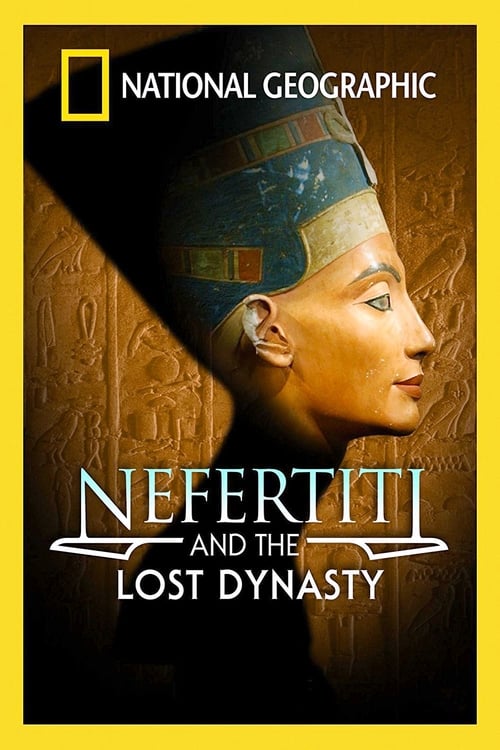
Nefertiti and the Lost Dynasty
2007
No user ratings available yet
Representation score: 4.4 out of 10

Representation Score
Good
2014
PG-13Director
Ian A. Hunt
Runtime
60 minutes
Average Rating
No ratings yetNew Showbiz Analysis
Egypt's Lost Queens offers a new perspective on history by centering the ability to act of female rulers. It challenges the traditional 'great man' theory by highlighting the influence of women. The documentary reframes history through a non-Western lens, providing a diverse view of ancient Egypt. However, it lacks representation for LGBTQ+ identities and individuals with disabilities.
Category Breakdown
The documentary does not include explicit depictions of same-sex relationships or gender non-conformity. Instead, it focuses on the social constraints of the ancient era.
The film centers on female rulers, highlighting their significant influence and positioning them as key drivers of political and social change. It disrupts traditional patriarchal narratives by emphasizing their roles.
By focusing on North African heritage, the film challenges Eurocentric views of history. It highlights the power structures of non-Western societies.
The documentary emphasizes unique Egyptian social hierarchies, working to reclaim lost or suppressed cultural identities through a revisionist lens.
There is no evidence regarding the portrayal of individuals with physical or neurodivergent disabilities within the film.
Present on Screen
Limited or Absent
Official Synopsis
Professor Joann Fletcher explores what it was like to be a woman of power in ancient Egypt. Through a wealth of spectacular buildings, personal artefacts and amazing tombs, Joann brings to life four of ancient Egypt's most powerful female rulers and discovers the remarkable influence wielded by women, whose power and freedom was unique in the ancient world. Throughout Egypt's history, women held the title of pharaoh no fewer than 15 times, and many other women played key roles in running the state and shaping every aspect of life. Joann Fletcher puts these influential women back at the heart of our understanding, revealing the other half of ancient Egypt.
2007
2020
2003

2024
2007
2019
2020
2011
No reviews yet. Be the first to share your thoughts on this movie!
Use the rating form above to leave a star rating and optional review.