
The Princess
2022
No user ratings available yet
Representation score: 7.0 out of 10
Representation Score
Fair
2011
PG-13Director
David Barrie
Runtime
51 minutes
Average Rating
No ratings yetNew Showbiz Analysis
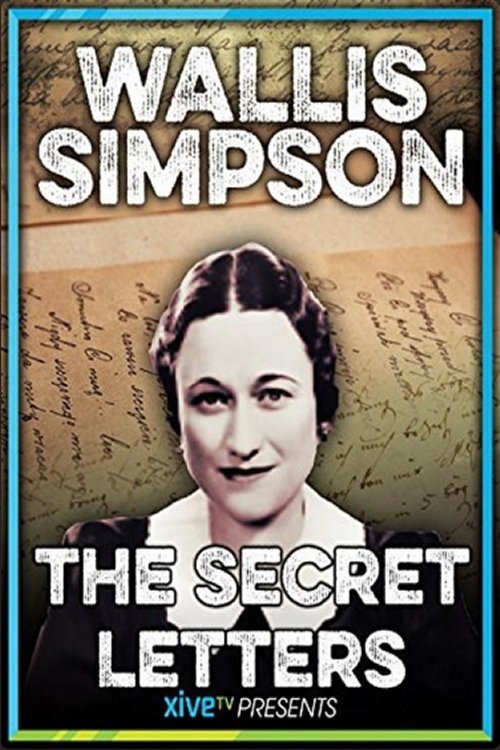
Wallis Simpson: The Secret Letters functions as a revisionist historical study that prioritizes individual ability to act over systemic traditions. It shifts the focus from patriarchal royal power to the internal, emotional life of a woman navigating systemic constraints. While the film offers a critique of established Western institutions, it lacks breadth in other areas. The narrative architecture is heavily rooted in a homogeneous, Anglo-Saxon social class, offering little in the way of racial or ethnic diversity. Ultimately, the documentary's strength lies in its subversion of gender hierarchies rather than its inclusivity of diverse identities. It provides a more personal, subjective view of history through the lens of private correspondence.
Category Breakdown
The film explores unconventional romantic dynamics that challenge social expectations. However, it doesn't explicitly address non-cisgender identities or queer themes.
The documentary centers Simpson's emotional ability to act, subverting the passive consort cliché. It reframes a political crisis as a woman's personal struggle for autonomy.
The narrative focuses on the homogeneous white socialite class of mid-20th-century British aristocracy, lacking racial or ethnic diversity.
The film critiques the oppressive nature of traditional social orders and the Monarchy. It prioritizes private emotional truths over official state history.
There is no mention of characters or subjects navigating physical or neurodivergent disabilities.
Present on Screen
Limited or Absent
Official Synopsis
This film examines recently discovered letters written by socialite Wallis Simpson that reveal her secret love, and chart her fear as she found herself becoming trapped into marrying King Edward VIII.
2022
2017

2016

2012
2017
1997
2018

2011
No reviews yet. Be the first to share your thoughts on this movie!
Use the rating form above to leave a star rating and optional review.