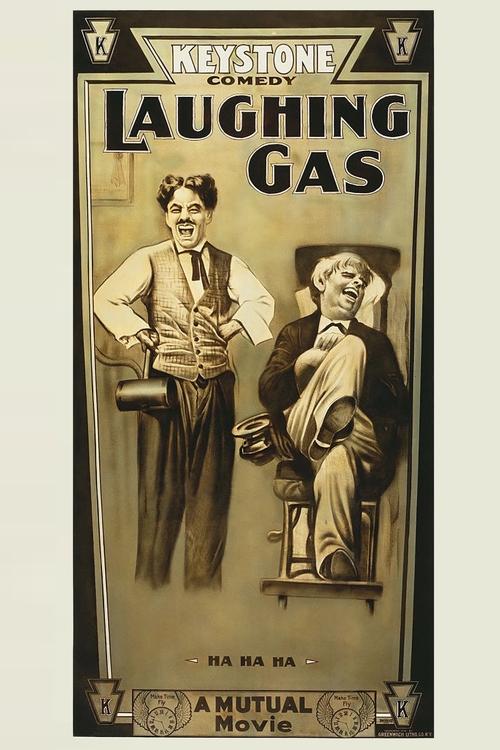
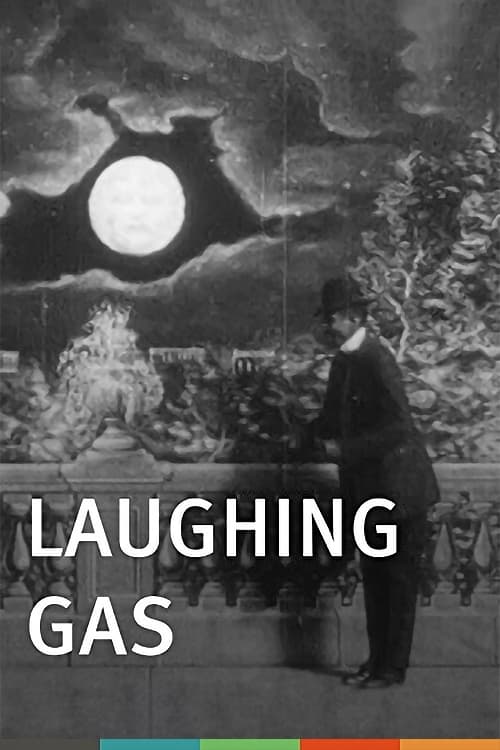
Laughing Gas
1914
No user ratings available yet
Representation score: 1.6 out of 10
Representation Score
Limited
1907
Director
Edwin S. Porter, J. Searle Dawley
Runtime
8 minutes
Average Rating
No ratings yetNew Showbiz Analysis
Laughing Gas is a product of its era, prioritizing physical humor over social commentary. The narrative centers on a woman's uncontrollable laughter, rather than exploring complex identity or systemic power dynamics. While the film features a female protagonist, her role is undermined by her physiological state. The comedy relies on her loss of control, limiting the depth of gender representation. Ultimately, the film lacks the intentionality needed to challenge social hierarchies. It remains a period-specific exercise in physical comedy that reflects the homogeneous social norms of the early 20th century.
Category Breakdown
The film does not include any characters with non-straight or non-cisgender identities. It focuses on physical humor without exploring queer identities.
A female character drives the plot, but her role is defined by physical vulnerability and a loss of bodily control. her ability to act is limited by her physiological state.
The film likely reflects the homogeneous social structures of 1907. There is no indication of diverse casting or the disruption of racial norms.
The story depicts typical urban social interactions in a Western city. It functions as a lighthearted comedy of manners without critiquing cultural norms.
The laughter is used as a temporary comedic device. It serves as a plot mechanism rather than a nuanced portrayal of chronic conditions or neurodivergence.
Present on Screen
Limited or Absent
Official Synopsis
A woman goes to the dentist for a toothache and is given gas. On her way home on the subway she can't stop laughing, and every other passenger catches the laughter from her.
1914
1928
1907
1909
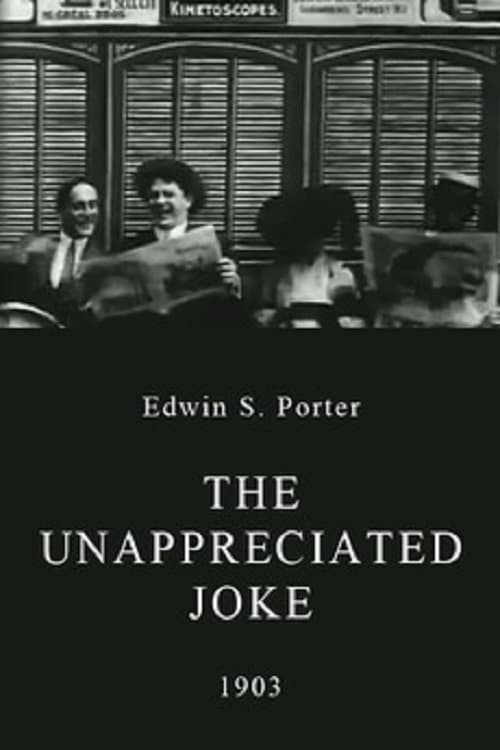
1903
1906
1907
1900
No reviews yet. Be the first to share your thoughts on this movie!
Use the rating form above to leave a star rating and optional review.