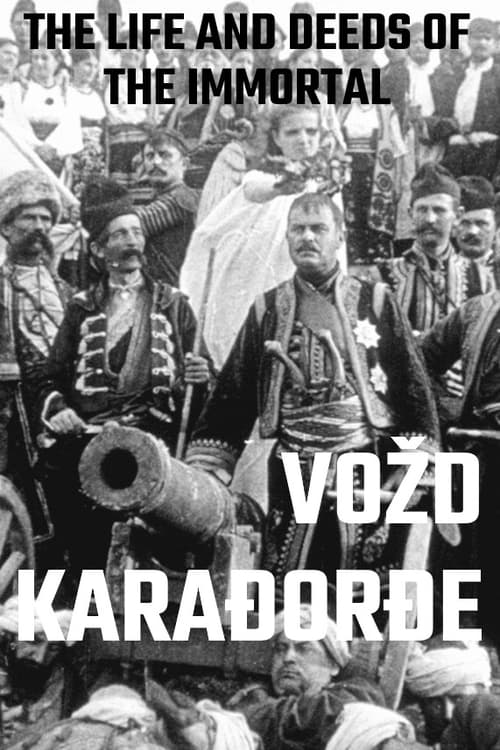
The Life and Deeds of the Immortal Vožd Karađorđe
1911
No user ratings available yet
Representation score: 2.4 out of 10
Representation Score
Limited
1981
Director
Ludmil Staikov
Runtime
95 minutes
Average Rating
No ratings yetNew Showbiz Analysis
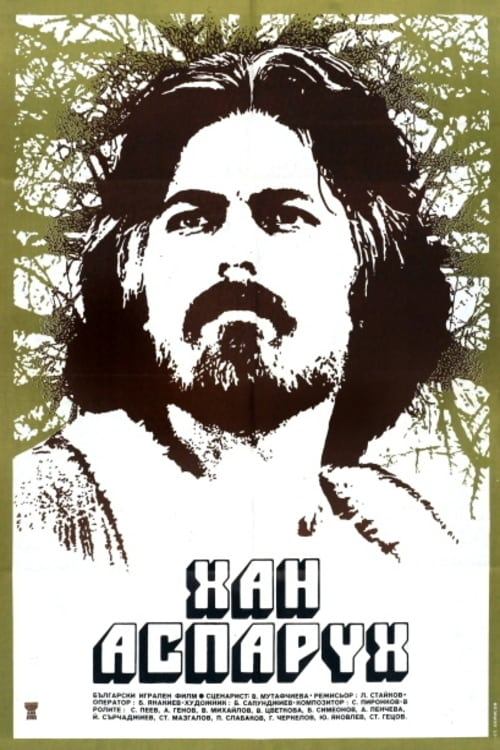
This historical epic succeeds by shifting the lens away from Mediterranean-centric history. By centering the migration and state-building of the Bulgarian tribes, it offers a rare perspective on non-Byzantine power dynamics. However, the film remains deeply traditional in its social hierarchies. The focus on patriarchal lineage and warrior culture limits the scope of gender representation and lacks contemporary social diversity.
Category Breakdown
The film adheres to the traditional social structures of the 7th century. There are no visible LGBTQ+ characters or narratives present.
Male leadership and warrior roles dominate the narrative. The story centers on the patriarchal lineage of Khan Kubrat and his son, Asparuh.
The film disrupts standard Greco-Roman centric narratives by centering Bulgarian tribes. It provides a nuanced look at ethnic identity through the Bulgars' struggle against the Khazars.
The story prioritizes Bulgarian sovereignty over the established Byzantine order. It frames the Bulgars as a people seeking autonomy rather than imperial subjects.
There is no mention of characters with visible or invisible disabilities within the narrative.
Present on Screen
Limited or Absent
Official Synopsis
This is an epic screen presentation showing the creation, the consolidation and the power of First Bulgarian Kingdom and the first Bulgarian ruler Khan Asparuh. This is the first part of the film trilogy about the events before the creation of the Bulgarian state in the middle of the VII century. Volga Bulgaria is straining under the attacks of the Khazars. Following the testament of his father, the sons of Khan Kubrat looking for a new home for their tribes. The youngest of them - Asparukh, wander 20 years in search of "land forever" for his people and reaches the mouth of the Danube. The film is narrated by captured Byzantine chronicler Belisarius, which should Asparukh in his journeys. Byzantine witnessed the heroic efforts of the Bulgarians to win the land south of the Danube and to create their new country.
1911
1938
1973

1944

1989

1954
1975
2007
No reviews yet. Be the first to share your thoughts on this movie!
Use the rating form above to leave a star rating and optional review.