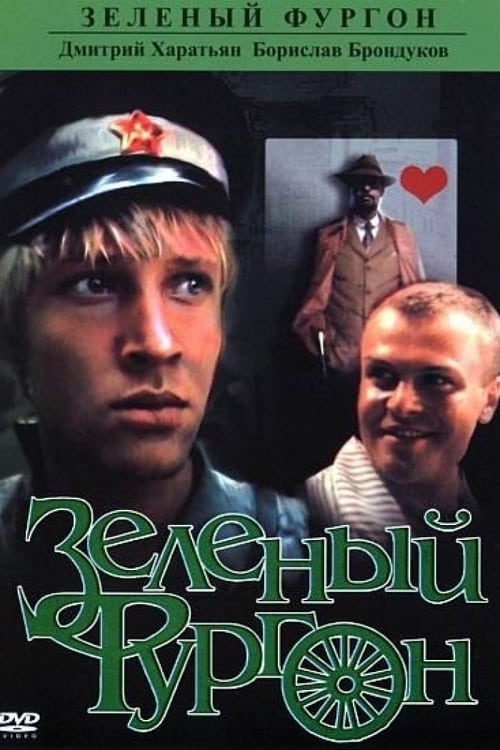
The Green Van
1983
No user ratings available yet
Representation score: 3.4 out of 10
Representation Score
Fair
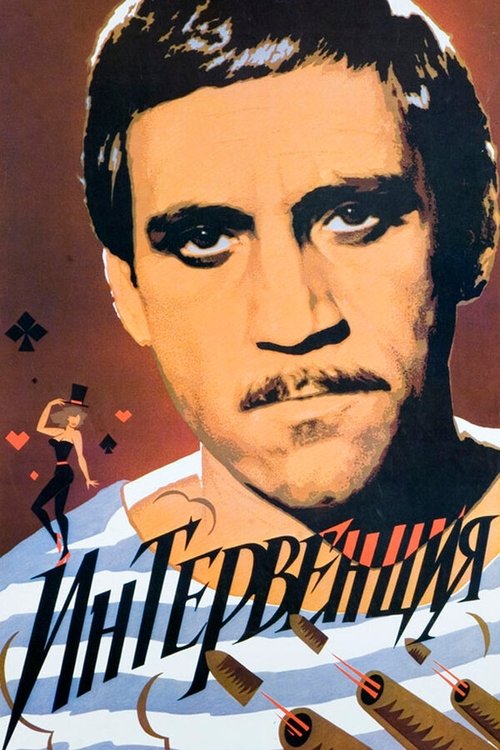
1968
Director
Gennadi Poloka
Runtime
102 minutes
Average Rating
No ratings yetNew Showbiz Analysis
Intervention is a historical drama that emphasizes political and class-based conflicts over identity-focused representation. The film uses the backdrop of a foreign intervention in Soviet Russia to explore the tension between revolutionary ideology and bourgeois stability. While the film provides a strong systemic critique of institutional authority, it lacks explicit markers reflecting diverse personal identities. The narrative focus remains on broad political and social class dynamics rather than individual identity issues. Overall, the work serves as a commentary on power structures but falls short in terms of visible representation in gender, race, or orientation, resulting in a moderate diversity profile.
Category Breakdown
The film doesn't include any explicit references to non-straight or non-cisgender identities or same-sex relationships. The story centers on political and class-based conflicts of the time.
A wealthy woman is portrayed, indicating a shift away from purely patriarchal family dynamics. However, the narrative stays within traditional class structures.
The setting highlights tensions between local populations and foreign actors during a period of intervention. However, there are no specific details about diverse casting or changing racial roles.
The story delves deeply into systemic critiques by focusing on a Bolshevik fugitive. It examines class struggles and challenges the authority of foreign institutions through its historical context.
There are no characters with visible or invisible disabilities in the narrative.
Present on Screen
Limited or Absent
Official Synopsis
The movie is set during the last days of a foreign intervention against Soviet Russia. Police are searching everywhere for a Bolshevik named Brodsky but cannot find him. Meanwhile, a man named Michel Voronov serves as a teacher to a rich woman's son, Zhen'ka.
1983
1971
1968
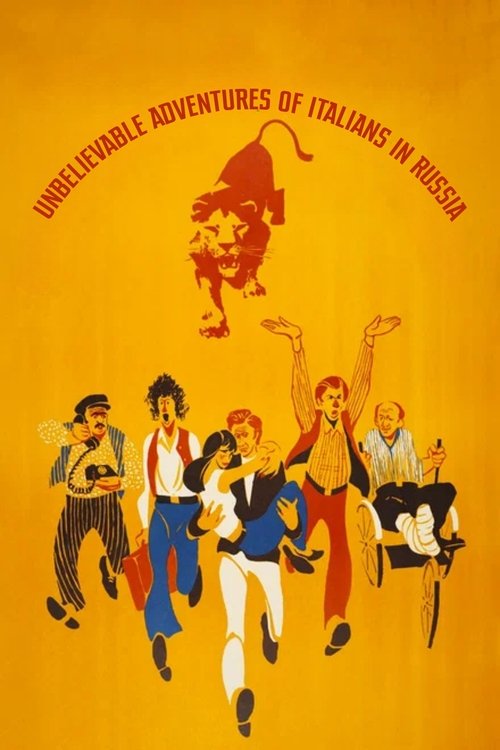
1974
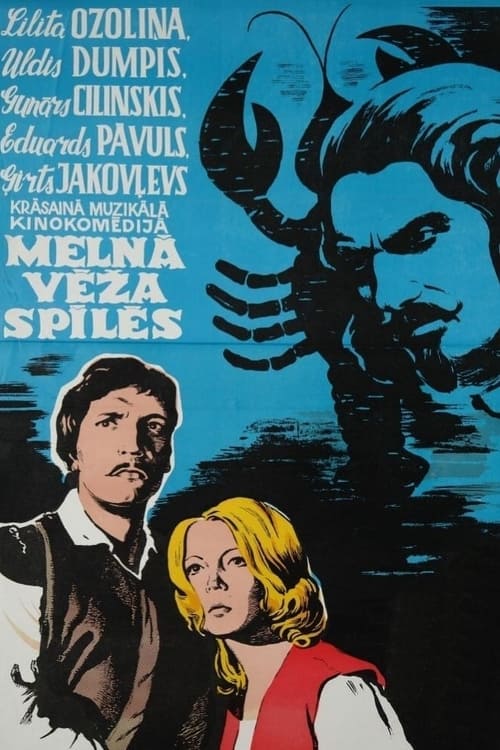
1976
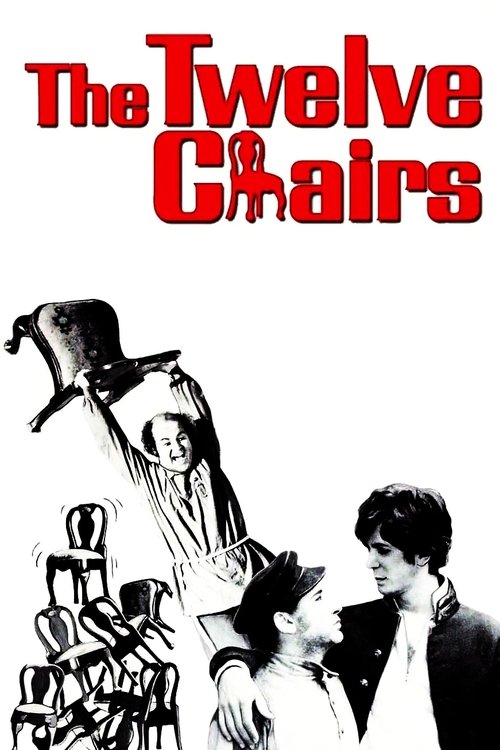
1970
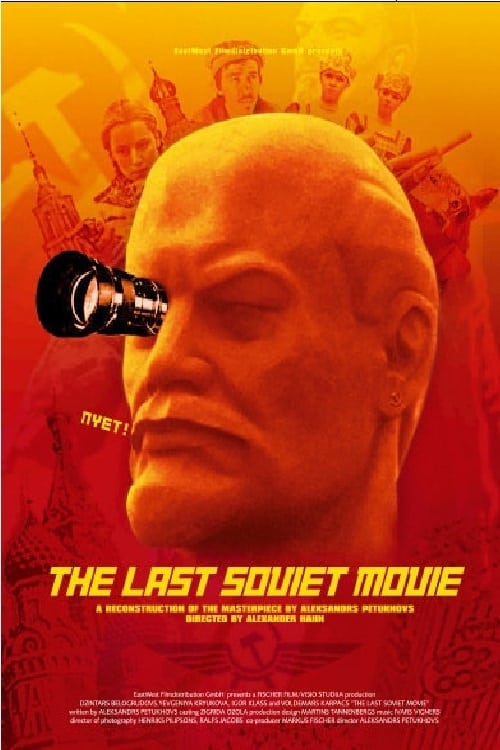
2003
1990
No reviews yet. Be the first to share your thoughts on this movie!
Use the rating form above to leave a star rating and optional review.