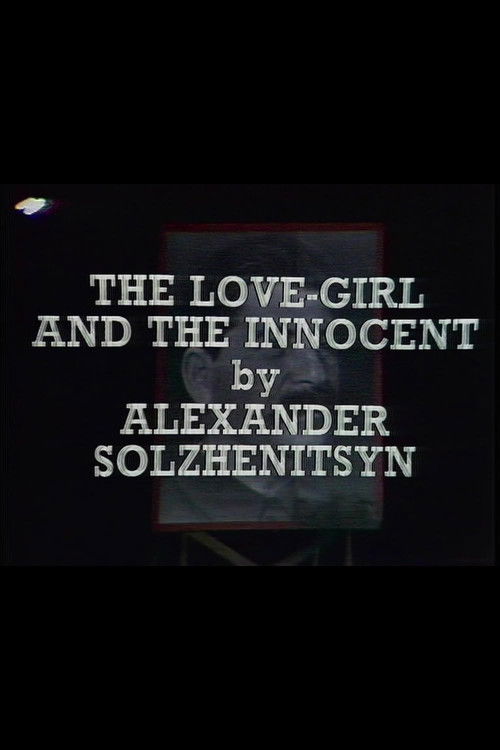
The Love-Girl and the Innocent
1973
No user ratings available yet
Representation score: 5.6 out of 10

Representation Score
Limited
1978
Director
Alan Clarke
Runtime
76 minutes
Average Rating
No ratings yetNew Showbiz Analysis
Nina is a focused character study that emphasizes internal emotional landscapes over broad external movements. It provides a nuanced look at mental health and the complexities of female-centric domesticity, avoiding many common clichés of the time. However, the film lacks diverse representation. The absence of racial diversity and LGBTQ+ characters limits the scope of its social commentary, keeping the narrative within a very specific, homogeneous social framework. Ultimately, the film is a powerful exploration of psychological fragility, even though its social breadth is narrow.
Category Breakdown
The film does not include any LGBTQ+ characters and focuses solely on the psychological and familial dynamics of the main characters.
The story centers on the female experience and domestic tension, challenging traditional hierarchies by emphasizing the volatile relationship between mother and daughter.
The cast is homogeneous, reflecting the gritty, urban, working-class settings characteristic of Clarke's early social realism.
The film critiques the stability of traditional institutions, presenting the nuclear family as a source of tension rather than a sanctuary.
Mental health is central to the character's development. Nina's psychological instability is portrayed with ability to act rather than as a simple cliché.
Present on Screen
Limited or Absent
Official Synopsis
Play for Today about Russian dissidents.
1973

1983
1972
1985

1985
1985

1988

1995
No reviews yet. Be the first to share your thoughts on this movie!
Use the rating form above to leave a star rating and optional review.