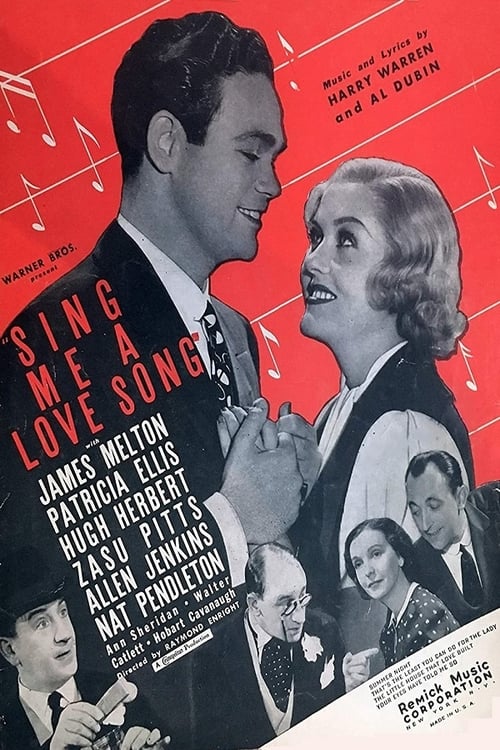
Sing Me a Love Song
1936
No user ratings available yet
Representation score: 0.6 out of 10
Representation Score
Limited
1946
PassedDirector
Reginald Le Borg
Runtime
65 minutes
Average Rating
No ratings yetNew Showbiz Analysis
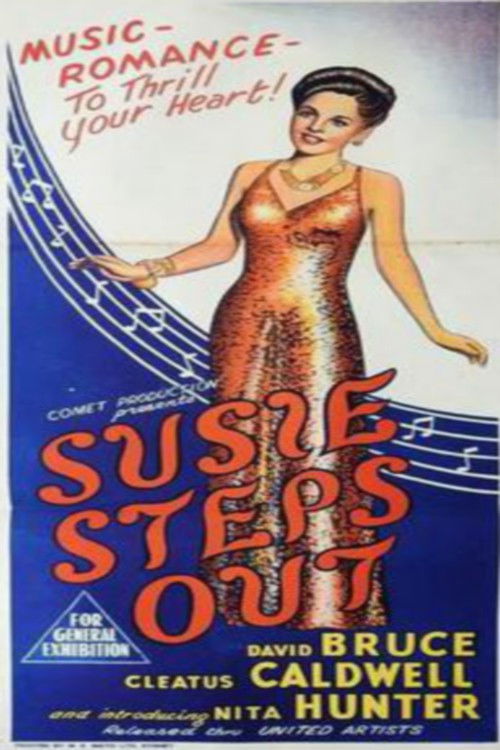
Susie Steps Out is a classic example of its 1940s studio-era context. While Susie takes initiative by working to support her family, the narrative remains entrenched in the social norms of the time. The film does not challenge traditional clichés, such as using illness as a mere plot device and relying on gender stereotypes. Ultimately, the film upholds mid-century norms without offering a broader perspective on relationships, family, and economic struggles.
Category Breakdown
The film adheres to the assumption that everyone is straight or cisgender, and there is no indication of same-sex relationships or non-cisgender identities.
Susie actively participates in supporting her family by working outside the home, but the story relies on traditional gender stereotypes involving deception and performance.
The film likely portrays white, Western characters typical of its era. There is no evidence of diverse casting or actors representing different backgrounds.
The story emphasizes traditional values related to family duty and economic hardship, focusing on social harmony and moral stability.
The father's illness functions mainly as a plot device to propel the protagonist's journey, without delving into the complexities of living with a disability.
Present on Screen
Limited or Absent
Official Synopsis
After her father loses his job because of illness, adolescent Susie Russell poses as older than she is in order to get a job singing in a night club. Complications arising from the deception involve her older sister Clara, who works at an ad agency and the radio crooner, Jeffrey Westcott, whom she is in love with.
1936

1942

1949

1948

1938

1941
1943
1937
No reviews yet. Be the first to share your thoughts on this movie!
Use the rating form above to leave a star rating and optional review.