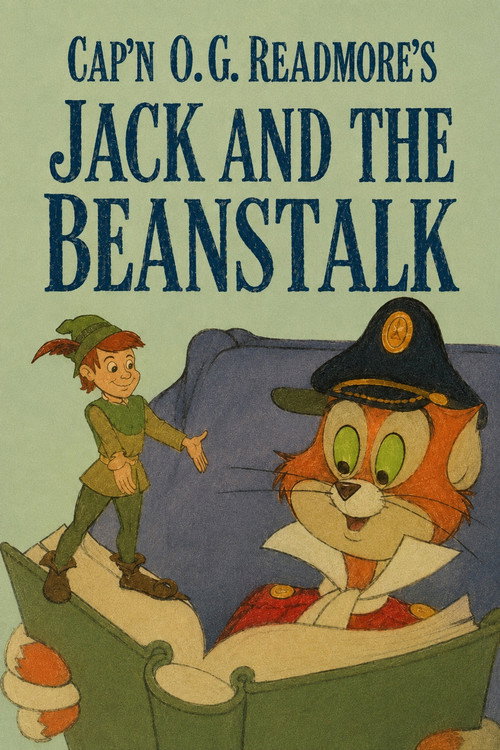
Cap'n O.G. Readmore's Jack and the Beanstalk
1985
No user ratings available yet
Representation score: 1.8 out of 10
Representation Score
Minimal
1988
TV-YDirector
Rick Reinert
Runtime
22 minutes
Average Rating
No ratings yetNew Showbiz Analysis
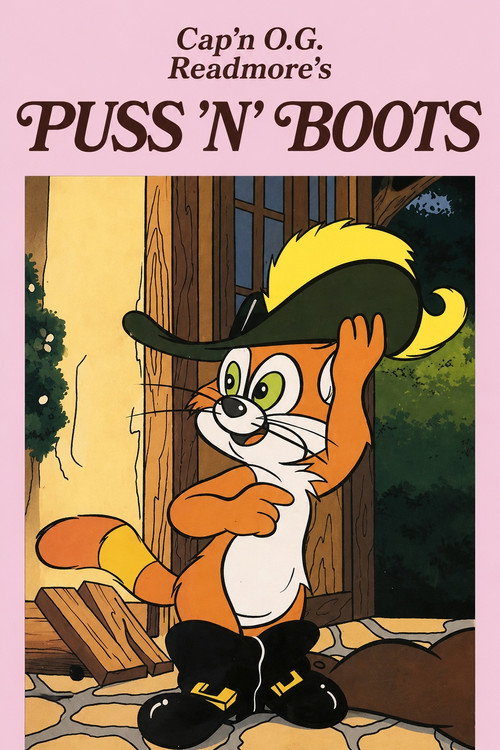
Cap'n O.G. Readmore's Puss in Boots is a 1988 animated short that retells a classic fairy tale through anthropomorphic animals. The narrative centers on a male cat sharing his ancestor's legend with library friends, creating a simple, low-stakes story. While the cast includes female characters like Kitty Literature, they function primarily as listeners rather than active participants in the plot. The reliance on animal characters naturally excludes human racial and ethnic diversity, resulting in a limited scope for representation. The film does not address modern social themes, instead relying on traditional storytelling structures. This approach keeps the content neutral and accessible, but it offers little in the way of complex social commentary or diverse perspectives. The overall diversity score reflects this straightforward, traditional approach to storytelling.
Category Breakdown
No LGBTQ+ characters or same-sex romance appear in this animated short. The story focuses on a cat telling a classic fairy tale to his library friends. No romantic relationships are depicted or implied.
The cast includes both male and female characters, such as Kitty Literature and Lickity Page. However, the narrative centers on the male protagonist, Cap'n O.G. Readmore, who drives the plot. Female characters serve as listeners rather than active decision-makers.
The film features anthropomorphic animals, so human racial diversity is absent. The cast consists of cats and other creatures with no specific ethnic backgrounds. This is standard for the genre but offers no representation of human racial groups.
The story is a straightforward retelling of the Puss in Boots fairy tale. It presents traditional values without critique or subversion. The setting is a library, and the tone is lighthearted and neutral regarding cultural institutions.
No characters with physical or mental disabilities are present. The story does not address disability, chronic illness, or neurodivergence. All characters are depicted as able-bodied animals engaging in standard activities.
Present on Screen
Limited or Absent
Official Synopsis
Cap'n O.G. Readmore, who regales his library friends Kitty Literature, Ol' Tome Cat, Wordsy and Lickety Page with the humorous and witty tale of his great-great-great-great-grandfather, the legendary Puss in Boots.
1985
2011
1992
1988
1999
1955
1988
1968
No reviews yet. Be the first to share your thoughts on this movie!
Use the rating form above to leave a star rating and optional review.