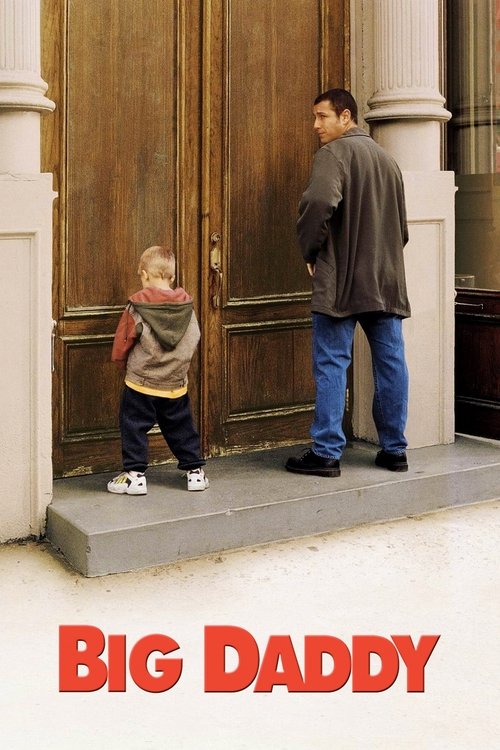
Big Daddy
1999
No user ratings available yet
Representation score: 0.9 out of 10

Representation Score
Limited
1983
PGDirector
Stan Dragoti
Runtime
91 minutes
Average Rating
No ratings yetNew Showbiz Analysis
Mr. Mom stands out for its era-specific subversion of traditional gender roles. By placing a male protagonist in a position of domestic vulnerability, the film challenges the archetype of the infallible male provider. However, this progressive approach is limited by a lack of diversity. The film remains focused on a homogeneous, white, suburban setting with little representation of racial or LGBTQ+ identities. Ultimately, the film explores the shifting power dynamics within a nuclear family, offering a more nuanced but still narrow social perspective.
Category Breakdown
The film adheres to a structure that assumes everyone is straight and cisgender. There are no LGBTQ+ characters or non-cisgender identities in the plot.
The story turns traditional gender roles upside down by having the male lead handle childcare and domestic duties. The female lead becomes the main breadwinner and professional authority figure.
The narrative centers around a homogeneous, white, middle-class family. It does not include characters from diverse racial backgrounds or multi-layered casting.
The film questions the reliability of corporate career paths through its central conflict. It depicts the domestic sphere as a place of chaotic, non-idealized reality.
There are no prominent depictions of physical, neurodivergent, or mental health disabilities that drive the narrative.
Present on Screen
Limited or Absent
Official Synopsis
Jack and Caroline are a couple making a decent living when Jack suddenly loses his job. They agree that he should stay at home and look after the house while Caroline works. It's just that he's never done it before, and really doesn't have a clue...
1999
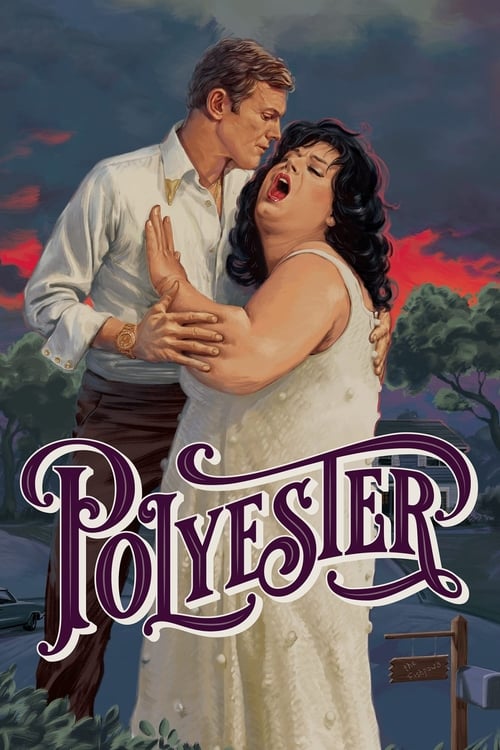
1981
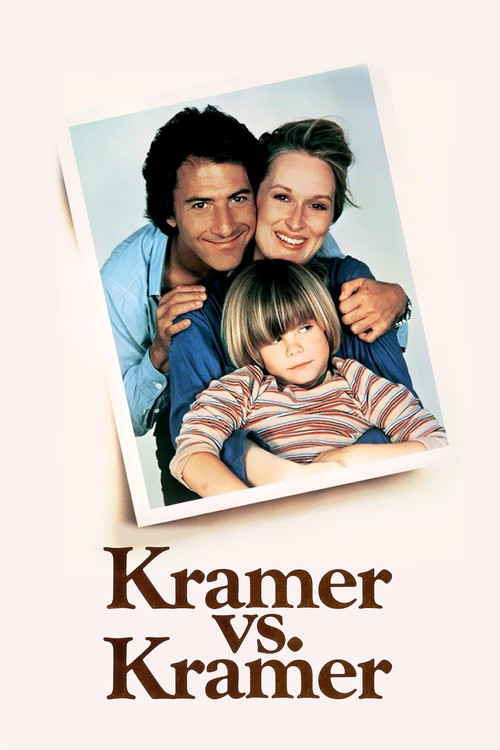
1979

1977
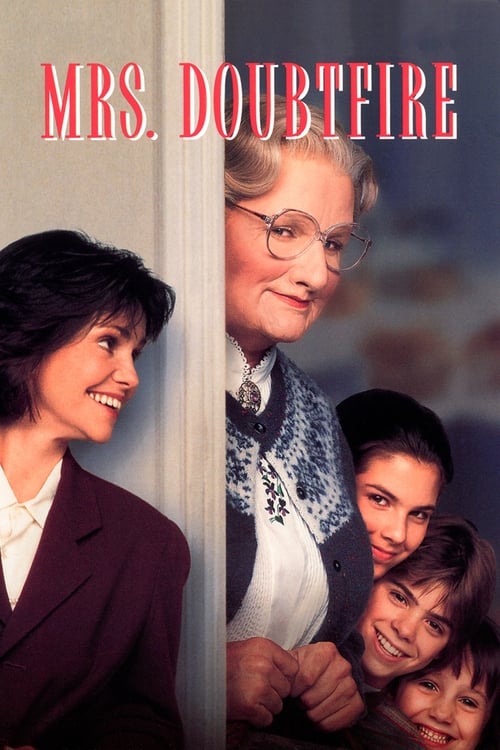
1993
1970
1987

1987
No reviews yet. Be the first to share your thoughts on this movie!
Use the rating form above to leave a star rating and optional review.