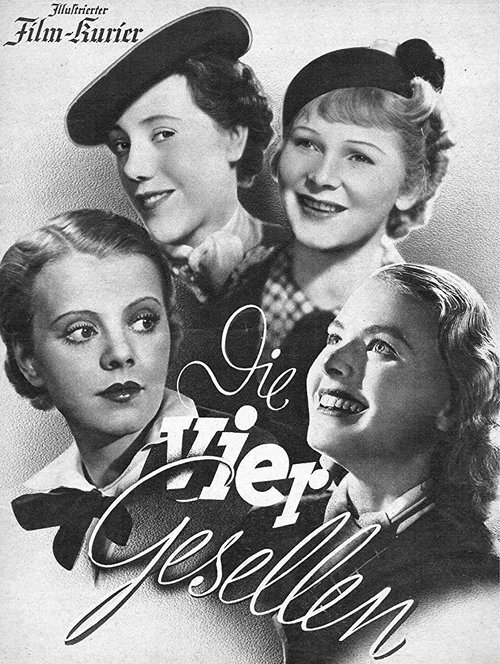
The Four Companions
1938
No user ratings available yet
Diversity score: 1.8 out of 10

1933
Director
Busby Berkeley, George Amy
Runtime
65 minutes
Average Rating
No ratings yetSynopsis
Florence Denny is Tommy Nelson's girlfriend and secretary at a clothing manufacturer during the Great Depression. In order to boost sales they have been using professional female entertainers to keep their clients very happy, but the clients are getting bored of them. Tommy convinces management to replace the professionals with "volunteers" from the pool of stenographers. Inevitably some clients expectations are greater than their "dates", boyfriends become unhappy, and the "voluntary" duty becomes less so over time. At first, Tommy prevents Florence from being a volunteer, but eventually the prospect of a bonus becomes too great and he encourages her to volunteer. Afterwards, Tommy considers Florence a loose woman.
Overall Score
Limited
Category Breakdown
LGBTQ+ Representation
The film lacks any evidence of queer narratives or non-heteronormative identities. The central tension remains strictly within a traditional heterosexual framework.
Gender Representation
The story reinforces patriarchal control and traditional hierarchies. Female agency is diminished as the protagonist's value is tied to satisfying male client expectations.
Racial & Ethnic Diversity
The narrative likely centers on a homogeneous white demographic typical of the era. There is no explicit evidence of diverse casting or intersectional representation.
Religious & Cultural Diversity
The film operates within a framework of traditional Western morality. It focuses on individual moral failings rather than critiquing systemic economic pressures.
Disability Representation
There is no information regarding characters with physical, sensory, or neurodivergent disabilities.
Strengths
Areas for Improvement
AI Analysis
She Had to Say Yes functions as a social melodrama that prioritizes the maintenance of social respectability over systemic critique. The narrative structure relies heavily on traditional gender roles, where female characters are judged by their adherence to sexual propriety. The film lacks intersectional complexity, offering little in the way of racial or LGBTQ+ representation. Instead, it uses the economic pressures of the Great Depression to drive a plot centered on patriarchal expectations and moral judgment. Ultimately, the work serves as a cautionary tale regarding social decorum, reinforcing established hierarchies rather than challenging them.
1938
1939

1930
1929
1932

1933

1932
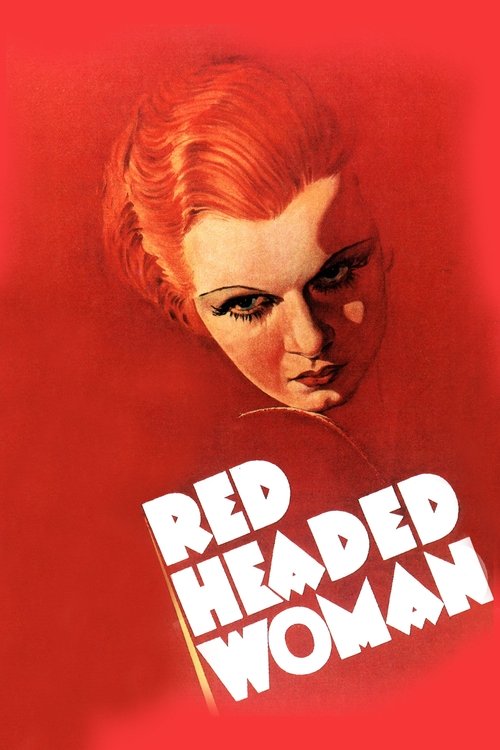
1932
No reviews yet. Be the first to share your thoughts on this movie!
Use the rating form above to leave a star rating and optional review.