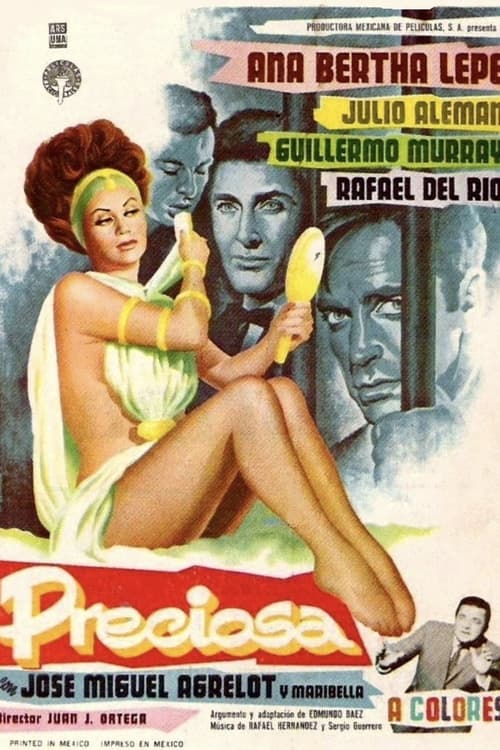
Preciosa
1965
No user ratings available yet
Representation score: 2.8 out of 10
Representation Score
Fair
1960
Director
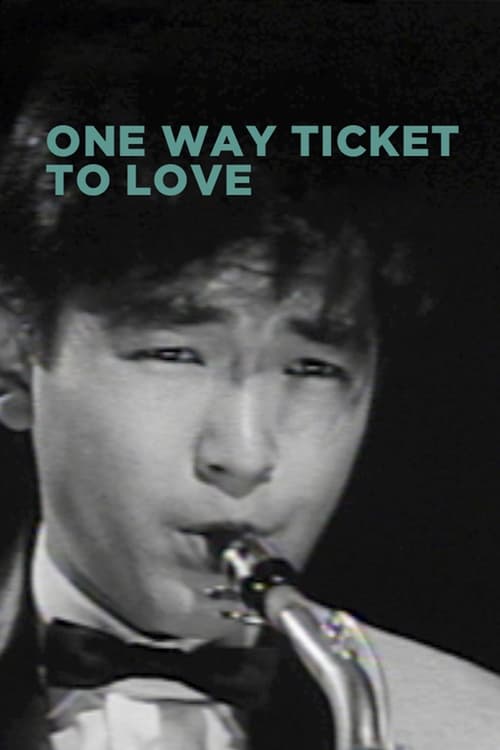
Masahiro Shinoda
Runtime
82 minutes
Average Rating
No ratings yetNew Showbiz Analysis
Masahiro Shinoda’s direction offers a critical look at the social hierarchies within the music industry. The film goes beyond simple melodrama to explore the tension between personal desires and systemic constraints. The work successfully centers non-Western perspectives and delves into professional power dynamics. It uses the backstage environment to critique how individuals navigate male-dominated and commercialized spaces. However, the film is limited by the social norms of its time, featuring a culturally uniform cast and focusing primarily on heterosexual relationships. It does not include characters with disabilities or diverse ethnic backgrounds.
Category Breakdown
The film focuses on heterosexual relationships among singers, managers, and dancers. There are no characters with non-traditional gender identities.
The story examines power struggles between an arrogant singer and a less valued manager. A nude dancer scene hints at challenging traditional gender roles and personal autonomy.
This 1960 Japanese film features a cast that is culturally uniform. It offers a crucial non-Western viewpoint that contrasts with the Western film dominance of the time.
The backstage setting critiques the commercialization of emotions and the artificiality of public personas. It highlights the emotional realities of those sidelined by societal norms.
There are no characters in the film dealing with physical or neurological disabilities.
Present on Screen
Limited or Absent
Official Synopsis
The backstage romances of an egotistical singer and his under-valued manager, a lovelorn bandman and a nude dancer.
1965
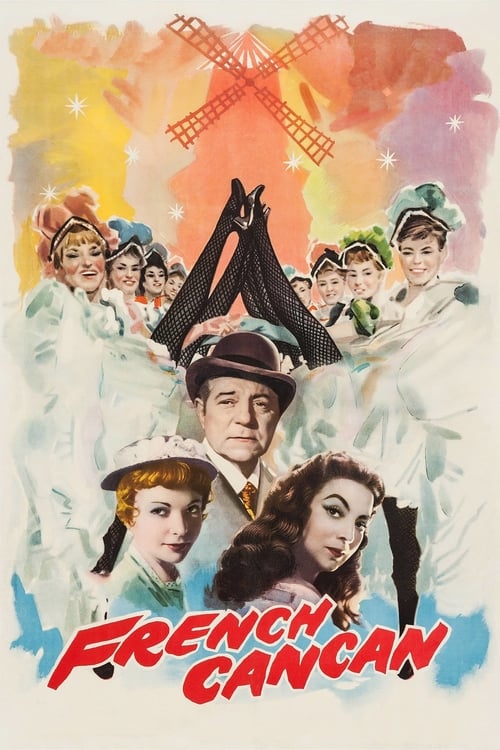
1955
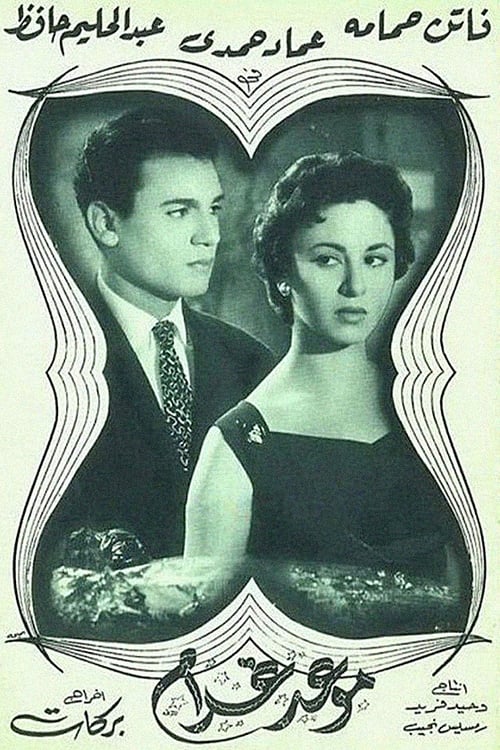
1956

1961

1961
1996
1960
1974
No reviews yet. Be the first to share your thoughts on this movie!
Use the rating form above to leave a star rating and optional review.