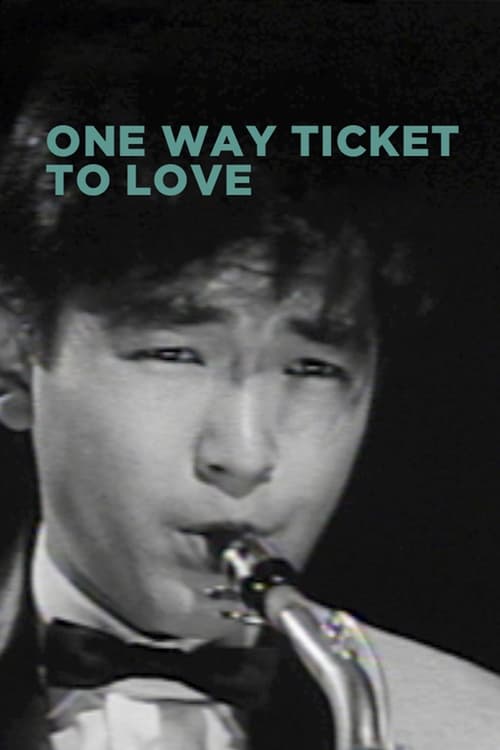
One-Way Ticket to Love
1960
No user ratings available yet
Representation score: 5.3 out of 10

Representation Score
Limited
1961
ApprovedDirector
Martin Ritt
Runtime
98 minutes
Average Rating
No ratings yetNew Showbiz Analysis
Paris Blues stands out as a progressive film from the mid-20th century by placing a Black protagonist in a position of intellectual and professional authority. Moving the setting to Europe allows the film to avoid American racial hierarchies while exploring interracial dynamics and the pursuit of artistic excellence. Despite the lack of LGBTQ+ representation and disability depictions, the film provides female characters with psychological depth. It emphasizes individual ability to act and internal struggles over rigid social archetypes. Ultimately, the film uses its setting to critique the commercialization of art, prioritizing personal truth over traditional social structures.
Category Breakdown
The film does not include any LGBTQ+ characters or explore non-straight relationships. All romantic storylines involve heterosexual couples.
Julia is shown with emotional depth and professional strength, avoiding the typical submissive female character. The film focuses on the vulnerability of its main characters rather than reinforcing traditional patriarchal roles.
By setting the story in Europe, the film centers a Black protagonist with significant professional influence. It explores themes of interracial romance and identity in an expatriate context.
Paris is depicted as a secular environment where characters emphasize artistic truth over religious doctrine. The narrative highlights the importance of personal integrity over institutional expectations.
The film does not depict any visible or invisible disabilities.
Present on Screen
Limited or Absent
Official Synopsis
During the 1960s, two American jazz musicians living in Paris meet and fall in love with two American tourist girls and must decide between music and love.
1960

1961

1960
1955

1954

1958

1956

1977
No reviews yet. Be the first to share your thoughts on this movie!
Use the rating form above to leave a star rating and optional review.