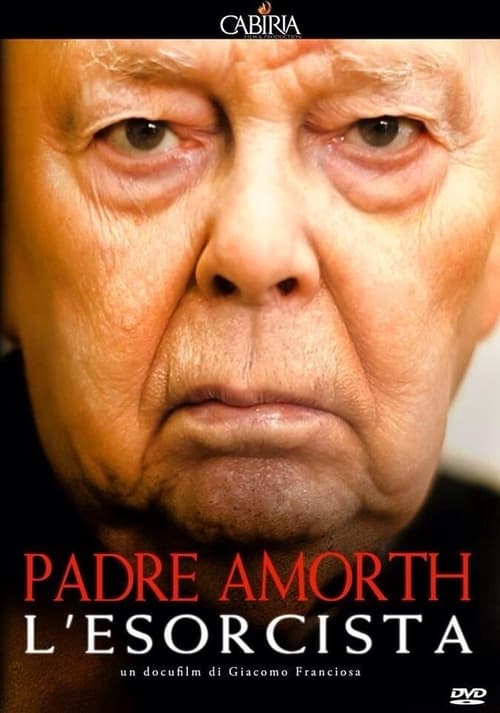
Amorth, the Exorcist
2017
No user ratings available yet
Representation score: 1.2 out of 10

Representation Score
Fair
2016
Director
Federica di Giacomo
Runtime
89 minutes
Average Rating
No ratings yetNew Showbiz Analysis
Deliver Me examines the intersection of modern psychological distress and ancient religious rituals. It provides insights into how individuals seek recognition for suffering that lacks a clinical diagnosis, using the framework of the Catholic Church. While the documentary offers meaningful perspectives on personal crises, it primarily reinforces existing social and religious structures. The narrative relies heavily on traditional institutional authority without directly challenging it. Ultimately, the film studies spiritual coping mechanisms within a specific cultural context, emphasizing traditionalist views of morality and hierarchy.
Category Breakdown
The film focuses on spiritual and psychological struggles within traditional religious settings. It does not prominently feature or center on LGBTQ+ identities.
The film features a balanced mix of genders among those seeking help. However, the central authority figure upholds a traditional patriarchal role within the religious structure.
Set in Sicily, the film reflects a specific Mediterranean cultural context. The cast is localized and culturally homogeneous, lacking significant racial or ethnic diversity.
The narrative is deeply rooted in Western religious traditions. It portrays the Church as a stabilizing institution without directly challenging its authority.
The film highlights individuals dealing with unnamed psychological discomfort. It avoids clichés by focusing on the raw reality of their experiences.
Present on Screen
Limited or Absent
Official Synopsis
A film on the come back of exorcism in the contemporary world. Each year a growing number of people call their sense of unease “possession.” The Church answers to this spiritual emergency nominating an increasing number of exorcist priests and organizing training courses. Father Cataldo is one of the most sought-after exorcists in Sicily and elsewhere; he is famous for his tireless fighting spirit. Every Tuesday Gloria, Enrico, Anna, and Giulia, along with many others, attend Father Cataldo’s mass for deliverance, trying to find a cure for a sense of discomfort that has no answer nor a name. Whether believers or not, how far are we prepared to go to get recognition for our own disease? What are we prepared to do to be delivered from it, here and now?
2017

2021
2018

2006
2019
2006

2013
2019
No reviews yet. Be the first to share your thoughts on this movie!
Use the rating form above to leave a star rating and optional review.