Camino Skies
2019
No user ratings available yet
Representation score: 7.7 out of 10
Representation Score
Good
2019
NRDirector
Thierry Demaizière, Alban Teurlai
Runtime
95 minutes
Average Rating
No ratings yetNew Showbiz Analysis
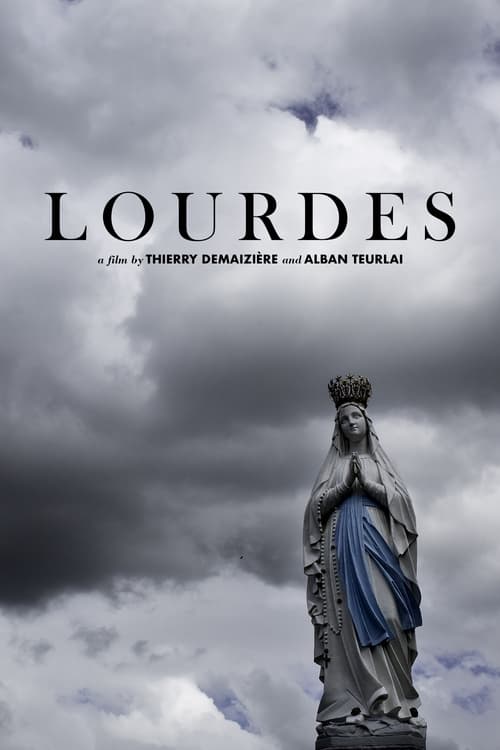
Lourdes is a meditative study on vulnerability. It successfully challenges the traditional expectations of religious documentaries by integrating underrepresented social identities into a conservative spiritual framework. This creates a compelling tension between institutional norms and human complexity. The film's greatest strength lies in its portrayal of disability and LGBTQ+ presence. By centering those facing physical hardship and social exclusion, the documentary prioritizes empathy over rigid dogma. While the film provides a significant role in driving the story to its subjects, it lacks specific evidence of deep racial diversity. The focus remains primarily on the shared human experience of suffering and faith within a traditional French context.
Category Breakdown
The film includes trans individuals and sex workers from Paris, placing these underrepresented groups within a sacred pilgrimage. This disrupts the expectation of a uniform religious demographic.
Women pilgrims are shown actively navigating both physical and emotional hardships. They are portrayed as active participants in their spiritual journeys rather than passive subjects.
The documentary showcases a diverse procession of people, highlighting the richness of humanity. However, the specific racial backgrounds of the pilgrims remain less defined within the French village setting.
The narrative explores the blend of religious devotion and secular humanism. It shifts focus from strict doctrine to humanistic connections and empathy for various social outcasts.
The film centers on accident victims and the terminally ill, treating physical and chronic illness as the core of the narrative. It emphasizes individual dignity.
Present on Screen
Limited or Absent
Official Synopsis
LOURDES, a small village where the Virgin Mary appeared to a young girl about 150 years ago. Still today LOURDES is more alive than ever. And Our Lady remains active and attentive to each of her children. About 6 million people visit it every year. After the pandemic, her devotion is increasing. The multitudinous processions of people seeking a miracle feed a small army of caregivers (nurses, volunteers, hospitalists) who accompany them. These pilgrims are an amazing display of humanity: accident victims, the terminally ill, an overweight teenager being bullied at school, a group of prostitutes and trans people from Paris, etc. LOURDES is an insightful meditation on the human capacity for empathy and hope, and especially a journey into the mystery of religious faith in the face of life's profound tribulations.
2019

1978

2016

2018

2013
2020

2005
2017
No reviews yet. Be the first to share your thoughts on this movie!
Use the rating form above to leave a star rating and optional review.