
Leap of Faith: William Friedkin on The Exorcist
2019
No user ratings available yet
Representation score: 3.5 out of 10
Representation Score
Limited
2018
Not RatedDirector
William Friedkin
Runtime
68 minutes
Average Rating
No ratings yetNew Showbiz Analysis
William Friedkin’s documentary preserves traditional religious rituals. It prioritizes the effectiveness of the Catholic priesthood and institutional doctrine over social challenges. The film upholds existing hierarchies rather than questioning them. The narrative lacks complexity by focusing on a singular, culturally specific spiritual reality. By centering on the Vatican's authority, the film maintains a rigid, non-relativistic perspective that avoids modern social discourse. Ultimately, the work studies historical religious authority. It offers a narrow view of specific spiritual practices without engaging with broader, diverse social perspectives.
Category Breakdown
The documentary focuses solely on Catholic liturgical and spiritual procedures. There are no LGBTQ+ characters or stories addressing non-traditional gender identities.
The film centers on a patriarchal structure led by male clergy. Cristina, though central, remains a passive participant in the spiritual process.
Set in Rome, the film reflects local demographics with a predominantly white, European cast. It adheres to Western-centric casting norms without expanding its scope.
The narrative serves as a defense of the Roman Catholic Church. It promotes a singular moral framework of good versus evil without considering moral relativism.
Subjects experiencing severe psychological fits are portrayed through a supernatural lens. These conditions are framed as evidence of demonic influence rather than highlighting individual experiences.
Present on Screen
Limited or Absent
Official Synopsis
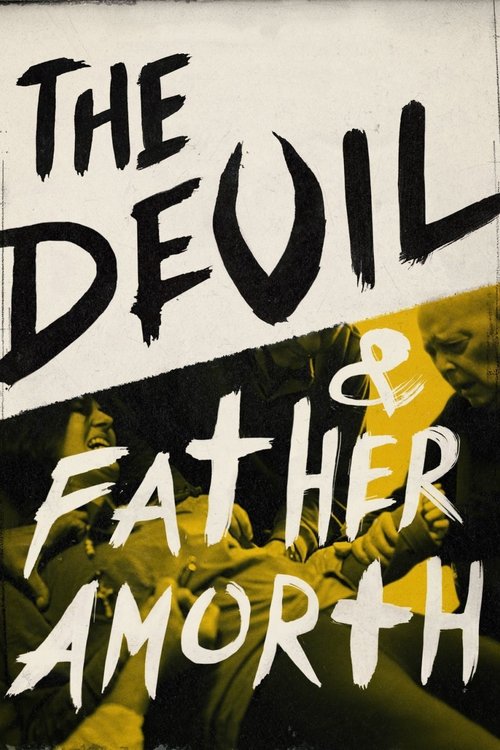
William Friedkin attends an exorcism with Father Gabriele Amorth, as he treats an Italian woman named Cristina for the ninth time. Prior to filming, Cristina had purportedly been experiencing behavioural changes and “fits” that could not be explained by psychiatry, and which became worse during Christian holidays.
2019
1922
2020
2006
2021
1999
2013
2010
No reviews yet. Be the first to share your thoughts on this movie!
Use the rating form above to leave a star rating and optional review.