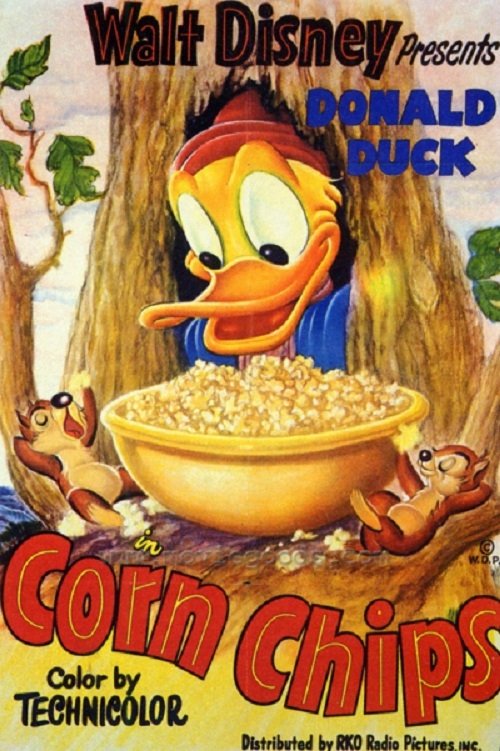
Corn Chips
1951
No user ratings available yet
Representation score: 0.1 out of 10
Representation Score
Minimal
1953
GDirector
Jack Hannah
Runtime
7 minutes
Average Rating
No ratings yetNew Showbiz Analysis
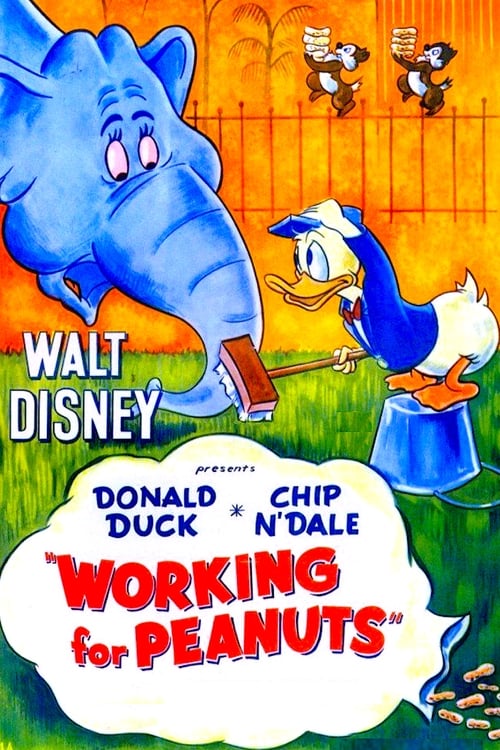
Working for Peanuts is a mid-century animated short that emphasizes kinetic energy and gag-based humor over social depth. The plot revolves around a straightforward pursuit-and-reward cycle focused on obtaining peanuts. The film adheres to 1950s animation standards, which generally did not deconstruct social norms. It serves as traditional entertainment, maintaining the status quo of its genre without challenging conventional storytelling. One notable element is the use of color-based mimicry as a plot device. This cliché lacks the nuance found in modern storytelling that considers multiple aspects of identity.
Category Breakdown
The film does not depict any non-binary gender identities or same-sex relationships. Characters are portrayed as typical comedic figures without any expressed sexual or gender orientations.
Gender hierarchies and social roles are not explored. The focus is solely on physical comedy and does not reinforce or challenge traditional masculine or feminine stereotypes.
The plot includes a cliché where characters pretend to be white to mimic an albino species for personal gain. This approach to character motivation does not consider multiple aspects of identity.
The narrative focuses on individual competition for resources and does not engage with cultural or religious institutions. The moral framework is based on simple cause-and-effect humor.
The film does not depict any neurodivergence, physical disabilities, or sensory impairments. All characters are shown as fully able-bodied participants in slapstick scenarios.
Present on Screen
Limited or Absent
Official Synopsis
Chip 'n Dale live next door to a zoo and spot the elephant's stash of peanuts. They go after them, but both the elephant and his keeper, Donald, are too clever. Then the boys realized the visitors throw peanuts, so they put on a song-and-dance act. Then they paint themselves white and pose as albino chipmunks.
1951
1954
1950
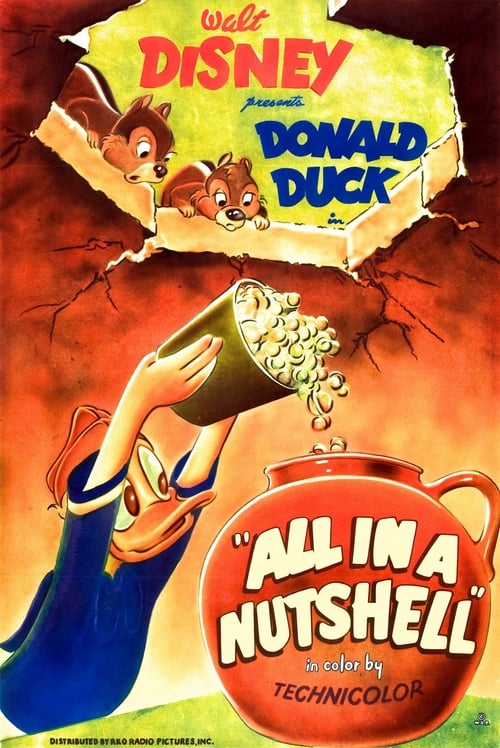
1949

1952
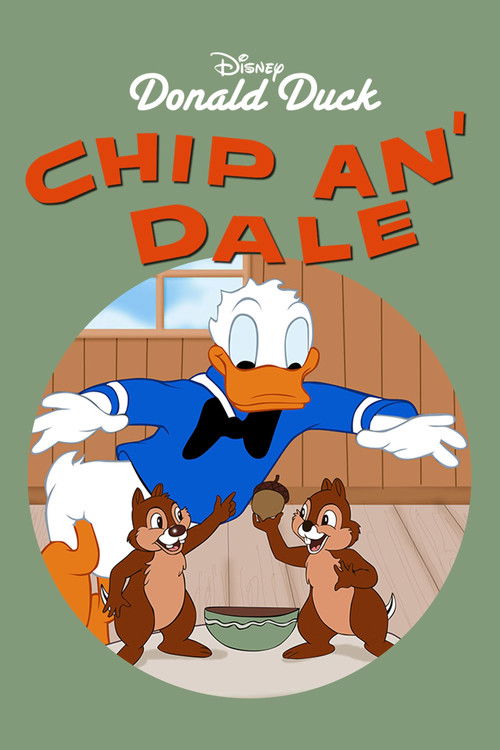
1947
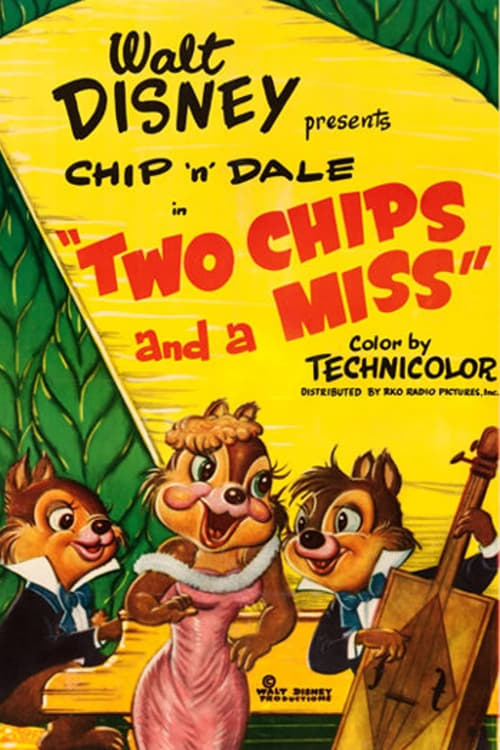
1952
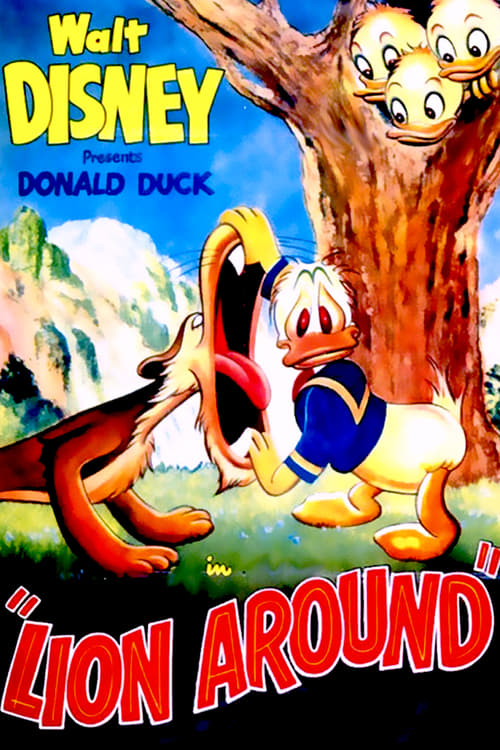
1950
No reviews yet. Be the first to share your thoughts on this movie!
Use the rating form above to leave a star rating and optional review.