
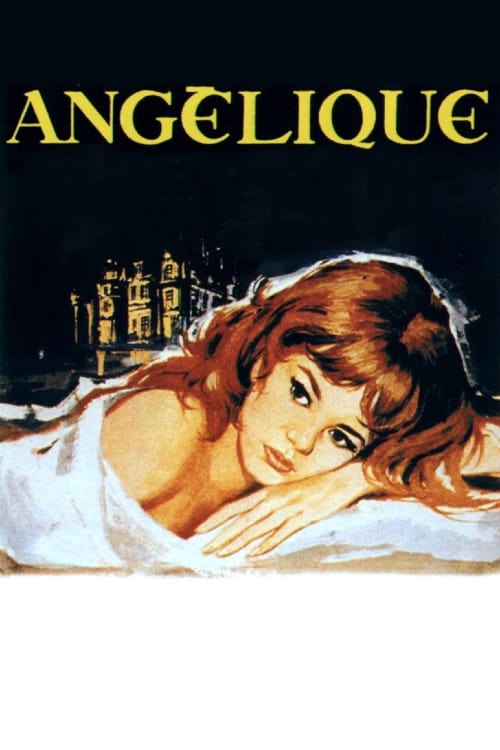
Angelique
2013
No user ratings available yet
Diversity score: 4.4 out of 10
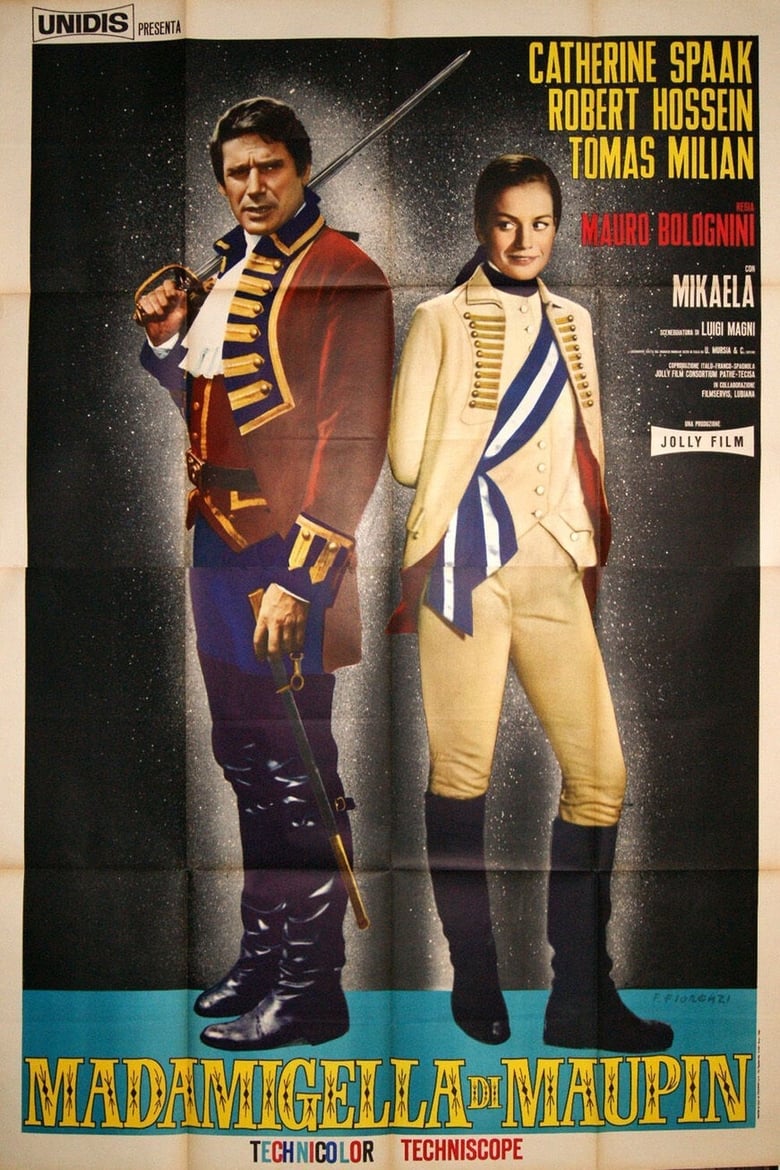
1966
Director
Mauro Bolognini
Runtime
90 minutes
Average Rating
No ratings yetSynopsis
Mademoiselle de Maupin escapes from her uncle's castle, invaded by Hungarian troops, under the guise of a clergyman named Theodore. An army recruiter forces Theodore to enlist in the King's army, and not even the religious robe is an insurance against it. Theodore is assigned to be aide-de-camp to Alcibiade, a man as virile in combat, as he seems troubled for the figure of his aid. D'Albert, an aristocrat, will expose Theodore's true sex, and after a number of confusing, comedy situations, Alcibiade will appease his troubled feelings.
Overall Score
Good
Category Breakdown
LGBTQ+ Representation
The film centers on gender non-conformity through a protagonist who adopts a male persona. This creates a narrative space that explores non-cisnormative identities and queer attraction.
Gender Representation
The story challenges innate gendered traits by requiring a female character to perform masculinity to survive. This subversion disrupts traditional masculine leadership and social hierarchies.
Racial & Ethnic Diversity
The production adheres to the demographic homogeneity typical of mid-1960s European period dramas. It focuses on class and gender rather than racial intersectionality.
Religious & Cultural Diversity
The narrative prioritizes individual identity over strict adherence to religious or aristocratic institutions. It frames deception as a necessary tool for survival and personal agency.
Disability Representation
There is no evidence of characters with physical or neurodivergent disabilities being utilized as central plot points.
Strengths
Areas for Improvement
AI Analysis
Bolognini’s film is a sophisticated exploration of identity, using 18th-century social performance to deconstruct gender binaries. The protagonist's transition into a male persona allows the narrative to navigate and critique rigid social hierarchies through the lens of disguise. While the film excels in its handling of gender fluidity and the performative self, it remains limited by the era's demographic norms. The lack of racial diversity and the absence of disability representation reflect the historical context of mid-century European cinema. Ultimately, the work succeeds as a character study. It moves beyond simple plot devices to address the destabilization of traditional sexual and gender roles, offering a progressive look at identity for its time.
2013
1947
1955
1952
1947
1936
1952
1964
1995
1964
1955

1961
No reviews yet. Be the first to share your thoughts on this movie!
Use the rating form above to leave a star rating and optional review.