One Hundred Steps
2000
No user ratings available yet
Representation score: 3.6 out of 10
Representation Score
Limited
2000
Director
Pasquale Scimeca
Runtime
110 minutes
Average Rating
No ratings yetNew Showbiz Analysis
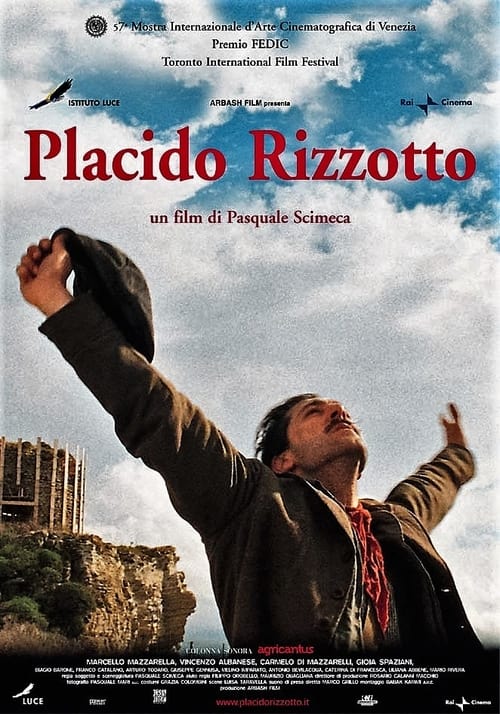
Placido Rizzotto is a historical drama that emphasizes a localized critique of systemic corruption and labor rights. Its strength lies in its authentic portrayal of the Sicilian peasantry's fight against the Mafia and institutional complicity. However, the film's narrow focus limits its scope. It centers almost exclusively on male-led political and wartime struggles, leaving little room for diverse gender or sexual identities. Ultimately, the film prioritizes a concentrated, authentic study of a specific regional and socioeconomic struggle over broader representation.
Category Breakdown
The film focuses on a traditional historical setting without any clear representation of LGBTQ+ identities or narratives that challenge conventional gender roles.
The story mainly revolves around male-dominated spheres of political activism and combat. While domestic life is shown, women are mostly sidelined in the central conflict.
This film is a focused study of the Sicilian peasantry, emphasizing an authentic portrayal of the Italian working class within its historical context.
The film effectively critiques traditional power structures and the Mafia's corruption. It also offers a nuanced view of the Catholic Church's involvement in local social dynamics.
There is no significant depiction of physical or neurodivergent disabilities as central narrative elements.
Present on Screen
Limited or Absent
Official Synopsis
As a child, Sicilian Placido Rizzotto saw his father imprisoned for a crime he didn't commit, and as a young man he fought in World War II, first as a soldier and then as an anti-fascist partisan. These events have left Placido with little taste for petty tyranny and with a desire to promote social justice. Upon his return home, he becomes increasingly aware that the Mafia has taken hold of his village, witnessing angry and frustrated as gangsters control local politics and take whatever they want from the people. Placido helps to form a trade union as a challenge to the Mafia's authority, and attempts to organize the villagers into a collective to grow crops in the fields taken by the Mafia.
2000
1971
1977
1987
2019
1995
1921
1987
No reviews yet. Be the first to share your thoughts on this movie!
Use the rating form above to leave a star rating and optional review.