
The Red Mill
1927
No user ratings available yet
Diversity score: 2.9 out of 10

1929
Director
Yasujirō Ozu
Runtime
103 minutes
Average Rating
No ratings yetSynopsis
Students Watanabe and Yamamoto unknowingly compete for the same girl.
Overall Score
Limited
Category Breakdown
LGBTQ+ Representation
The film operates within conventional romantic frameworks of the era. It lacks any documented non-cisnormative identities or queer narratives.
Gender Representation
Chieko serves as a central object of desire for the male protagonists. However, female agency is limited to navigating romantic attention within traditional hierarchies.
Racial & Ethnic Diversity
The cast is ethnically homogeneous, reflecting the historical reality of 1929 Japan. It provides a culturally specific portrait of the Japanese student class.
Religious & Cultural Diversity
The story explores the tension between traditional values and modernizing influences. It documents the lived experience of a specific socioeconomic class without systemic critique.
Disability Representation
There are no prominent depictions of physical or neurodivergent disabilities. No such traits drive the narrative or serve as significant character elements.
Strengths
Areas for Improvement
AI Analysis
Days of Youth is a culturally significant period piece that captures the social textures of the early Shōwa era. It focuses on the interpersonal frictions of university students navigating the transition between tradition and modernity. The film relies on established social hierarchies and heteronormative romantic tropes. While it provides an authentic look at the Japanese student class, it lacks the intersectional complexity or systemic subversion found in more progressive works. Ultimately, the film serves as a historical document of a specific moment in Japanese social history rather than a tool for social deconstruction.
1927

1935

1935

1928

2011

1982

1998

1927

2019
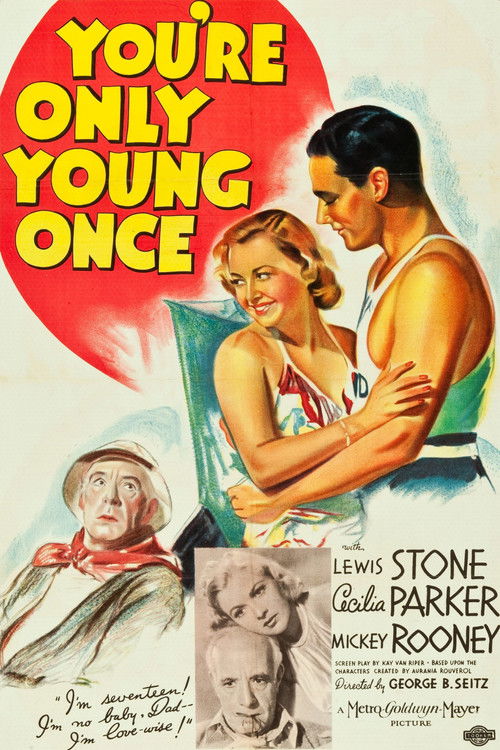
1937

1928

1997
No reviews yet. Be the first to share your thoughts on this movie!
Use the rating form above to leave a star rating and optional review.