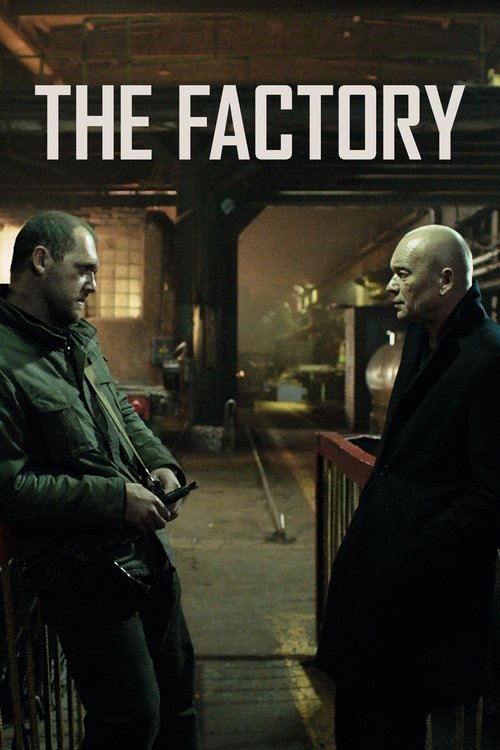
The Factory
2018
No user ratings available yet
Representation score: 3.5 out of 10
Representation Score
Fair
2013
Director
Svetlana Baskova
Runtime
100 minutes
Average Rating
No ratings yetNew Showbiz Analysis
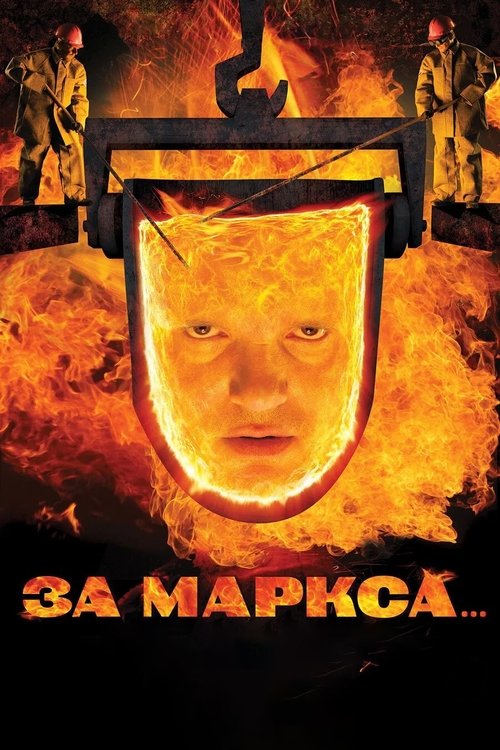
For Marx... is a film that prioritizes class-based conflict and ideological struggle over demographic diversity. It functions as a postmodern critique of political idealism, using absurdity to challenge the existing socioeconomic order. While the film lacks significant representation regarding gender, race, and LGBTQ+ identities, it finds strength in its systemic critique. The narrative deconstructs institutional power through a lens of youthful radicalism.
Category Breakdown
The film centers on political ideology and student activism, with no explicit focus on LGBTQ+ narratives or non-binary identities.
The cast is mainly young men, emphasizing masculine political struggles. There is a lack of strong female leadership or significant subversion of gender hierarchies.
Set in contemporary Russia, the film reflects local demographics. The narrative prioritizes class and ideological identity over ethnic diversity.
The film excels by engaging with anti-capitalist critiques. It uses Marxist ideology to challenge Western economic structures and traditional institutional authority.
There is no discernible focus on neurodivergence or physical disabilities. Characters are defined by socioeconomic status rather than physical or mental capabilities.
Present on Screen
Limited or Absent
Official Synopsis
The workers fight for their rights creating independent union. They know that it is the only way to struggle against the owners of the plant.
2018
1925

2021
1963
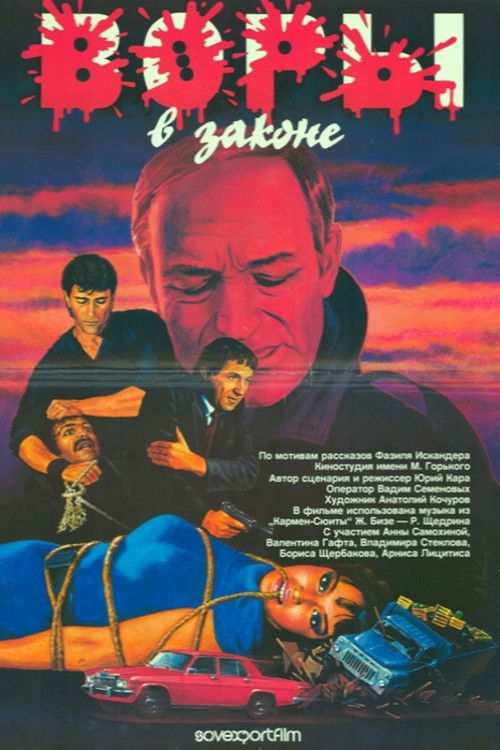
1988
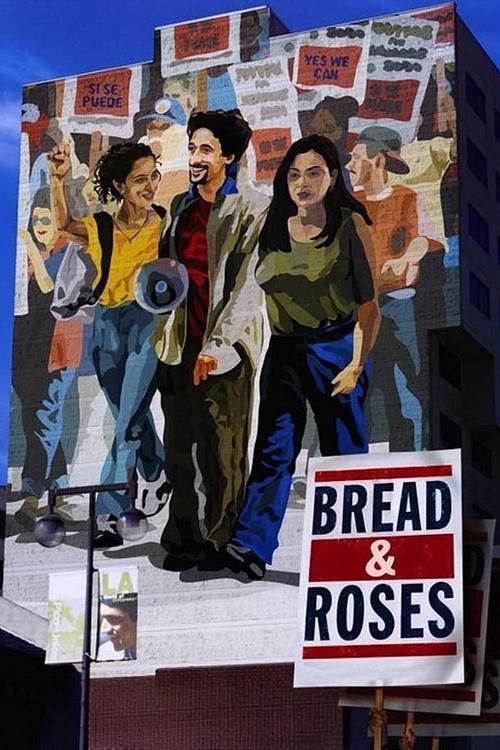
2000
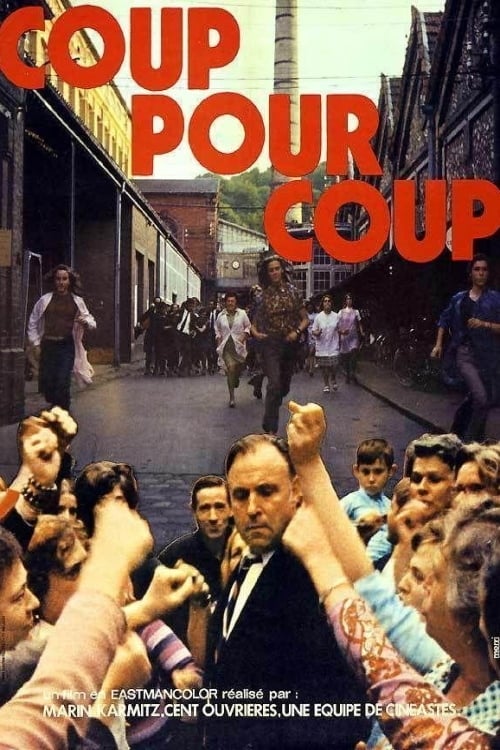
1972
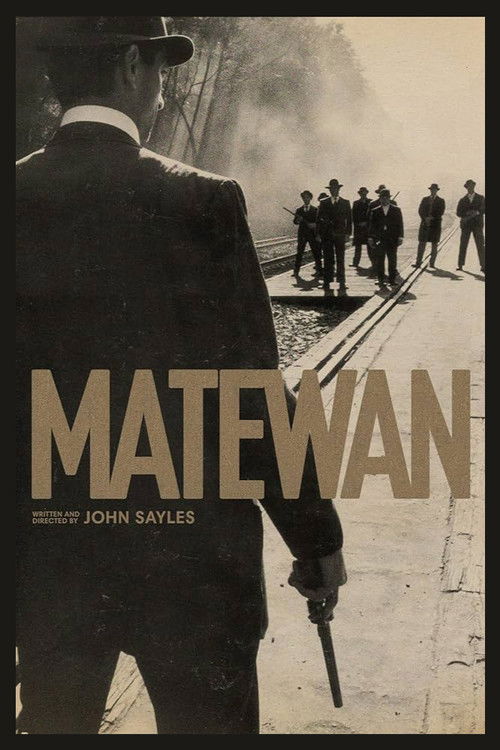
1987
No reviews yet. Be the first to share your thoughts on this movie!
Use the rating form above to leave a star rating and optional review.