
Rape
1976
No user ratings available yet
Representation score: 1.6 out of 10
Representation Score
Limited
1941
ApprovedDirector
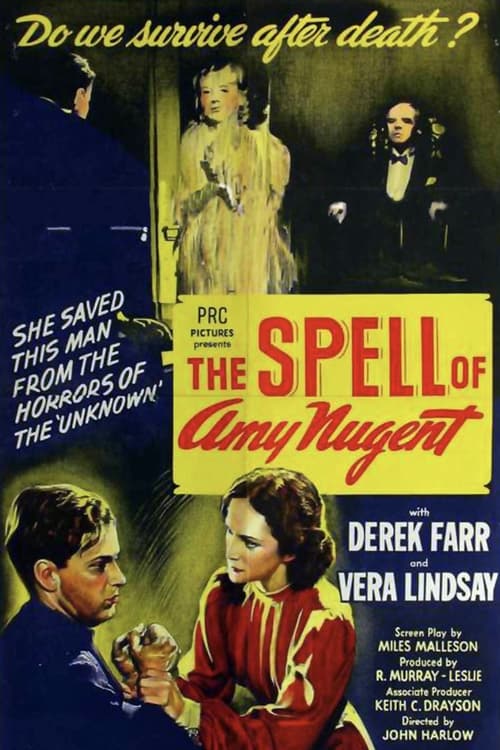
John Harlow
Runtime
82 minutes
Average Rating
No ratings yetNew Showbiz Analysis
The film is a product of the early 1940s studio system, reflecting the social structures and moral frameworks of its time. It relies on traditional formulas of romantic tragedy and spiritual inquiry rather than exploring multiple aspects of identity. While the plot is driven by themes of grief and the afterlife, the characters largely inhabit conventional roles. The narrative structure prioritizes the male protagonist's response to loss over a diverse or systemic exploration of identity. Ultimately, the work functions as a period-specific drama that reinforces the homogeneous demographic norms and traditional depictions of gender and disability of its era.
Category Breakdown
The story revolves around a heterosexual relationship between a man and his fiancé. There is no indication of LGBTQ+ identities or challenges to the assumption that everyone is straight.
The narrative emphasizes the male protagonist's emotional journey and his role in driving the story. The female lead's role is defined by her relationship to him and her vulnerability to illness.
The film seems to follow the standard demographic norms of 1941. There is no evidence of diverse character representation or casting actors with backgrounds different from the traditional expectations.
Themes of spiritualism and the afterlife are explored through a traditional lens of mourning. The film reinforces conventional views on romantic devotion and grief.
A terminal illness serves as a key plot device. This condition primarily functions as a catalyst for the male character's development rather than giving the sufferer a significant role in the story.
Present on Screen
Limited or Absent
Official Synopsis
A young man's fiancé dies after contracting a terminal illness, and in his efforts to contact her he gets involved with a group of spiritualists.
1976
1928

1974
1944

1917
1943

1955
1944
No reviews yet. Be the first to share your thoughts on this movie!
Use the rating form above to leave a star rating and optional review.