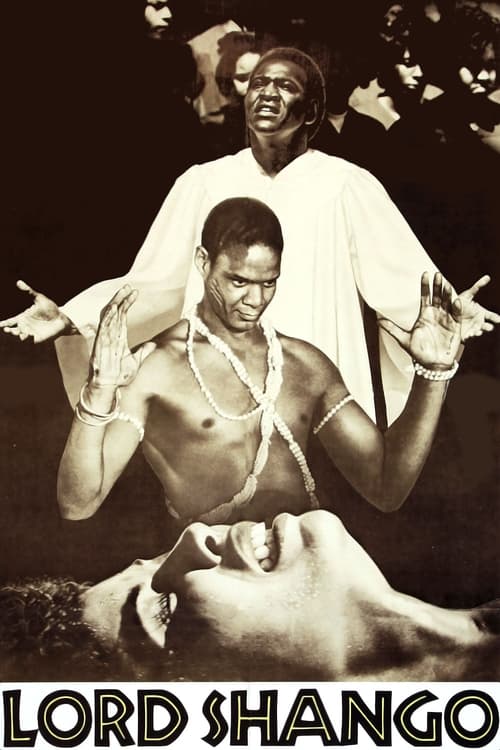
Lord Shango
1975
No user ratings available yet
Representation score: 2.1 out of 10
Representation Score
Limited
1955
Director
John Fitchen
Runtime
19 minutes
Average Rating
No ratings yetNew Showbiz Analysis
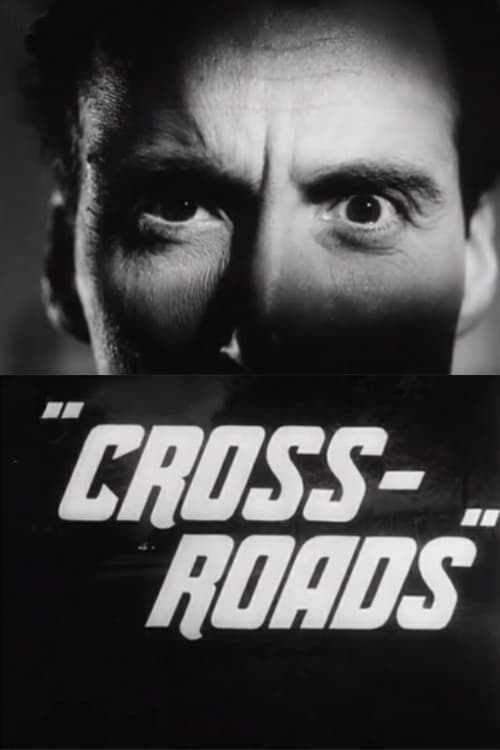
Cross-Roads stands out for its historical defiance, centering a Black musician during the Jim Crow era. By placing a Black protagonist at the heart of the drama, the film challenges the white-centric norms of mid-century studio filmmaking. While the film provides a meaningful critique of systemic injustices and Southern social hierarchies, it remains limited by the era's social constraints. Gender dynamics are traditional, with female characters serving primarily as supporting figures to the male-driven plot. Ultimately, the film's strength lies in its racial ability to act and cultural commentary, even as it lacks LGBTQ+ representation or disability-focused narratives.
Category Breakdown
The film does not include any LGBTQ+ characters or explore non-cisgender identities. It follows the traditional heterosexual norms of 1950s cinema.
The story is mainly driven by the male protagonist. Female characters play supporting roles that highlight the musical and racial conflicts.
The film centers around a Black protagonist and features a predominantly Black cast. This breaks the era's white-centric storytelling by giving the protagonist a significant role in a segregated society.
The story criticizes the social order of the American South by highlighting systemic injustices. It portrays existing social and legal hierarchies as barriers to individual merit.
There are no prominent depictions of physical or neurodivergent disabilities that affect the narrative.
Present on Screen
Limited or Absent
Official Synopsis
A ghost returns from the grave to seek revenge.
1975

1963
1931
1964
2019
1960
1984
1965
No reviews yet. Be the first to share your thoughts on this movie!
Use the rating form above to leave a star rating and optional review.