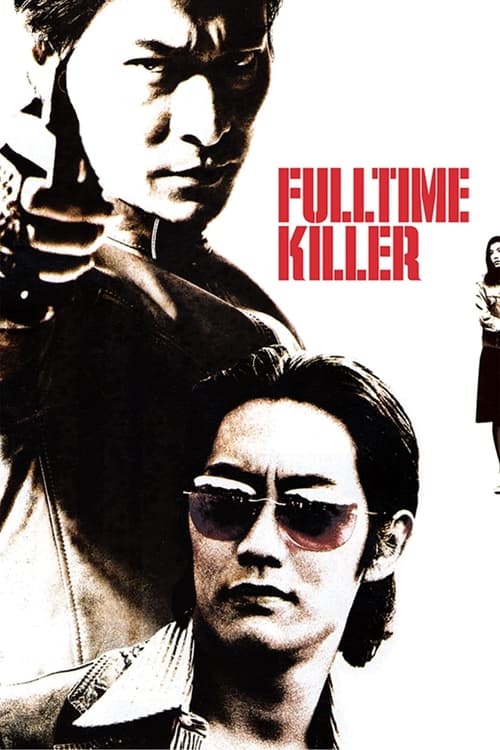
Fulltime Killer
2001
No user ratings available yet
Diversity score: 4.0 out of 10
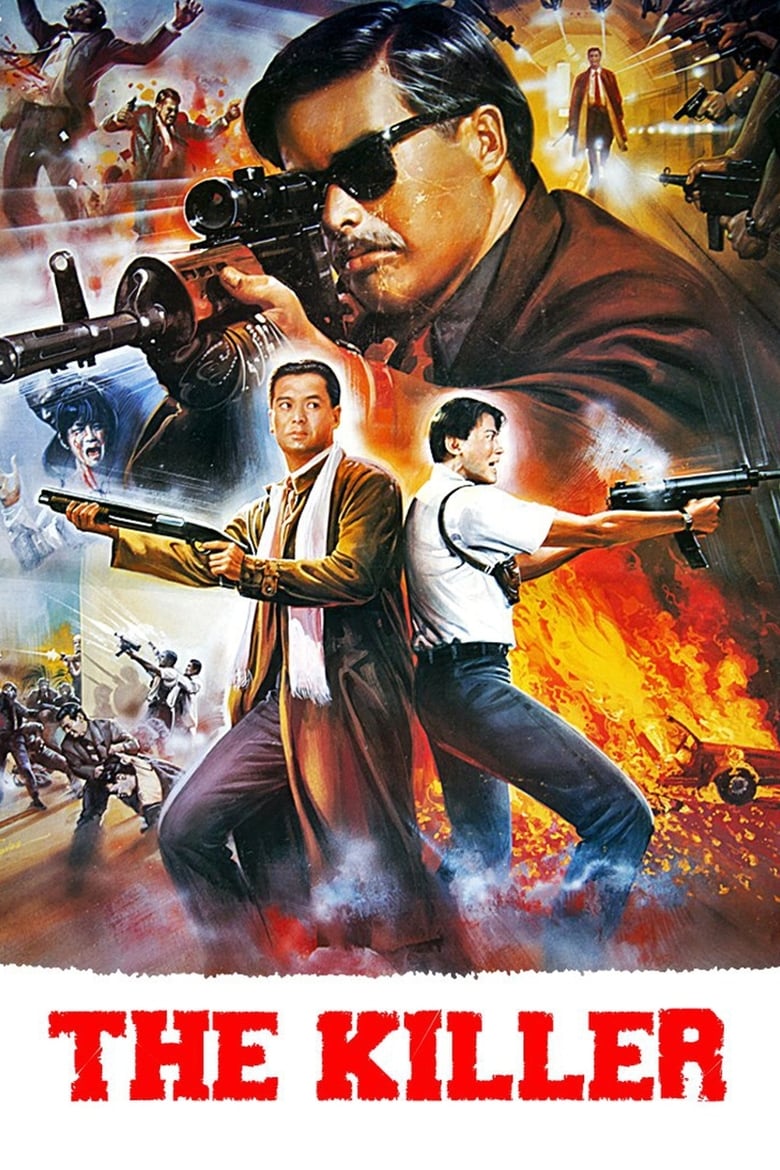
1989
RDirector
John Woo
Runtime
110 minutes
Average Rating
No ratings yetSynopsis
Mob assassin Jeffrey is no ordinary hired gun; the best in his business, he views his chosen profession as a calling rather than simply a job. So, when beautiful nightclub chanteuse Jennie is blinded in the crossfire of his most recent hit, Jeffrey chooses to retire after one last job to pay for his unintended victim's sight-restoring operation. But when Jeffrey is double-crossed, he reluctantly joins forces with a rogue policeman to make things right.
Overall Score
Fair
Category Breakdown
LGBTQ+ Representation
The film lacks LGBTQ+ characters or non-heteronormative identities. Interpersonal dynamics focus on traditional masculine bonds and heteronormative romantic motivations.
Gender Representation
The narrative is heavily male-centric, focusing on professional and moral conflicts between men. Female characters act as emotional anchors or catalysts for male development rather than possessing independent agency.
Racial & Ethnic Diversity
Set in Hong Kong, the film presents a culturally cohesive cast. It avoids a multicultural ensemble in favor of a localized depiction of identity that resists a Western-centric gaze.
Religious & Cultural Diversity
The story disrupts expectations of institutional authority by prioritizing personal honor over state structures. It frames justice through a lens of moral relativism and individual ethics.
Disability Representation
Blindness serves as a central plot device to drive the protagonist's redemption arc. However, the disability functions as a catalyst for male agency rather than exploring the character's autonomy.
Strengths
Areas for Improvement
AI Analysis
The Killer is a specialized work of genre cinema that prioritizes themes of brotherhood and fatalism over demographic breadth. It excels in cultural representation by challenging the moral supremacy of state institutions and replacing the law-versus-crime binary with a complex, individualized code of ethics. However, the film struggles with traditional representation metrics. The narrative architecture is deeply male-centric, and female characters are often relegated to roles that serve the development of the male protagonists. Disability is also used primarily as a narrative tool to motivate the hero's actions. Ultimately, the film's strength lies in its sophisticated moral relativism and its robust, localized Hong Kong identity, even as it remains narrow in its social and gender diversity.
2001
1991
2007
2008
1983
2024
1992
1987
No reviews yet. Be the first to share your thoughts on this movie!
Use the rating form above to leave a star rating and optional review.