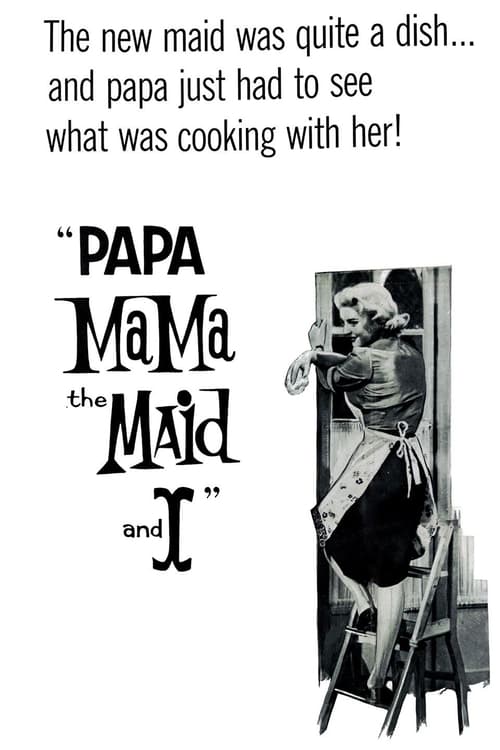
Papa, Mama, the Maid and I
1954
No user ratings available yet
Diversity score: 2.8 out of 10
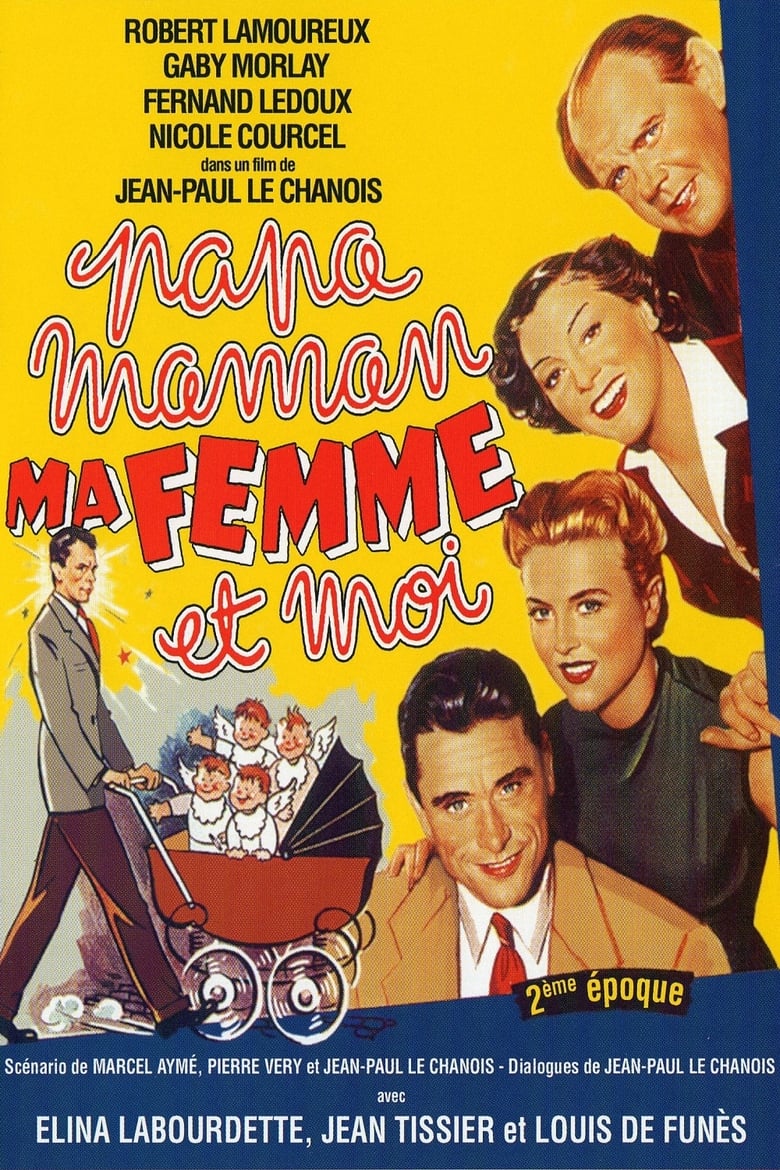
1955
Director
Jean-Paul Le Chanois
Runtime
105 minutes
Average Rating
No ratings yetSynopsis
Robert Langlois is now married to Catherine, the former housemaid. And they would live happily ever after if the housing crisis did not force them to live together with Gabrielle and Fernand, Robert's parents. For, despite the good will on either side, tension soon arises. What else to expect when there is too little space in their Montmartre apartment for four people (then for six then eight, the couple having... two pairs of twins!) ; the continued presence there of Fernand (who loves peace and quiet) after he is driven to retirement ; the difficult beginnings of Robert as a lawyer in a room of the apartment, etc... Other troubles follow and the harried family is on the verge of implosion...
Overall Score
Limited
Category Breakdown
LGBTQ+ Representation
The film follows a traditional heteronormative framework centered on marriage and nuclear family expansion. There is no evidence of non-cisnormative identities or critiques of heteronormativity.
Gender Representation
Roles adhere to mid-century social expectations, focusing on the wife's place in the household and the husband's professional struggles. The narrative explores gendered domestic roles through Catherine's transition from housemaid to wife.
Racial & Ethnic Diversity
The cast appears to reflect a homogeneous French demographic within the Montmartre setting. There is no indication of racial blending or diverse ethnic identities within the primary family unit.
Religious & Cultural Diversity
The film critiques Western socio-economic structures by showing how the housing crisis stresses the family unit. It remains rooted in a conventional Western social fabric.
Disability Representation
There is no specific evidence regarding the depiction of physical or neurodivergent disabilities.
Strengths
Areas for Improvement
AI Analysis
This 1955 comedy functions as a period-specific social study rather than a work of identity politics. It uses the friction of an overcrowded Montmartre apartment to deconstruct the myth of the perfect, stable nuclear family. The film's value lies in its realistic portrayal of how economic instability and urban density erode domestic peace. While it lacks modern intersectional representation, it offers a nuanced look at systemic pressures on the working class. Ultimately, the film reflects the social constraints of mid-century France, prioritizing the preservation of the family while exposing its inherent vulnerabilities to capitalism and housing shortages.
1954

1949

1951

1988

1983

2020

2007

2021

1958

1970

1959

1999
No reviews yet. Be the first to share your thoughts on this movie!
Use the rating form above to leave a star rating and optional review.