Noël au balcon
1997
No user ratings available yet
Representation score: 1.9 out of 10
Representation Score
Limited
1968
Director
Krešimir Golik
Runtime
93 minutes
Average Rating
No ratings yetNew Showbiz Analysis
Krešimir Golik’s film offers a detailed exploration of the breakdown of traditional family units. By focusing on the conflicts within blended households, the story moves away from idealized family structures to depict real human interactions. Though the film does not feature diverse identities, it effectively portrays the complexities of changing social roles. It captures a specific historical and geographic context through its rural Yugoslavian setting. Ultimately, the work serves as a localized social study. It challenges the idea of a stable domestic hierarchy, even while adhering to the cultural norms of its time.
Category Breakdown
The film focuses on traditional nuclear families through remarriage without exploring non-straight or non-cisgender identities.
Characters mostly follow traditional gender roles of the era. However, the film highlights women's roles in navigating remarriage and changing household dynamics.
The cast and setting are ethnically uniform, reflecting the specific social landscape of 1968 Yugoslavia.
The film examines the challenges faced by blended families, offering a realistic depiction of rural, working-class life.
There is no indication of physical or cognitive disabilities being portrayed in the film.
Present on Screen
Limited or Absent
Official Synopsis
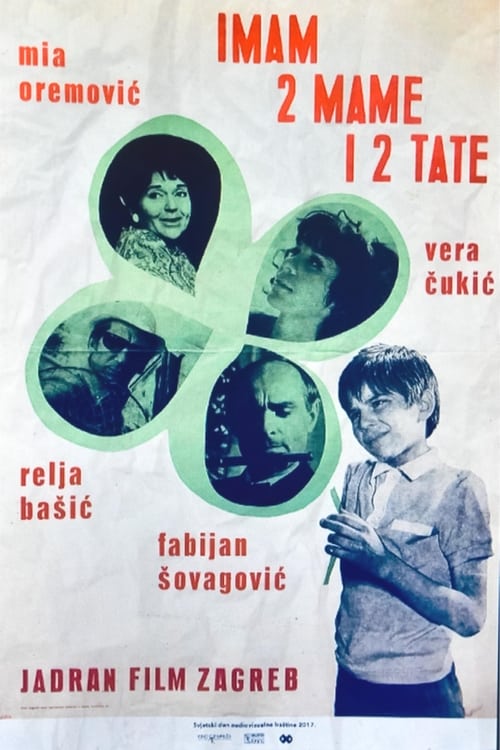
The parents of a two boys remarried after divorce. The older one stayed with his father and his attractive young wife, while the younger one stayed with the mother and her new husband. On Sundays, the two boys visit the other family alternately, and the younger Djuro will soon realize that they have much more in common.
1997
1968

1982

1961

2014

2006
1961
2012
No reviews yet. Be the first to share your thoughts on this movie!
Use the rating form above to leave a star rating and optional review.