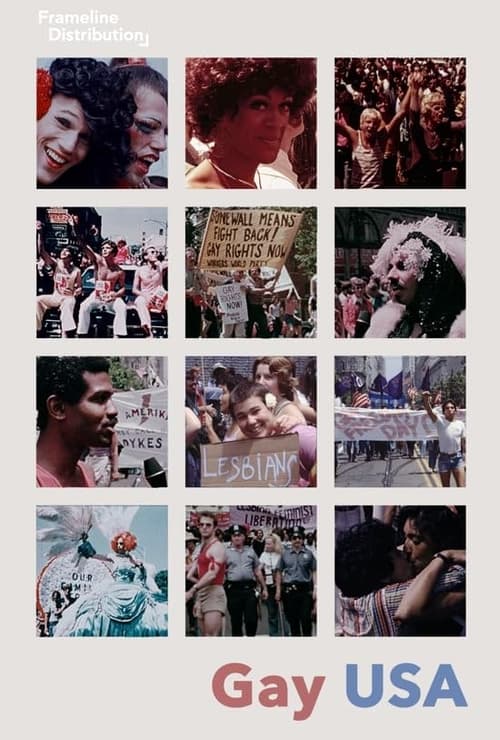
Gay USA
1977
No user ratings available yet
Representation score: 7.1 out of 10
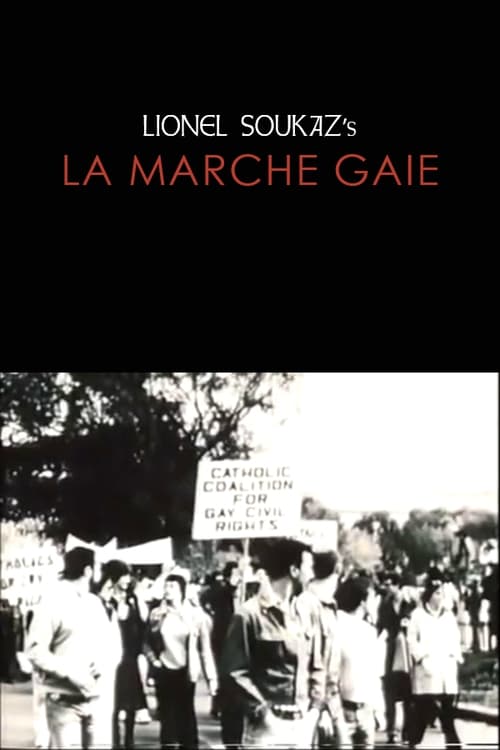
Representation Score
Good
1980
Director
Lionel Soukaz
Runtime
15 minutes
Average Rating
No ratings yetNew Showbiz Analysis
Lionel Soukaz’s documentary is a significant archival work that disrupts conventional historical narratives. By documenting the 1979 March for Lesbian and Gay Rights, the film centers the ability to act of the LGBTQ+ community during a transformative period of American civil rights history. The film’s strength lies in its role as a primary record of identity politics and social reform. It moves away from clichéd storytelling to provide a platform for underrepresented voices to exist as central subjects. While the film excels in queer visibility and cultural critique, the specific visual depth regarding racial and disability representation remains unconfirmed. Its value is rooted in its documentation of the deconstruction of traditional social norms.
Category Breakdown
The film serves as a vital historical record of the 1979 March for Lesbian and Gay Rights. It prioritizes the ability to act of the LGBTQ+ community by centering non-straight identities as the main subjects.
The documentary captures the intersection of feminist and gay rights movements during a pivotal era. It showcases individuals reclaiming public space and leadership roles outside of traditional patriarchal structures.
The film potentially documents the multi-layered nature of the movement through diverse coalitions. However, the specific degree of racial representation depends on the footage captured during the Washington D.C. march.
The narrative functions as a critique of traditional social and political institutions. It focuses on collective activism and the challenge to established Western power structures.
There is no explicit evidence regarding the portrayal of disability in the available documentation. A score cannot be accurately assigned without further visual verification.
Present on Screen
Limited or Absent
Official Synopsis
A short documentary about the October 14 1979 March For Lesbian And Gay Rights in Washington D.C.
1977
1984
1993

2017
1979
1996

1971
2019
No reviews yet. Be the first to share your thoughts on this movie!
Use the rating form above to leave a star rating and optional review.