La marche gaie
1980
No user ratings available yet
Representation score: 7.0 out of 10
Representation Score
Good
1971
Director
Carole Roussopoulos
Runtime
27 minutes
Average Rating
No ratings yetNew Showbiz Analysis
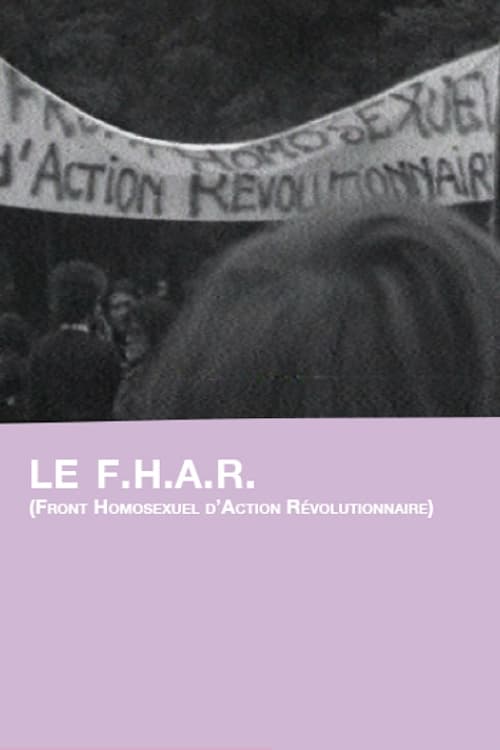
Le F.H.A.R. is a seminal piece of documentary realism that functions as a vital archive of early multi-layered resistance. It avoids passive observation, instead using the camera as a tool to validate the real-life experiences of underrepresented identities during a period of intense social upheaval. The film's strength lies in its intentionality, centering a movement that actively critiques the assumption that everyone is straight or cisgender and traditional gender roles. It captures a historical moment where subjects refused to remain hidden, demanding systemic shifts in identity politics. While the film excels in queer and cultural representation, the specific demographic breadth regarding racial diversity is not explicitly detailed. It remains a powerful document of radicalized, secular social disruption.
Category Breakdown
The film focuses on the Front Homosexuel d'Action Révolutionnaire, offering a platform for queer political self-determination. It goes beyond simple visibility to document a collective movement advocating for a revolution of desire.
By connecting sexual liberation with feminist struggle, the film challenges traditional patriarchal hierarchies. The discussion highlights a shift towards radical, non-traditional social structures and communal living.
The film's emphasis on breaking prejudice suggests an inclusive framework. However, specific details about the racial diversity of the Vincennes intellectual circle remain unconfirmed.
The narrative promotes a secular, radicalized view of social organization. It critiques traditional Western institutions and religious constraints as barriers to authentic human expression.
There is no explicit evidence within the film's documentation regarding the depiction of physical or neurodivergent disabilities.
Present on Screen
Limited or Absent
Official Synopsis
Demonstration by FHAR, the Homosexual Revolutionary Action Front, the 1st of May 1971. People discuss at the University of Vincennes and show a common determination to break prejudice and open minds. They refuse to hide anymore, and talk about this revolution of desire.
1980
1984
1979
1965
1977
1996

1979
2002
No reviews yet. Be the first to share your thoughts on this movie!
Use the rating form above to leave a star rating and optional review.