La marche gaie
1980
No user ratings available yet
Representation score: 7.0 out of 10
Representation Score
Good
1993
Director
Paris Poirier
Runtime
77 minutes
Average Rating
No ratings yetNew Showbiz Analysis
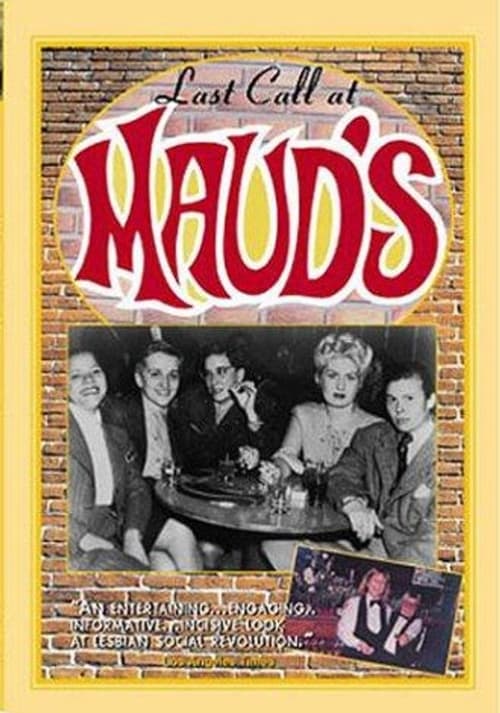
Paris Poirier’s documentary preserves the history of a defunct lesbian institution from 1966 to 1989. It challenges the historical erasure of queer spaces and provides a necessary counter-narrative to the dominant social structures. The film centers on the ability to act and community-building capabilities of women and queer individuals, offering a sophisticated critique of the systemic pressures that cause such autonomous spaces to disappear. However, it lacks specific detail regarding racial diversity and disability representation.
Category Breakdown
The film focuses on preserving the history of lesbian social spaces from 1966 to 1989. It highlights the importance of these non-traditional social structures for queer communities.
The narrative emphasizes the role and community-building capabilities of women and those who identify as queer. It disrupts traditional hierarchies by focusing on the ability to act of these individuals.
The film focuses on a specific identity-based community rather than a broad multi-ethnic survey. While it likely touches on the way different parts of someone's identity overlap, specific racial composition is not explicitly detailed.
The documentary highlights a community that exists outside of mainstream family and religious structures. It presents queer survival as a counter-narrative to the dominant cultural status quo.
There is no specific evidence to suggest that disability or neurodivergence serves as a central thematic pillar of this documentary.
Present on Screen
Limited or Absent
Official Synopsis
A history of Maud's, a San Francisco lesbian bar that stayed open from 1966 to 1989.
1980

2019

2017

2017

2018
1984

1995
1996
No reviews yet. Be the first to share your thoughts on this movie!
Use the rating form above to leave a star rating and optional review.