
Once and Forever
2015
No user ratings available yet
Representation score: 5.1 out of 10
Representation Score
Fair
2013
Director
Karl Lagerfeld
Runtime
18 minutes
Average Rating
No ratings yetNew Showbiz Analysis
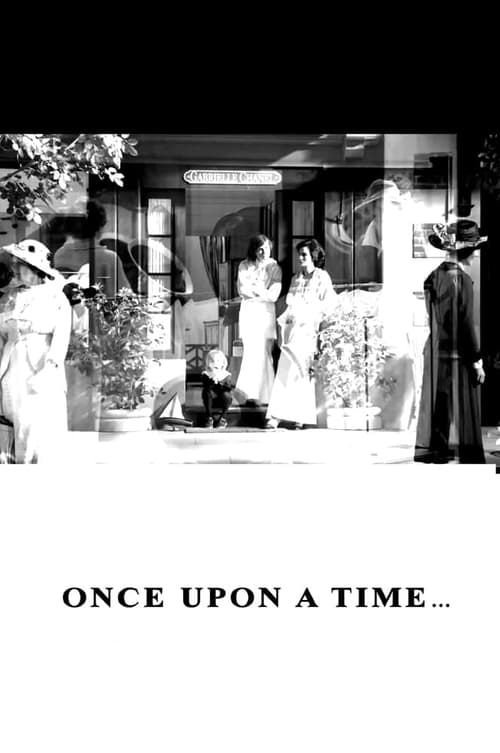
Once Upon a Time... (2013) functions as a historical drama centered on the early years of Coco Chanel. The narrative focuses on the intersection of entrepreneurship and the disruption of traditional social hierarchies in 1913 France. The film succeeds in portraying women's ability to drive the story and the subversion of class-based structures. However, the historical and geographic setting limits the scope of racial and multi-layered diversity. Ultimately, the work provides a meaningful look at professional autonomy for women while remaining rooted in a specific, Eurocentric historical context.
Category Breakdown
The film does not explicitly depict non-straight relationships. While Chanel's life involved complex interpersonal dynamics, there is no clear indication of queer identity.
The story centers on a female protagonist asserting economic independence in a male-dominated era. It highlights professional autonomy and challenges traditional domestic roles.
The 1913 Deauville setting suggests a homogeneous demographic. The narrative likely features a Eurocentric cast, which may limit the representation of different racial backgrounds.
The film explores the tension between Western social institutions and modernism. It critiques rigid class structures through the lens of a woman breaking societal norms.
There is no evidence of characters with visible or invisible disabilities within the narrative.
Present on Screen
Limited or Absent
Official Synopsis
In 1913, designer Coco Chanel opens her first boutique in the French city of Deauville.
2015
2008
2022

2021
1981
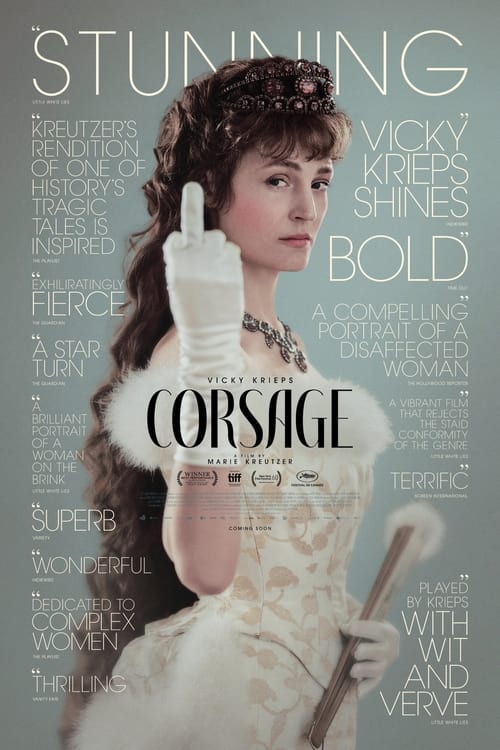
2022

1976

2014
No reviews yet. Be the first to share your thoughts on this movie!
Use the rating form above to leave a star rating and optional review.