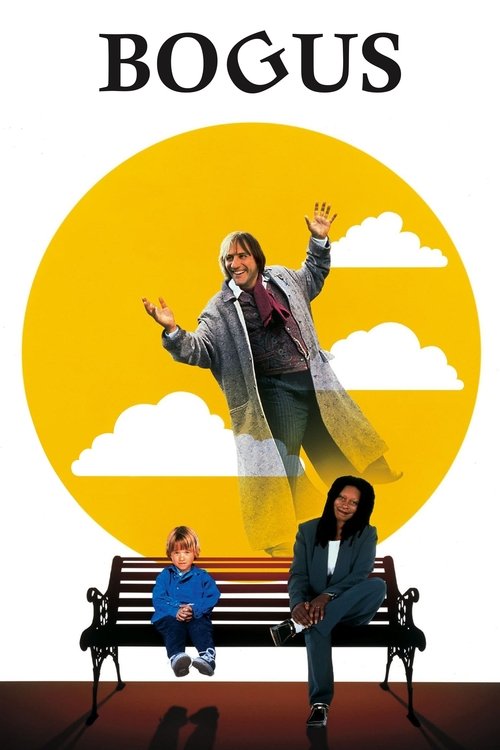
Bogus
1996
No user ratings available yet
Representation score: 4.8 out of 10

Representation Score
Limited
1992
Director
Michael Schultz
Runtime
120 minutes
Average Rating
No ratings yetNew Showbiz Analysis
Day-O functions as a character-driven domestic drama that prioritizes psychological interiority over systemic critique. By centering on Grace's emotional journey, the film offers a female-led perspective on memory and childhood coping mechanisms. However, the narrative appears rooted in conventional familial clichés, focusing on a traditional nuclear family structure. While the director's history suggests a capacity for navigating complex social dynamics, the film's specific engagement with multi-layered identities is not explicitly present in the narrative arc.
Category Breakdown
The film does not include any characters or identities related to LGBTQ+ or non-cisgender experiences. The story focuses on a child and her imaginary companion within a family setting.
Grace provides a woman-centric perspective on emotional development and memory. However, the story follows a traditional domestic framework centered on a nuclear family structure.
The narrative does not specify the racial or ethnic identities of Grace, her parents, or the infant. Consequently, the cast's composition remains unspecified.
The film explores psychological coping mechanisms and familial displacement. It prioritizes subjective emotional truth over idealized depictions of the nuclear family.
The use of an imaginary friend offers a potential lens into neurodivergence or psychological coping. The film's impact depends on whether it treats this internal world as valid.
Present on Screen
Limited or Absent
Official Synopsis
A five-year-old named Grace creates an imaginary friend, because her parents only pay attention to the new baby, Tony. Now at 35, his sole friend reappears to help her.
1996
1992

2021

1985

2008
1999

1985
1991
No reviews yet. Be the first to share your thoughts on this movie!
Use the rating form above to leave a star rating and optional review.