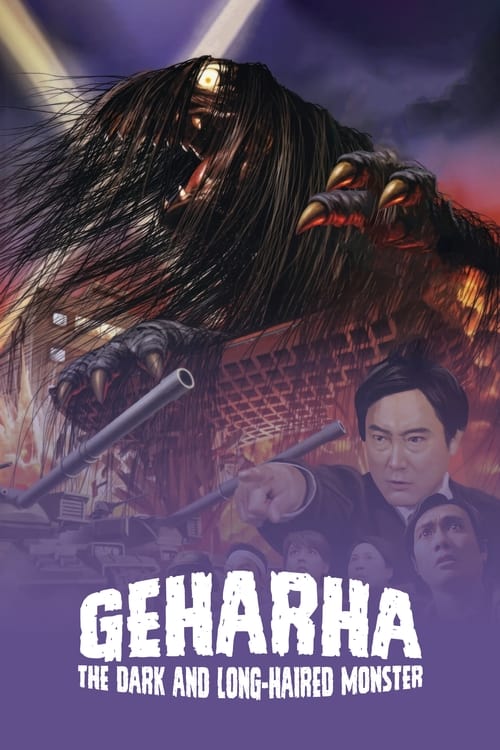
Geharha: The Dark and Long-Haired Monster
2009
No user ratings available yet
Representation score: 2.8 out of 10
Representation Score
Fair
2010
Not RatedDirector
Tomoo Haraguchi
Runtime
79 minutes
Average Rating
No ratings yetNew Showbiz Analysis
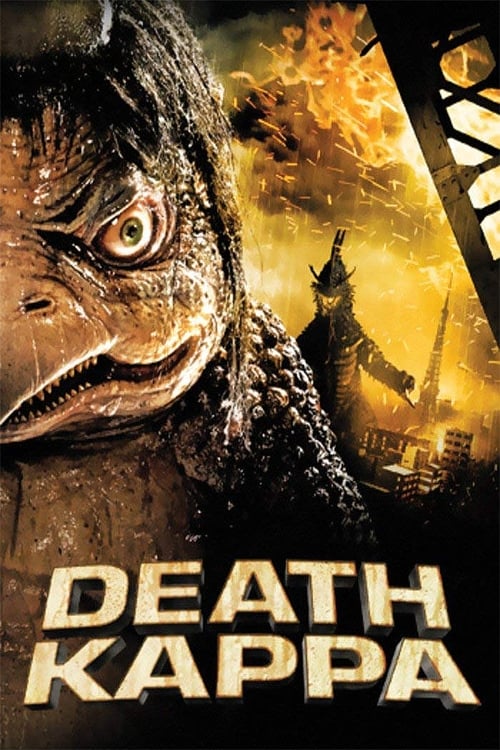
Death Kappa serves as a genre-driven spectacle. It successfully challenges the 'technological savior' cliché by highlighting Japanese folklore as the main force of change against a nuclear threat. However, the film lacks diverse representation. The narrative depends on traditional moral binaries and genre clichés that favor masculine roles and military strength over individual identity.
Category Breakdown
The film does not explicitly mention LGBTQ+ characters or non-cisgender identities. The narrative focuses on folkloric creatures and military events.
Control and power are linked to military and monstrous strength, reinforcing traditional masculine roles. There is no indication of gendered power dynamics or challenges to hierarchical structures.
The film centers non-Western mythology by featuring a Kappa as a savior. This shifts the focus away from the typical 'Western hero' cliché by placing indigenous folklore against a Western military threat.
The story emphasizes local mythological explanations over scientific ones. However, the 'good vs. evil' framing suggests a traditional moral dichotomy rather than a nuanced critique.
There is no depiction of physical or cognitive disabilities within the narrative.
Present on Screen
Limited or Absent
Official Synopsis
When military experiments go haywire and trigger an atomic bomb, the consequences are of epic proportions. A monster arrives in the midst of the nuclear fallout, and Japan's defenses are helpless against it. Mankind's only savior is an irradiated water goblin from Japanese folklore called the "Death Kappa." The two rival monsters must go head-to-head in the ultimate battle between good and evil!
2009
1996
2010
2003
2001
2006
1995
2012
No reviews yet. Be the first to share your thoughts on this movie!
Use the rating form above to leave a star rating and optional review.