
RoboGeisha
2009
No user ratings available yet
Representation score: 4.5 out of 10

Representation Score
Fair
2012
Not RatedDirector
Noboru Iguchi
Runtime
91 minutes
Average Rating
No ratings yetNew Showbiz Analysis
Dead Sushi is a niche genre exercise in absurdity that prioritizes surrealist body horror and practical creature effects over narrative depth. The film functions as a sensory exploration of grotesque transformation rather than a vehicle for social commentary. Because the focus remains on slapstick horror and kinetic spectacle, character development is minimal. This narrow scope leaves little room for complex, multi-layered, or progressive character arcs. Ultimately, the film does not seek to challenge social hierarchies, opting instead to dismantle traditional cinematic logic through sheer surrealism.
Category Breakdown
The film lacks any clear LGBTQ+ narratives or non-straight character arcs. Characters are primarily used for kinetic, visceral spectacle rather than representing queer identity.
Gender dynamics are overshadowed by creature design and physical comedy. Female characters often serve as archetypal victims or secondary participants without much influence over their own stories.
Set in a Japanese culinary context, the film features a predominantly East Asian cast. However, the narrative does not explore multi-layered identities or diverse backgrounds.
The film depicts a breakdown of social order through episodic, absurdist chaos. It lacks sophisticated ideological framing or a deliberate critique of religion or the state.
There is no intentional representation of neurodivergence or physical disability. The body horror focus risks using physical alteration as a source of shock.
Present on Screen
Limited or Absent
Official Synopsis
A disgruntled researcher injects his former employers' meal with a serum that turns their sushi into flesh-eating monsters.
2009

1987
1993

2022

2014

2010

2006
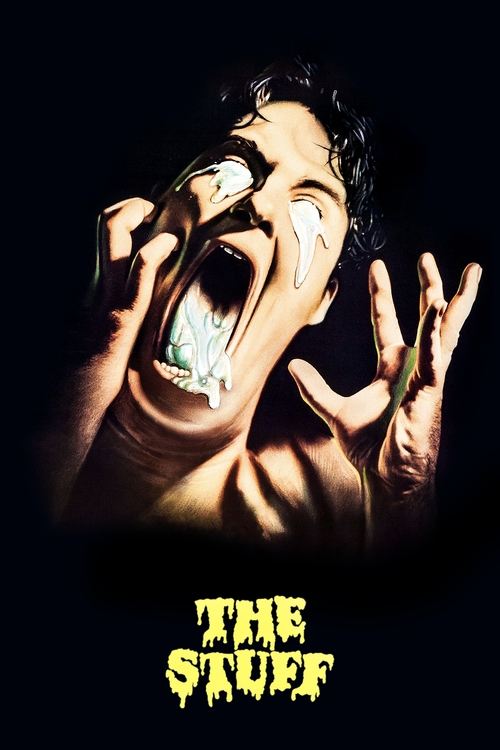
1985
No reviews yet. Be the first to share your thoughts on this movie!
Use the rating form above to leave a star rating and optional review.