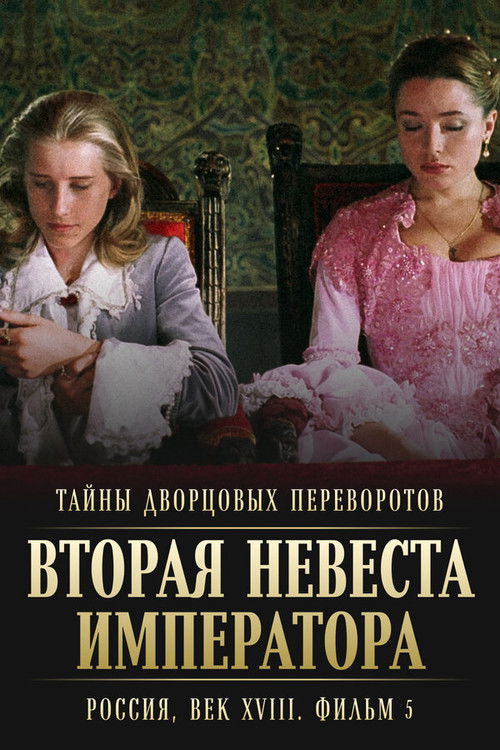
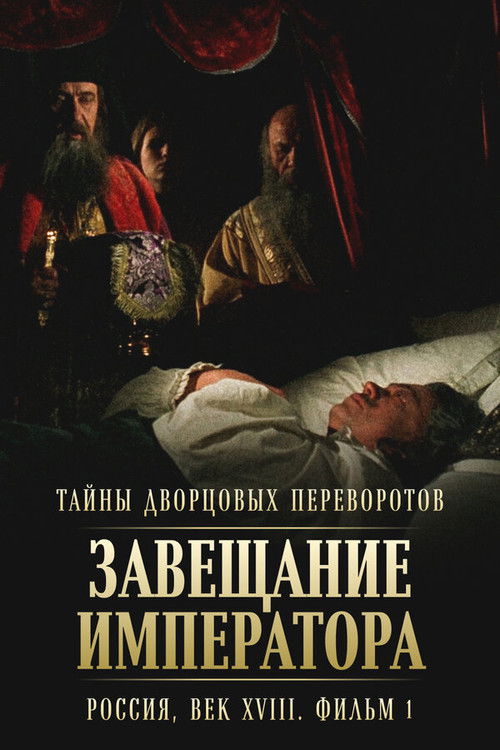
Secrets of Palace coup d'etat. Russia, 18th century. Film №5. Second Bride of the Emperor
2003
No user ratings available yet
Representation score: 3.5 out of 10
Representation Score
Minimal
2000
Director
Svetlana Druzhinina
Runtime
80 minutes
Average Rating
No ratings yetNew Showbiz Analysis
The film functions as a traditional historical epic centered on preserving and contesting imperial power. Its narrative structure upholds established monarchical hierarchies without challenging them through diverse perspectives. Given its setting in the 18th-century Russian court, the film adheres to the socio-cultural constraints of that time, focusing on homogeneous aristocratic structures and traditional patriarchal succession. Ultimately, the work serves as a study of historical statecraft. It lacks the intentionality needed to integrate diverse identities or provide progressive social commentary within its period setting.
Category Breakdown
The film focuses on the succession crisis after Peter the Great's death. There is no depiction of non-straight identities or same-sex relationships in the plot.
The movie centers on the patriarchal struggle for succession and masculine political dominance. Although women held power historically, the story emphasizes the emperor's fight for the throne.
Set in the Russian Empire, the film reflects the homogeneous demographics of the imperial court. The cast prioritizes historical accuracy regarding the Slavic nobility.
The story explores the instability of state institutions through a classic historical tragedy. It focuses on traditional power dynamics without critiquing imperialist or Western-centric structures.
There is no mention of characters with visible or invisible disabilities. Disability does not play a role in the narrative or as a plot device.
Present on Screen
Limited or Absent
Official Synopsis
Russia, January 25, 1725. "Give it all...". The emperor's weakening hand was able to write in his will only these two short incomprehensible words that kept Russia in a bloody struggle for the crown for a century.
2003

1958
2007

2020
1981
2003
2000
1908
No reviews yet. Be the first to share your thoughts on this movie!
Use the rating form above to leave a star rating and optional review.