
Rurouni Kenshin Part III: The Legend Ends
2014
No user ratings available yet
Representation score: 5.3 out of 10
Representation Score
Fair
1990
Director
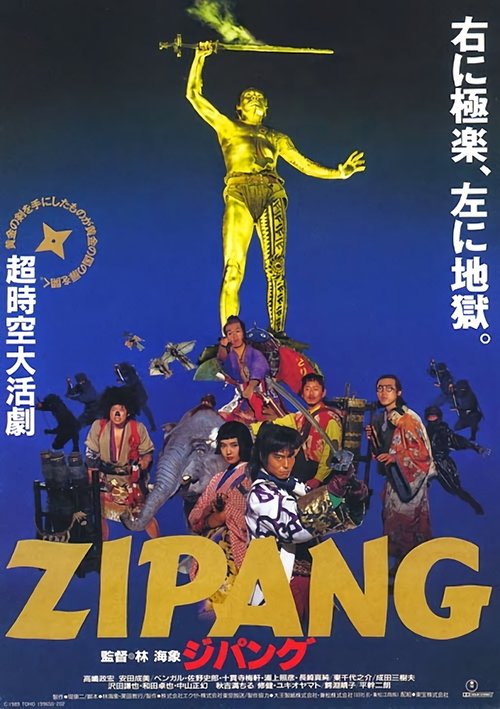
Kaizo Hayashi
Runtime
119 minutes
Average Rating
No ratings yetNew Showbiz Analysis
The film's primary strength lies in its subversion of traditional gender roles. By centering a female character with high tactical skills, it moves away from purely patriarchal power structures. However, the work remains anchored in traditional romantic clichés and genre-specific archetypes. The lack of explicit LGBTQ+ representation or diverse casting data limits its overall progressive impact. Ultimately, the film functions as a stylized adventure that uses mythic landscapes to explore individualistic pursuits rather than broad systemic diversity.
Category Breakdown
The film does not include any LGBTQ+ characters or dynamics that go beyond traditional heterosexual relationships. The main romance follows a conventional path between the protagonist and the female bounty hunter.
Teppo Oyuri challenges traditional gender roles as a highly skilled fighter. She plays a significant role in driving the story with her lethal capabilities, avoiding the 'damsel in distress' cliché.
The samurai fantasy setting adheres to a specific cultural aesthetic. While the 'Land of Gold' suggests mythical places, the ethnic diversity of the cast remains unspecified.
The narrative focuses on personal ability to act and survival, moving away from traditional social orders. The quest for a magical sword introduces themes of moral relativism and individual desire.
There are no characters with visible or invisible disabilities mentioned in the provided narrative details.
Present on Screen
Limited or Absent
Official Synopsis
A samurai outlaw on the run with his motley clan falls for the bounty hunter who's trailing him to the untold riches of a mythical city of gold.
2014

1974

1983

1981

1988

2009
1980

2010
No reviews yet. Be the first to share your thoughts on this movie!
Use the rating form above to leave a star rating and optional review.