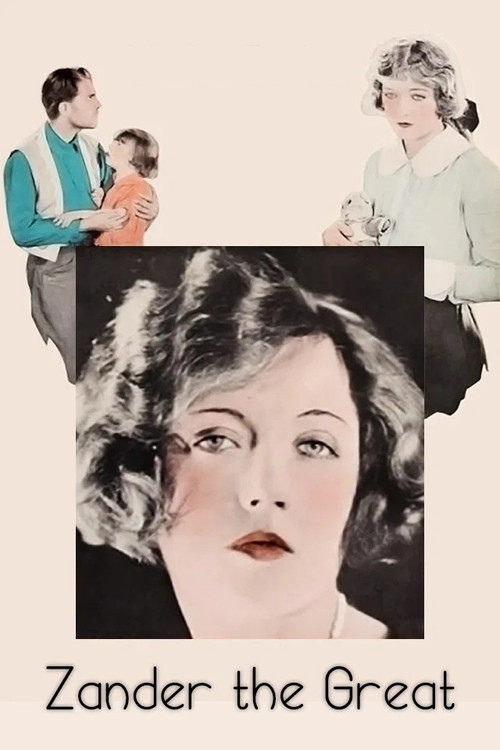
Zander the Great
1925
No user ratings available yet
Representation score: 0.9 out of 10
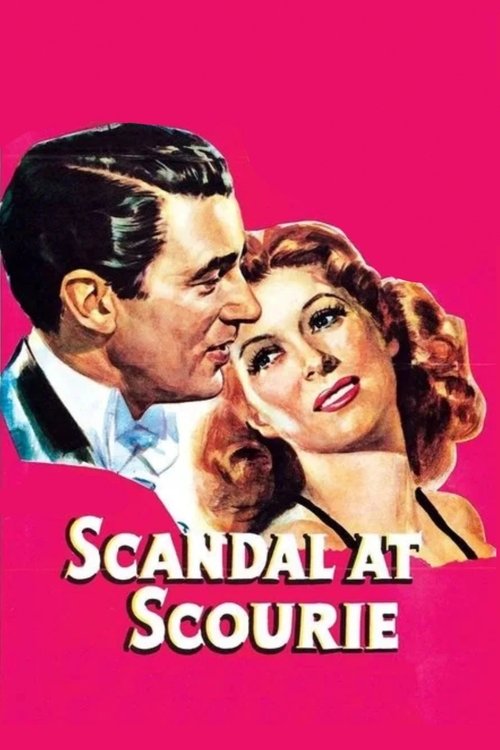
Representation Score
Limited
1953
ApprovedDirector
Jean Negulesco
Runtime
90 minutes
Average Rating
No ratings yetNew Showbiz Analysis
Scandal at Scourie is a conventional mid-century domestic drama that prioritizes the reinforcement of established social and religious hierarchies. The narrative focuses on a standard adoption arc, centering on family stability and traditional Western values. The film lacks diversity in terms of race, sexual orientation, and disability, reflecting a narrow demographic scope typical of its era. While Victoria McChesney demonstrates personal ability to act through her maternal decisions, the film remains firmly rooted in the social norms of the 1950s.
Category Breakdown
The film follows a traditional framework where everyone is assumed to be straight and cisgender. The central relationship is a conventional marriage between Patrick and Victoria McChesney, with no non-binary or LGBTQ+ identities present.
Victoria McChesney takes control through her proactive decision to adopt Patsy. However, her power is centered on maternal instincts and domestic duties rather than challenging the gender norms of the 1950s.
The cast and setting reflect the demographic homogeneity common in 1950s North American cinema. There is no indication of diverse ethnic backgrounds or non-white representation.
The story explores the negotiation between Roman Catholicism and Protestantism. It treats religious identity as a transactional condition for adoption rather than a critical examination of these institutions.
There are no visible or invisible disabilities portrayed. The conflict focuses on interpersonal bullying and social reputation rather than physical or neurodivergent impairments.
Present on Screen
Limited or Absent
Official Synopsis
After their orphanage burns down, a group of children are being transported west by train to Manitoba. All of them are available for adoption and at a stop at Scourie, Ontario little Patsy meets Victoria McChesney. Victoria and her husband Patrick have no children and she immediately decides to adopt the girl. The only condition imposed on them is that as Patsy has been baptized a Roman Catholic the Protestant McChesneys agree to raise her as a Catholic. Patsy is a well-behaved little girl whose only real problem is a school bully, also one of the orphans, who spreads stories that she set their orphanage on fire.
1925
2002
1941
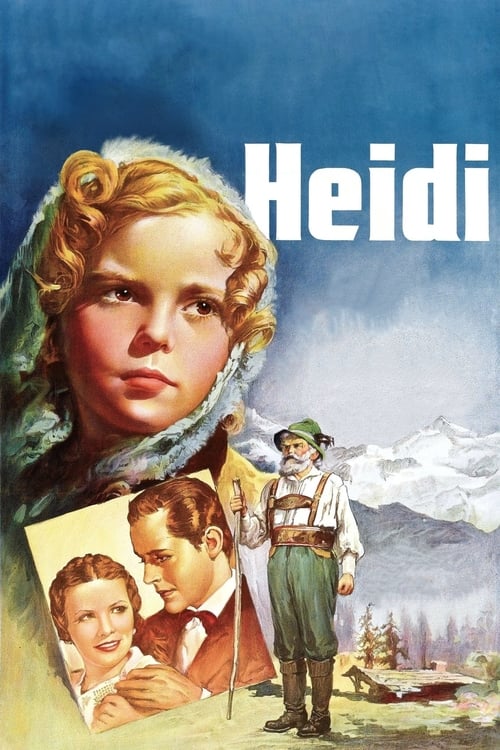
1937
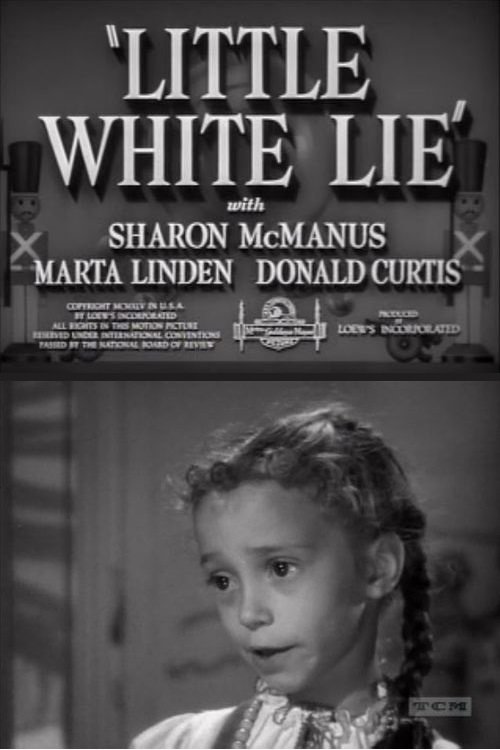
1945
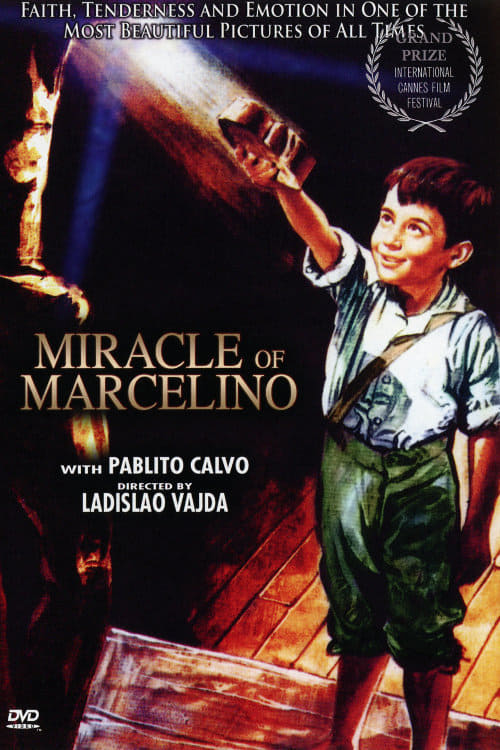
1955
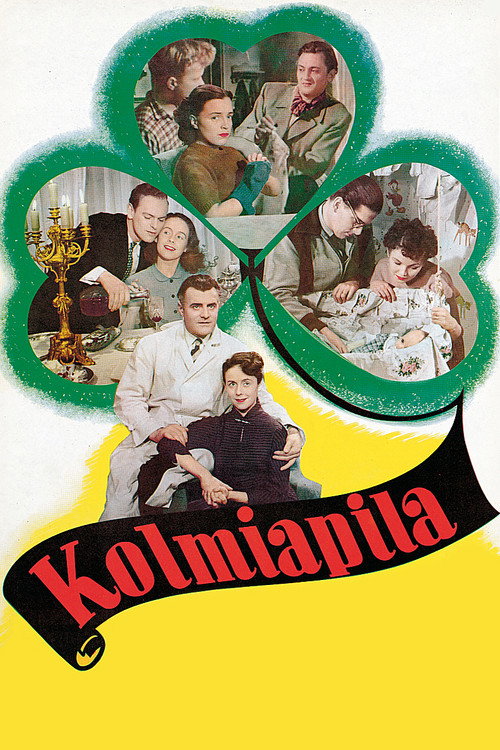
1953

2012
No reviews yet. Be the first to share your thoughts on this movie!
Use the rating form above to leave a star rating and optional review.