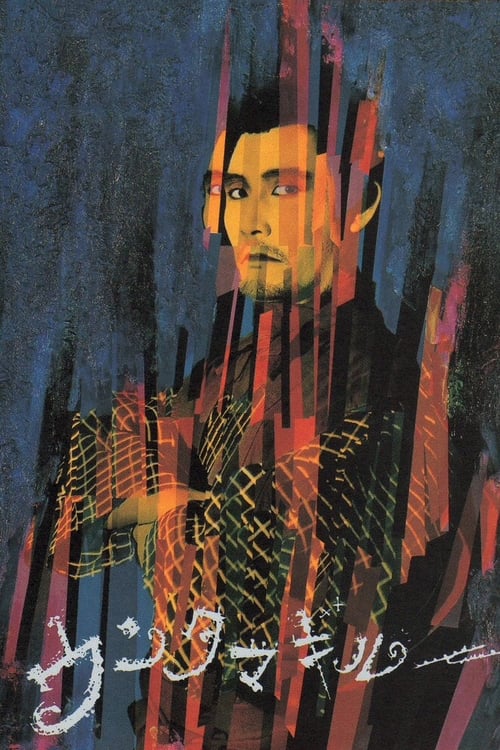
Untamagiru
1989
No user ratings available yet
Representation score: 4.3 out of 10
Representation Score
Fair
1963
Director
Tai Katō
Runtime
100 minutes
Average Rating
No ratings yetNew Showbiz Analysis
Tai Katō’s film serves as a transitional piece of the Japanese New Wave, using innovative styles to critique social conformity. It emphasizes the viewpoint of the 'outsider' while lacking modern multi-layered markers. The work finds its strength in the tension between established society and transient performers. Although it does not address contemporary gender and LGBTQ+ identities, it provides a nuanced exploration of class-based identity and social non-conformity. Ultimately, the film adheres to the traditional casting and gender norms of its time, even as it celebrates the disruptive nature of those living on the fringes.
Category Breakdown
The film does not include any identifiable LGBTQ+ characters or narratives. The story focuses more on the communal activities of the traveling troupe rather than individual identity issues.
Gender roles in the film follow traditional hierarchies typical of the 17th-century setting. Women play minor roles in driving the main plot and there is little challenge to patriarchal authority.
The cast is ethnically uniform, reflecting the historical Edo period. However, the film delves into internal diversity through the economic tensions between rural farmers and traveling performers.
The story centers on traveling performers who operate on the edges of societal norms. It examines the tension between institutional stability and the disruptive influence of artistic expression.
The film does not feature any characters with visible or invisible disabilities. The narrative focuses on magical elements and the social dynamics within the troupe.
Present on Screen
Limited or Absent
Official Synopsis
Osaka in the early 1600s, aftermath of the historical Battle of Sekigahara; a group of orphan children are wandering through the battlefield scavenging for armour when they encounter a young boy named Sasuke with magical powers he says came from a meteor that crashed onto the Earth…
1989

1974
1966
1968
1966
1936
1966
2008
No reviews yet. Be the first to share your thoughts on this movie!
Use the rating form above to leave a star rating and optional review.