The Magic Serpent
1966
No user ratings available yet
Representation score: 3.3 out of 10
Representation Score
Minimal
1966
Director
Sadao Funatoko
Runtime
86 minutes
Average Rating
No ratings yetNew Showbiz Analysis
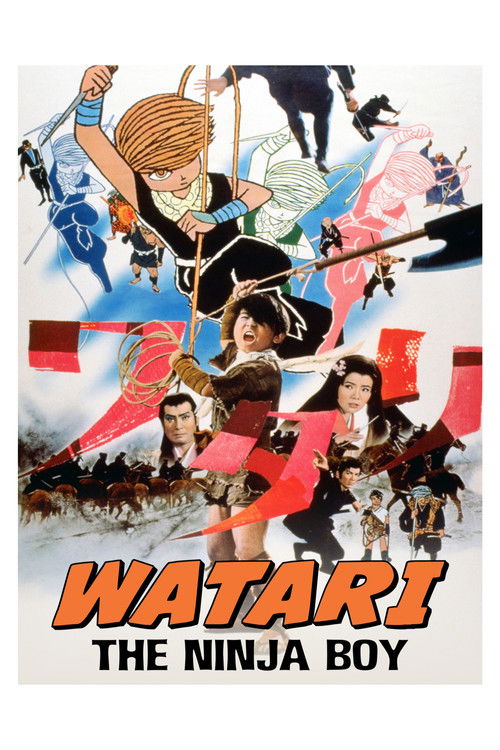
Watari, the Ninja Boy is a traditional jidaigeki that prioritizes martial arts lore and the hero's journey over social deconstruction. The story follows a young boy navigating the rigid hierarchies of feudal Japan to avenge injustice within the Iga clan. The film operates strictly within the cultural and cinematic conventions of its 1966 era. It reinforces established social structures, focusing on clan loyalty and gendered roles rather than challenging them. While the film offers a culturally specific look at ninja history, it lacks the variety of perspectives or the intentionality required to disrupt conventional social expectations.
Category Breakdown
The film adheres to the social and cinematic norms of 1960s Japanese production. There is no evidence of gender identities that don't match what someone was assigned at birth or narratives that challenge the assumption that everyone is straight.
The story centers around a young male protagonist and the martial skills of the Iga clan. Female characters appear as supporting figures within a male-dominated structure.
Set in feudal Japan, the cast is ethnically uniform. It functions as a culturally specific piece rather than a multi-ethnic narrative.
The film explores the tension between personal morality and the corruption within the clan. It frames justice as a personal quest for honor rather than a critique of institutional power.
There are no prominent depictions of visible or invisible disabilities. Characters are portrayed through the lens of physical capability required for ninja combat.
Present on Screen
Limited or Absent
Official Synopsis
Adapted from Sanpei Shirato's classic manga, a legend unfolds as Watari, a young boy skilled in ninjutsu, takes on the corruption inside the Iga clan and avenges many unjustly killed ninja by the acts of Sandayu Momochi's scheming vice-leader.
1966
2009
1968

1974
1959
1980
1964
1963
No reviews yet. Be the first to share your thoughts on this movie!
Use the rating form above to leave a star rating and optional review.