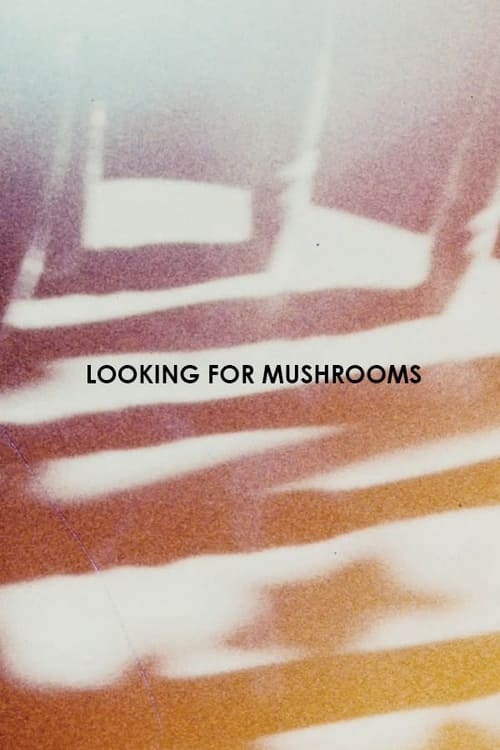
Looking for Mushrooms
1996
No user ratings available yet
Representation score: 5.8 out of 10

Representation Score
Minimal
1967
Director
Bruce Conner
Runtime
3 minutes
Average Rating
No ratings yetNew Showbiz Analysis
Bruce Conner’s work emphasizes aesthetic deconstruction over social representation. Using staccato home-movie footage and montage, the film serves as a sensory experience rather than a narrative about specific identities. The film achieves cultural subversion by embracing 1960s counter-culture and rejecting linear, institutionalized narratives. Its fragmented editing style disrupts traditional media consumption. However, the absence of a traditional cast or narrative structure means the film does not address specific underrepresented groups or interpersonal social dynamics.
Category Breakdown
The film does not include any characters with LGBTQ+ identities or non-cisgender identities. There are no specific depictions of sexual orientations or gender identities.
The film focuses on sensory experiences and does not feature any characters. Therefore, it does not engage with traditional gender roles or hierarchies.
The film showcases the Mexican countryside, providing a non-Anglo-Saxon setting. Local populations are shown through home-movie footage but do not play active roles in the story.
The film explores psychedelic themes and rejects conventional Western storytelling. It seeks truths through altered states of consciousness, moving away from institutionalized frameworks.
The film does not depict any characters with visible or invisible disabilities. The focus remains on environmental textures and rhythmic montage.
Present on Screen
Limited or Absent
Official Synopsis
During his year in Mexico, Conner hosted psychedelic guru Timothy Leary, who he had met on an earlier visit to New York. Conner and Leary occupied themselves with mushroom hunts in the Mexican countryside. It’s not clear whether their hunts were successful. But Conner’s staccato home-movies of their walks – combined with movies of previous mushroom hunts in San Francisco – became his film Looking for Mushrooms. The film rushes through the rustic landscape of rural Mexico, flitting past houses and through a crumbling graveyard. Not to be confused with Conner's re-edited 1996 version of Looking for Mushroom.
1996
1976
1976

2020

1969
1965

2009

1970
No reviews yet. Be the first to share your thoughts on this movie!
Use the rating form above to leave a star rating and optional review.