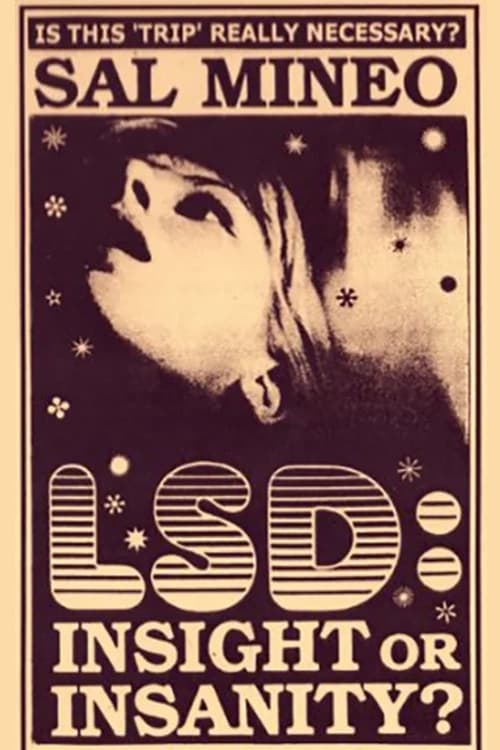
LSD: Insight or Insanity?
1967
No user ratings available yet
Representation score: 6.0 out of 10
Representation Score
Good
1969
Runtime
4 minutes
Average Rating
No ratings yetNew Showbiz Analysis
The film prioritizes internal hallucinogenic perception over external social structures, serving as a cultural artifact of the 1960s counterculture. It successfully challenges institutional authority and mainstream psychological control, promoting a progressive, non-conformist view of subjective morality. However, the film lacks demographic diversity. Representation of race, gender, and LGBTQ+ identities is minimal, reflecting the homogeneous academic environments of the era. The focus remains on neuro-psychological shifts rather than interpersonal or social identities. Ultimately, the work is culturally disruptive but demographically narrow. It trades social diversity for a radical exploration of subjective, non-conformist experience.
Category Breakdown
The film focuses on individual sensory experiences and the mechanics of consciousness. It does not include explicit depictions of non-straight relationships or same-sex intimacy.
Female characters are prominently featured, including a central young girl. However, the film emphasizes psychological vulnerability rather than challenging gender hierarchies or providing women with socio-political power.
The cast reflects the demographic homogeneity typical of 1969 academic and clinical settings. There is no significant racial diversity or non-white majority representation.
The documentary disrupts traditional social conformity by focusing on illegal substance use. It promotes secular mysticism and subjective morality over state-mandated or religious realities.
The film explores altered states of consciousness in ways that mirror neurodivergent sensory processing. The subjects are portrayed as active explorers rather than victims of their perceptions.
Present on Screen
Limited or Absent
Official Synopsis
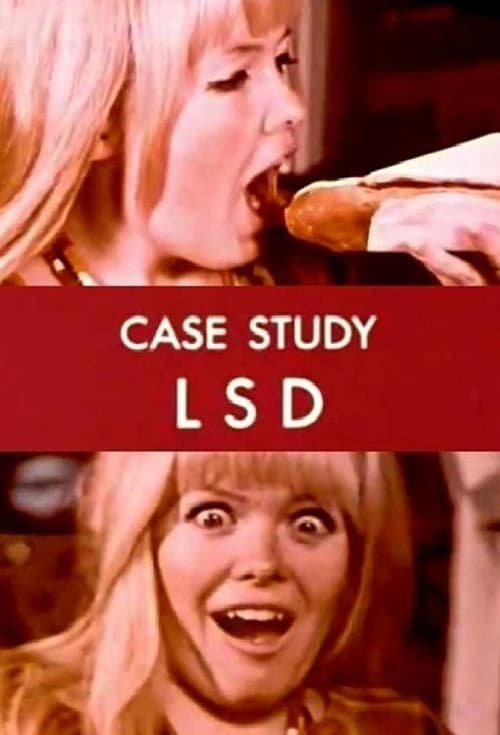
A young girl relates what happened during her first LSD trip, when – among other things – her food began talking to her.
1967
2020
2002
2020
1967
1969

2011
1986
No reviews yet. Be the first to share your thoughts on this movie!
Use the rating form above to leave a star rating and optional review.