
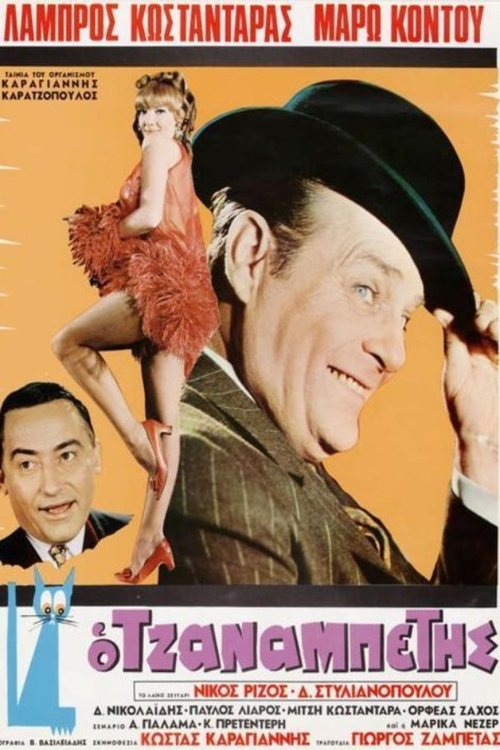
A Leopard Never Changes Its Spots
1973
No user ratings available yet
Representation score: 1.8 out of 10
Representation Score
Minimal
1969
Director
Kostas Karagiannis
Runtime
99 minutes
Average Rating
No ratings yetNew Showbiz Analysis
The Grouch is a conventional comedy that follows the social and cultural norms of 1969 Greece. It focuses on local family conflicts rather than disrupting social hierarchies. While the film features a capable aunt who influences the plot, the overall narrative remains tied to traditional patriarchal roles. The absence of diverse representation confines the film to the demographic boundaries of its time. Ultimately, the film serves as a typical period piece that upholds, rather than questions, the status quo of its era.
Category Breakdown
The film does not include any LGBTQ+ characters or stories. It emphasizes a typical romantic pursuit, upholding traditional relationship norms.
An aunt plays a significant role by driving the plot forward. However, the main conflict revolves around traditional family hierarchies.
The film mirrors the demographic makeup of 1969 Greece, showing no diversity in casting outside the Mediterranean region.
The story centers on traditional family dynamics and internal conflicts, operating within established social norms without challenging them.
No visible or hidden disabilities are shown in the characters.
Present on Screen
Limited or Absent
Official Synopsis
A nephew of three strange uncles loves a girl, but his uncles are against the marriage. A resourceful aunt takes the case and helps the couple.
1973

1978
1957

2009
1962
1967

1966

1968
No reviews yet. Be the first to share your thoughts on this movie!
Use the rating form above to leave a star rating and optional review.